
Winter Hiking
Build on your summer hiking experience with winter layers, boots and crampons, avalanche awareness and guides to choosing your first snowy route.
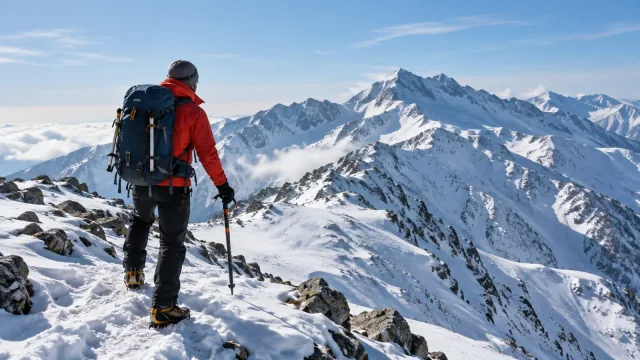
Getting started on snowy mountains in Japan
If you are comfortable on summer trails, your first winter question is often what you can carry over. Some gear and skil…
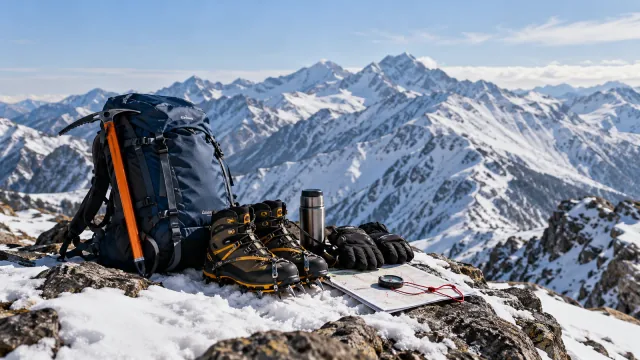
Winter mountain gear checklist for Japan
Before your first snowy hike, work out what your route requires and which equipment you can add as your plans change. St…
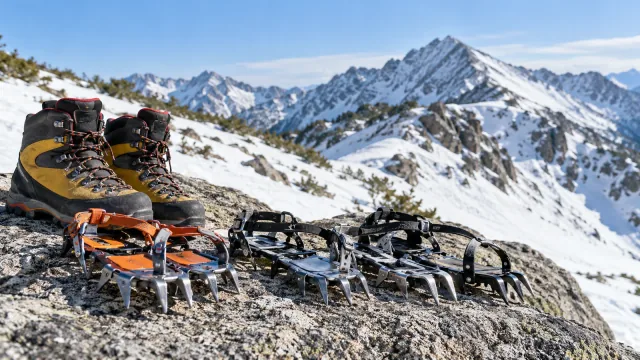
How to choose crampons that fit your boots
When you shop for your first crampons, you will see different numbers and shapes of points and several ways to attach th…
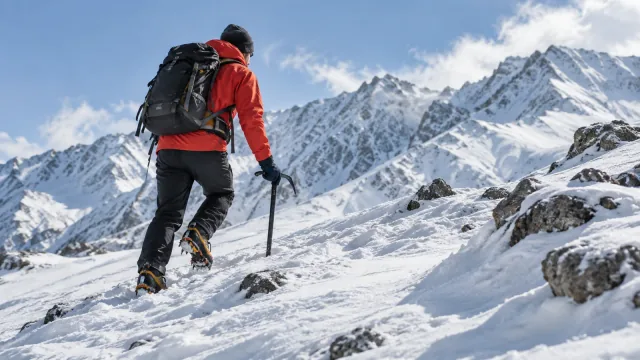
Choosing an ice axe for winter mountain travel
When you shop for a first ice axe, several lengths and shapes may look suitable. Start with how you expect to use it, th…
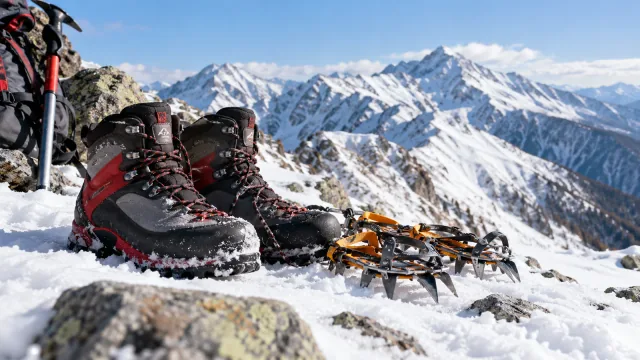
Do you need winter mountaineering boots?
If you are planning your first snowy hike, it is natural to ask whether your three-season boots will do. The answer depe…
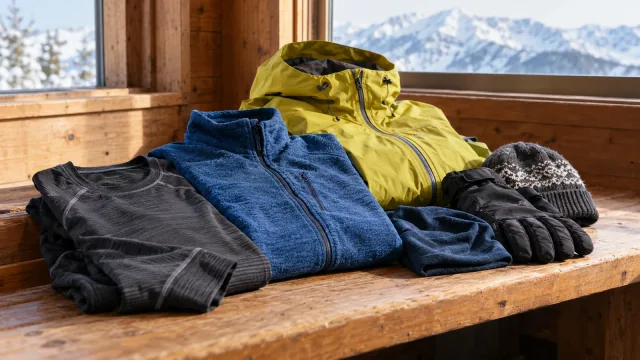
How to layer clothing for snowy mountains
Winter layers need to work during both hard movement and long stops. Climbing in too many layers can soak your base laye…
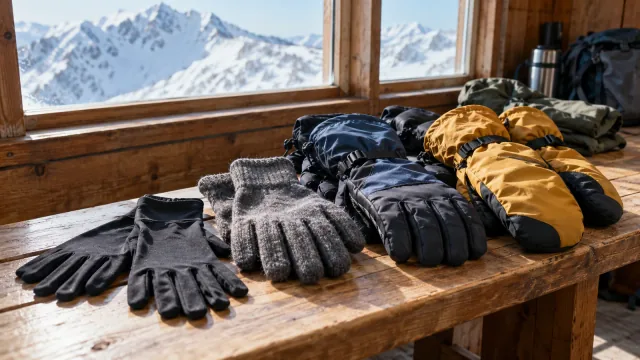
Winter mountain gloves: layers and dry spares
Losing a glove or soaking your only pair can quickly leave your hands exposed in winter. Plan how you will protect your …
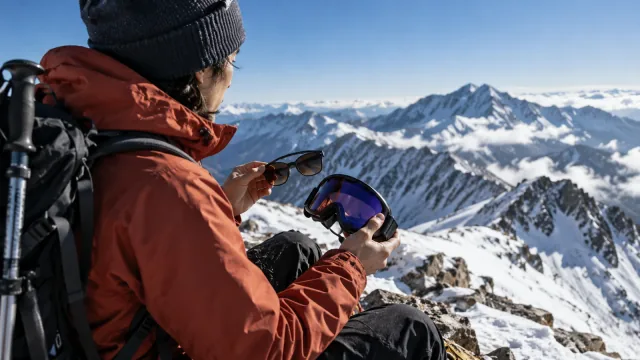
Goggles or sunglasses for snowy mountains?
Sunglasses and goggles can both protect your eyes on snow. The better choice depends on wind, visibility, glare and whet…
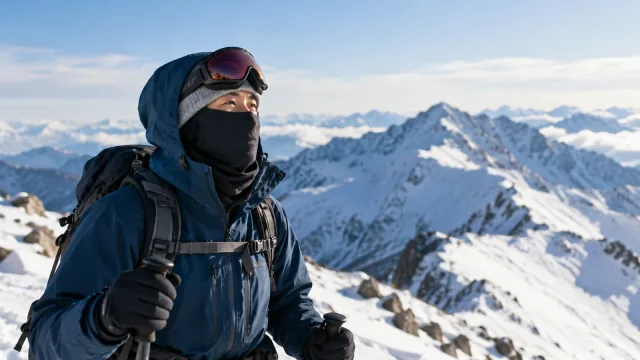
Balaclava or neck gaiter for winter mountains?
In snowy mountains, wind and cold can chill exposed cheeks, ears and nose. A balaclava and a neck gaiter cover different…
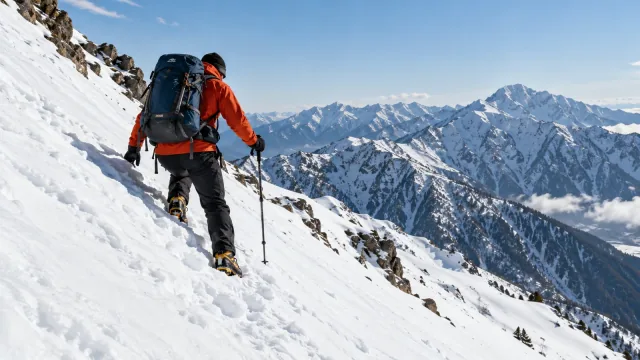
Walking on snow: kicking steps and crossing slopes
When you first walk on snow, your usual stride can slip even on a familiar route. Two skills you may learn in winter tra…
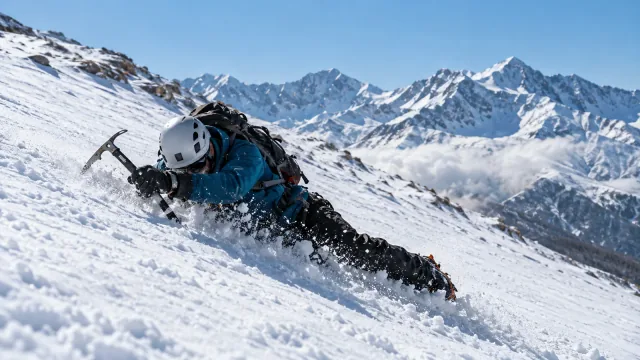
Learning ice axe self-arrest under instruction
Self-arrest is the use of a mountaineering ice axe to try to stop a slide on snow. It can be difficult even after practi…
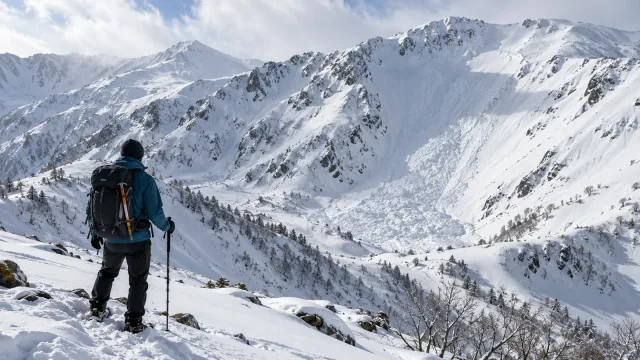
Avalanche basics: terrain and signs of instability
Avalanche danger depends on the terrain, snowpack and weather. Understanding how they interact helps you decide which te…
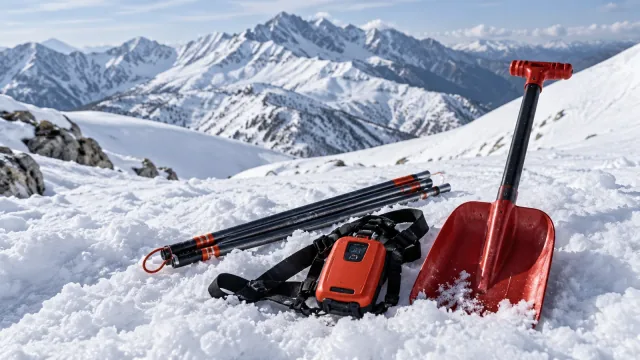
Avalanche rescue gear: transceiver, probe and shovel
A transceiver, probe and shovel help trained companions find and dig out someone buried in an avalanche. Each person ent…
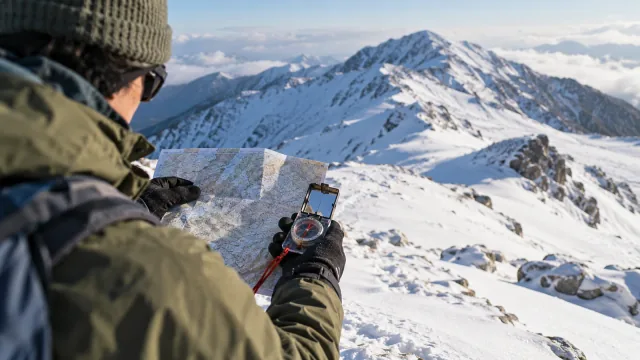
Winter navigation when snow hides the trail
A familiar trail can look different when snow buries signs and erases footprints. Route finding means knowing where you …
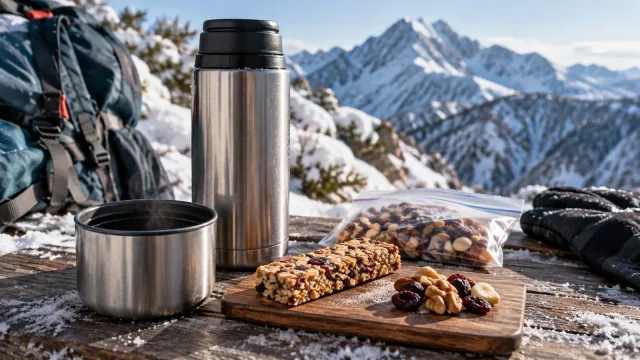
Water and food on winter hikes: how to keep them from freezing
A frozen bottle cap or a rock-hard snack can leave you without water or food when you need it. In winter, staying fed an…
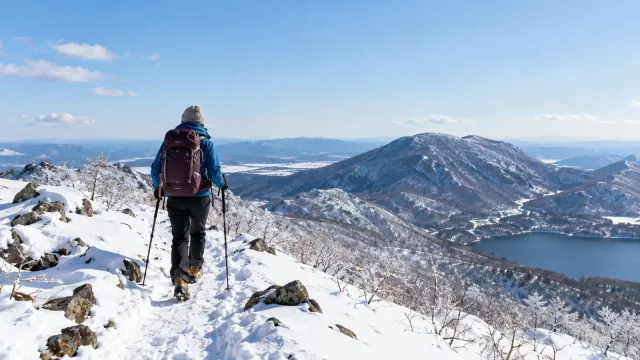
Choosing your first winter hike in Japan: Kantō, Kansai and Shinshū
When you’re ready to try hiking in the snow, start by choosing the route. Snow, ice, wind and shorter days change how fa…
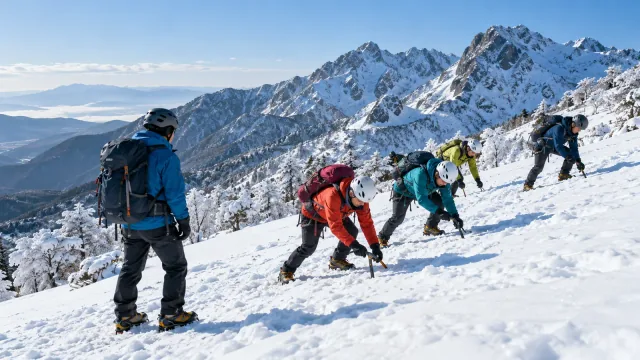
Winter mountaineering courses in Japan: what to learn and where to look
If you’re getting into winter mountaineering, the first question is often what course to take and where to find it. A bo…
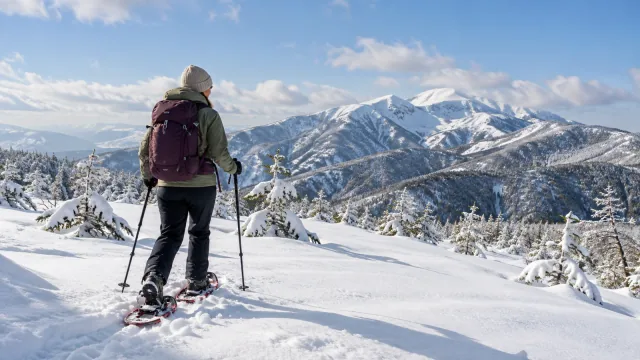
Snowshoeing for beginners: how it differs from winter mountaineering
Snowshoes can make it easier to cross soft snow. Whether an outing is suitable for a beginner depends on what’s underfoo…
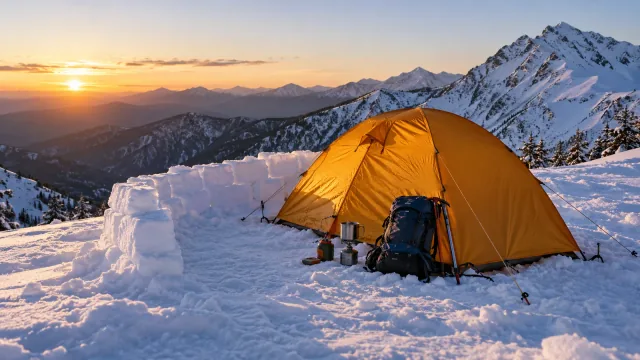
Winter camping in the mountains: pitching a tent on snow
A winter night in a tent brings cold, wind, drifting snow and fewer options if something goes wrong. Choose a site you c…
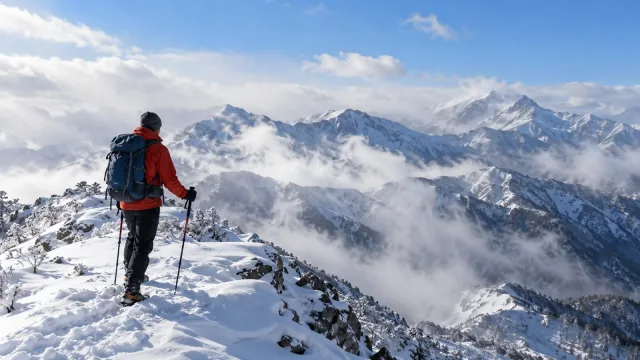
Winter mountain weather in Japan: pressure patterns and ridge winds
A calm start in the valley can be followed by strong gusts, drifting snow and poor visibility on a ridge. Check conditio…
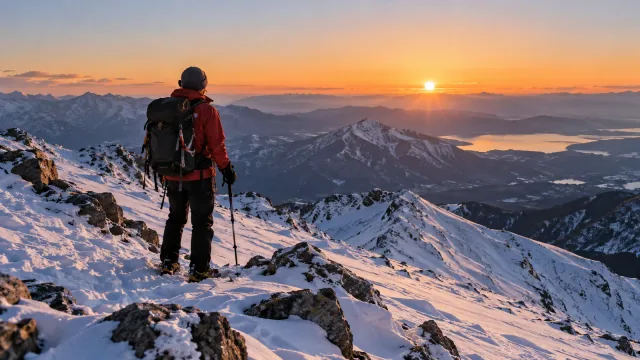
Timing a winter day hike: work backwards from daylight
Winter day hikes can take longer than planned. Breaking trail, checking the route and changing equipment all take time. …
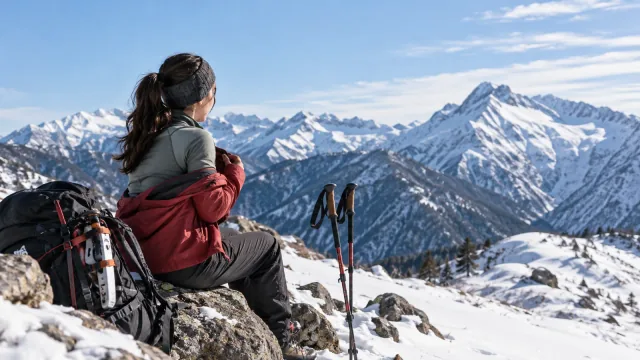
Staying warm on winter hikes: managing sweat and layers
It’s easy to get hot on a climb and cold as soon as you stop. Sweat trapped in clothing can increase heat loss, especial…
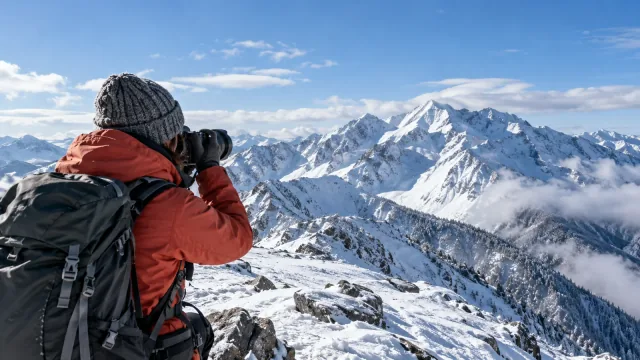
Photographing snowy mountains: exposure and batteries in the cold
Snow can look grey in a photo, or bright areas can lose all their detail. Cold can also shorten battery life and shut a …
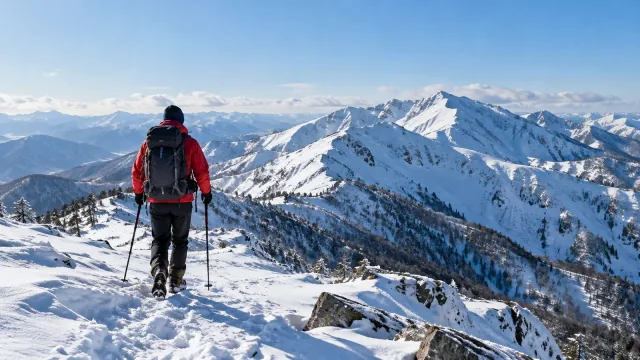
Solo winter hiking: risks and decisions before you go
Going alone in winter leaves you without someone nearby to check decisions, share the work or call for help if you can’t…
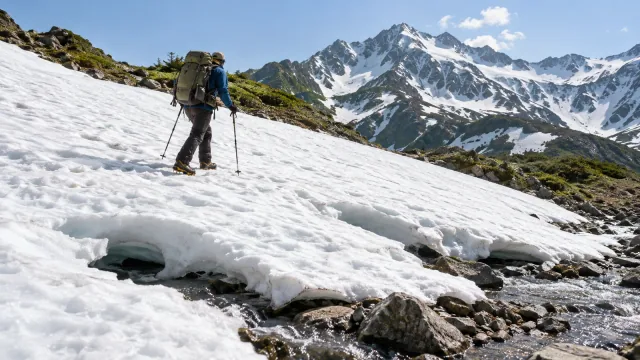
Spring snow hazards: snow bridges, hidden holes and cornices
Snow can linger into spring or summer depending on elevation, aspect and the year. Meltwater can hollow out snow bridges…