
Hiking Glossary
Learn the trail vocabulary you will see in route plans and trip reports, including out-and-back routes, traverses, scree and the treeline.
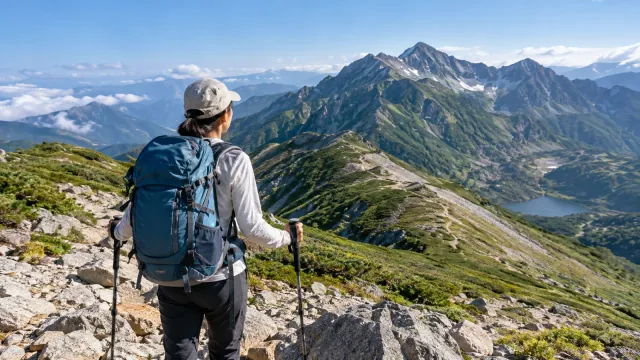
A beginner’s glossary of hiking in Japan
What’s a col? What does CT mean? New hikers meet unfamiliar words every time they open a guidebook or trail map. Hiking …
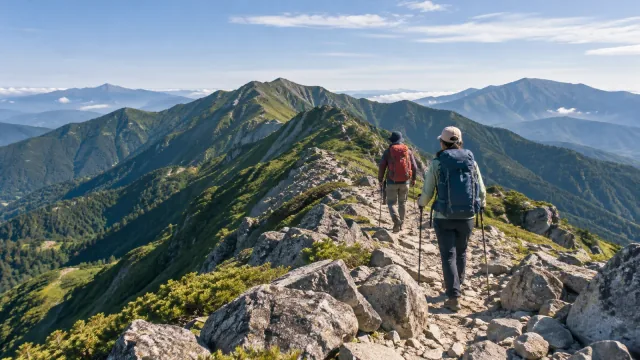
Out-and-back, loop and ridge traverse: three ways to plan a hike
When looking up a hike in Japan, you will soon see terms for going out and back, following a loop or attempting a ridge …
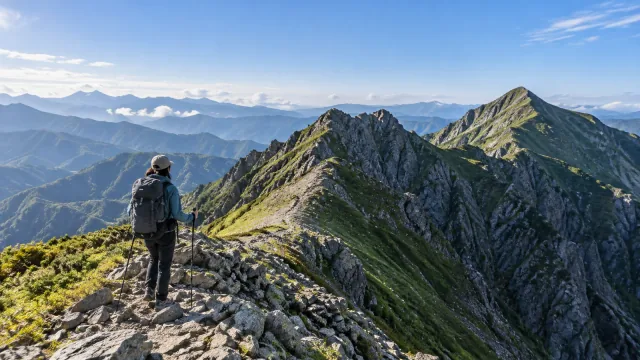
Cols, kiretto notches and peaks: reading the shape of a mountain
Hiking guides and route maps may suggest resting at a col, caution you about a kiretto notch or promise views after the …
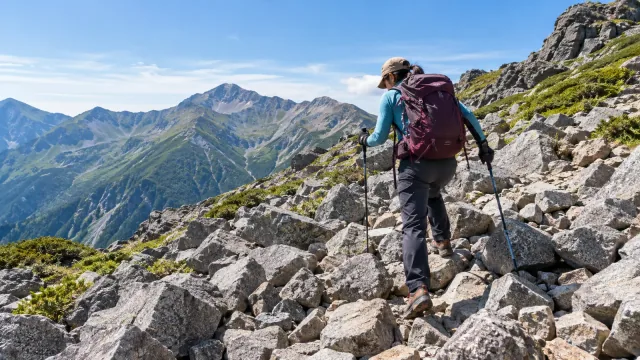
Scree, gravel and boulder fields: what lies underfoot
Japanese route guides and trip reports often warn about gareba or mention crossing a gōro field. Map apps use the same t…
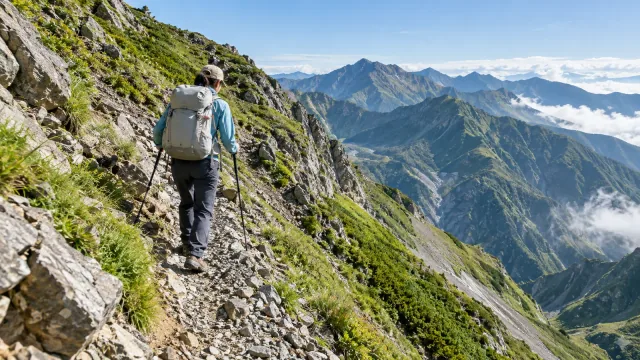
What is a traverse? Walking across a slope
Japanese hiking guides and route descriptions sometimes call a section a traverse. Here, the term means walking across t…
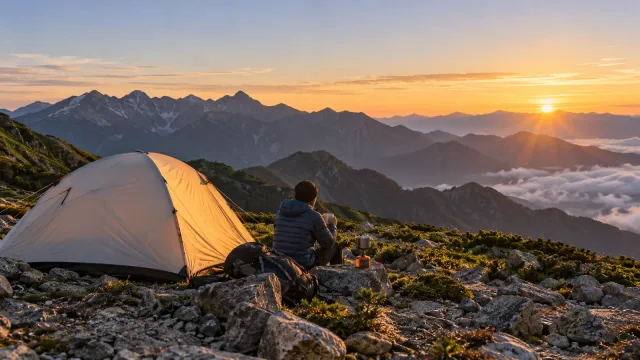
Bivouacking and camping: terms for spending the night in the mountains
Japanese hiking reports use several words for spending a night outdoors, including bakuei, bivouac, tent overnight and y…
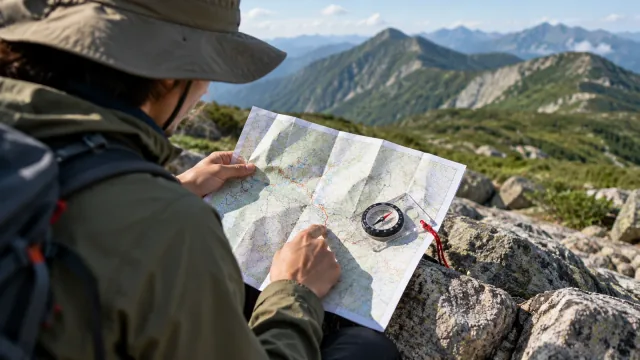
What walking times on Japanese hiking maps mean
A Japanese hiking map may show figures like 1:30 or 0:45 along the trail. These are estimated walking times for individu…
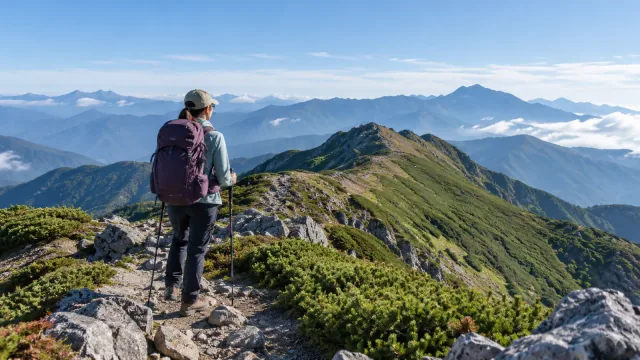
Elevation difference and cumulative gain: two numbers that affect fatigue
Hiking apps and mountain guides often list two figures in metres: elevation difference and cumulative elevation gain. Bo…
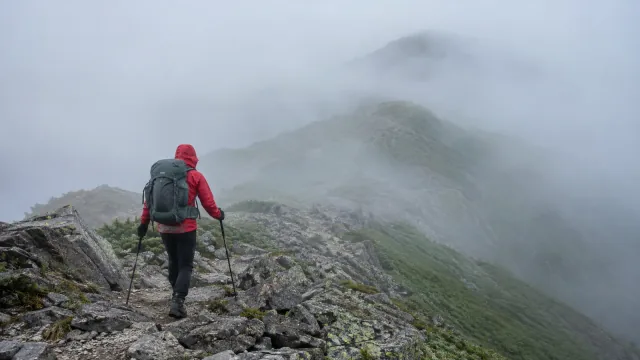
What hikers in Japan mean by gasu: mountain fog and cloud
In Japanese hiking reports you may see gasutteta, “it was foggy”, or gasu de shikai ga zero, “the fog left us with no vi…
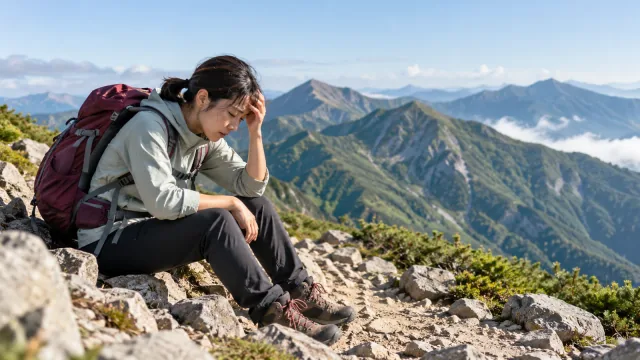
Bonking on a hike: What happens when you run low on fuel
Your legs suddenly feel heavy, you stumble, and even reading the map seems like work. You may have felt this yourself or…
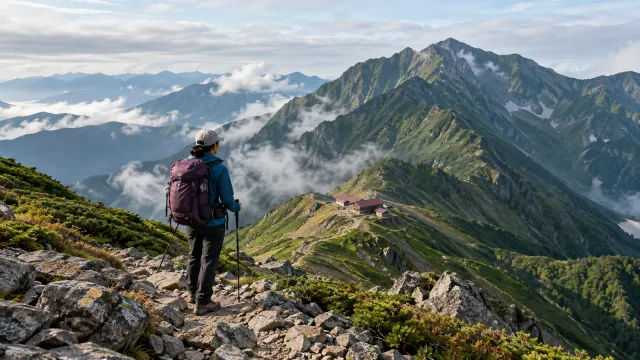
What is an escape route? Planning how to leave a hike early
A Japanese hiking plan may have a field for an escape route. It can seem unnecessary when the ordinary descent looks str…
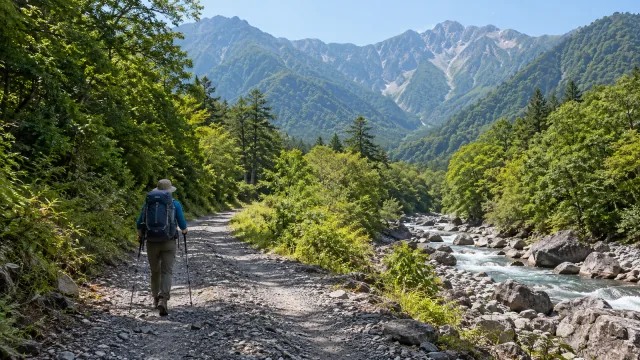
The approach: getting to the trailhead
When planning a hike, you may read that the approach is long or needs care. In hiking, the approach is the whole journey…
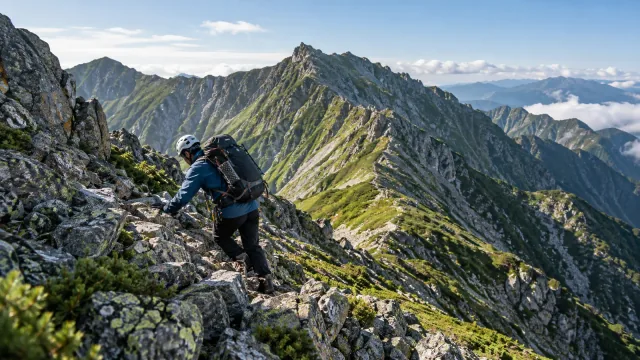
What is a variation route? How it differs from a maintained trail
When looking up Japanese hikes, you may see “variation route” in an app or trip report. For a beginner, it can be hard t…
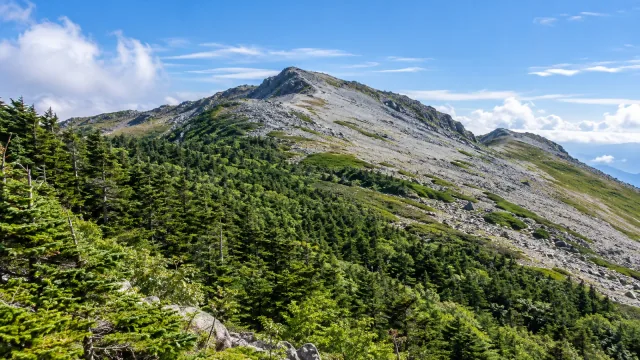
The treeline: where the landscape changes
When climbing a mountain, you may come to a point where the trees suddenly give way to open sky. This boundary is called…
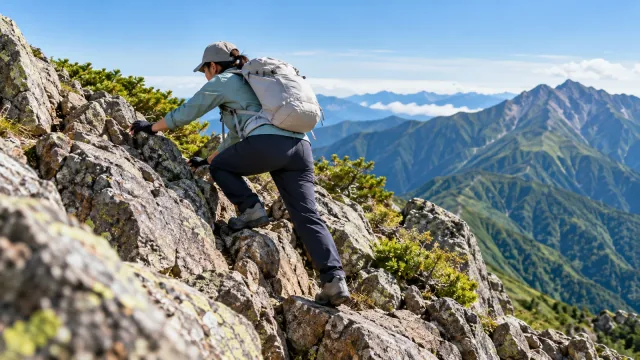
Three points of contact: the basics on rocky terrain
On rocky or chain-assisted sections, you may hear people say to keep three points of contact and wonder what to do. The …

Layering: how to combine clothing for hiking
Layering means wearing clothing with different jobs to regulate body temperature on a hike. Instead of just dressing mor…
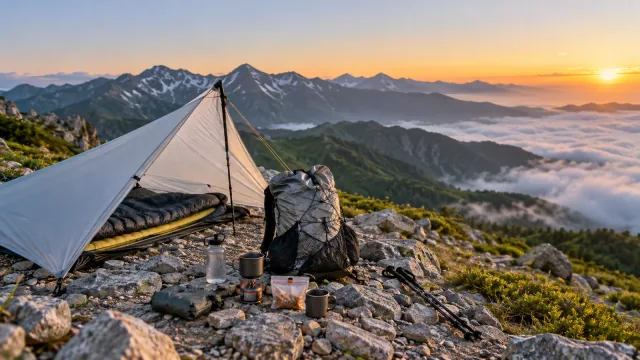
What UL means: the thinking behind ultralight hiking
When looking up hiking gear, you will often see “UL gear” or “UL hiker”. UL stands for ultralight, an approach that aims…
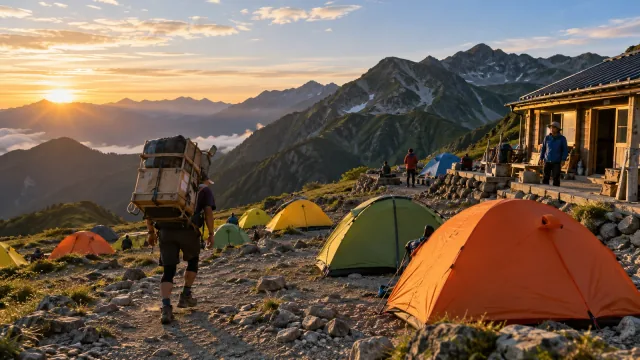
Campsites, hut keepers and mountain porters: words you hear around Japanese huts
Guides and experienced hikers often talk about a crowded tenba, making way for a bokka or asking the koyaban. These word…
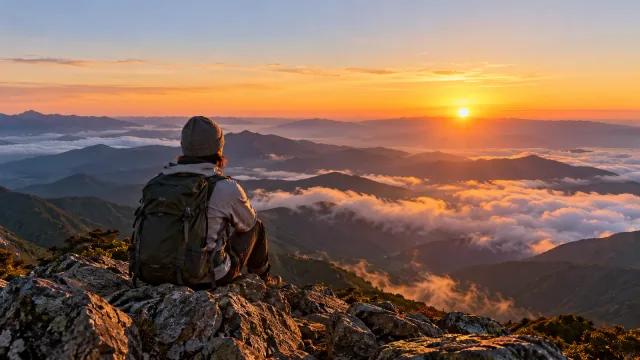
Goraikō and sunrise: greeting the morning on a mountaintop
Many people take up hiking because they want to see goraikō, the sunrise from a mountain. Goraikō and hinode describe th…
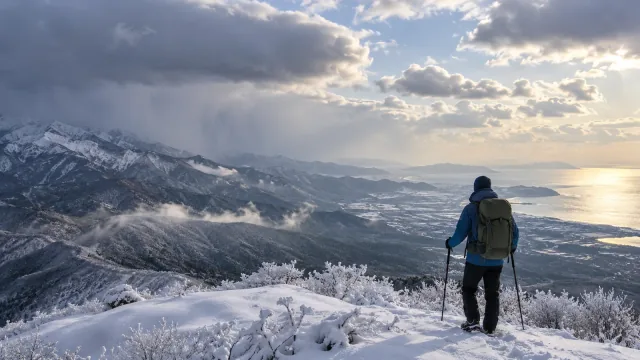
Japan’s winter pressure pattern: what “high west, low east” means
Japanese forecasts often say that the winter pattern is strengthening or that pressure will be high to the west and low …
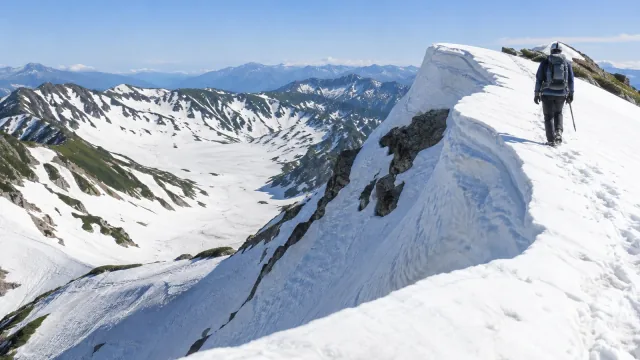
Cornices, snow gullies and avalanches: Three mountain snow terms
Route reports warn of cornices, snow gully traverses and avalanche danger. The words describe different phenomena, each …
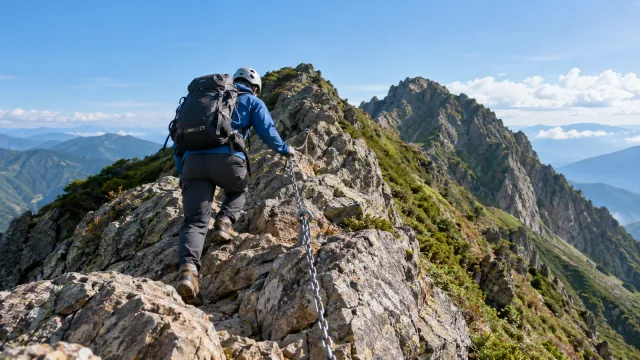
Rocky ridges, fixed chains and ladders on hiking trails
Guidebooks warn of rocky ridges, routes with three fixed chains, and vertical ladders. Each obstacle calls for a differe…
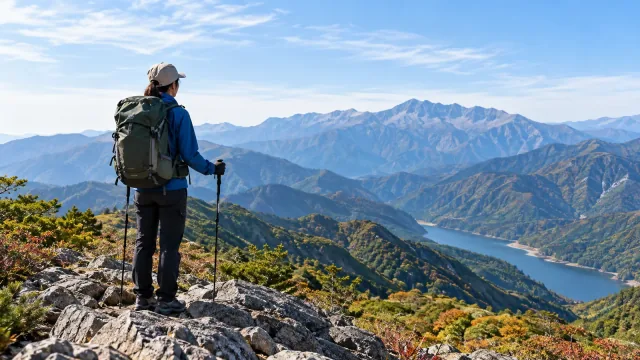
Japan’s 100, 200 and 300 Famous Mountains: how the lists differ
Many hikers say they want to climb Japan’s 100 Famous Mountains. Once you learn there are also lists of 200 and 300 famo…
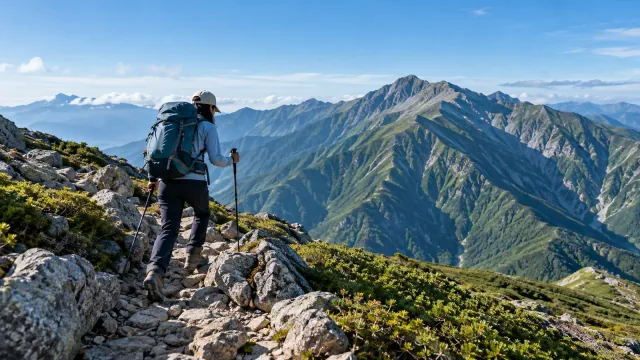
Reading Japan’s hiking grades: physical effort and technical difficulty
Japanese hiking maps and guidebooks often refer to grading. The system gives separate grades for physical effort and tec…
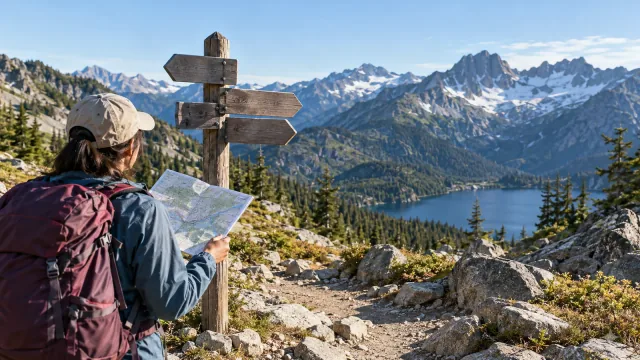
English hiking terms to know on maps and trail signs
On an overseas hike, signs and maps can tell you about hazards and route choices that your guidebook may not mention. Le…