
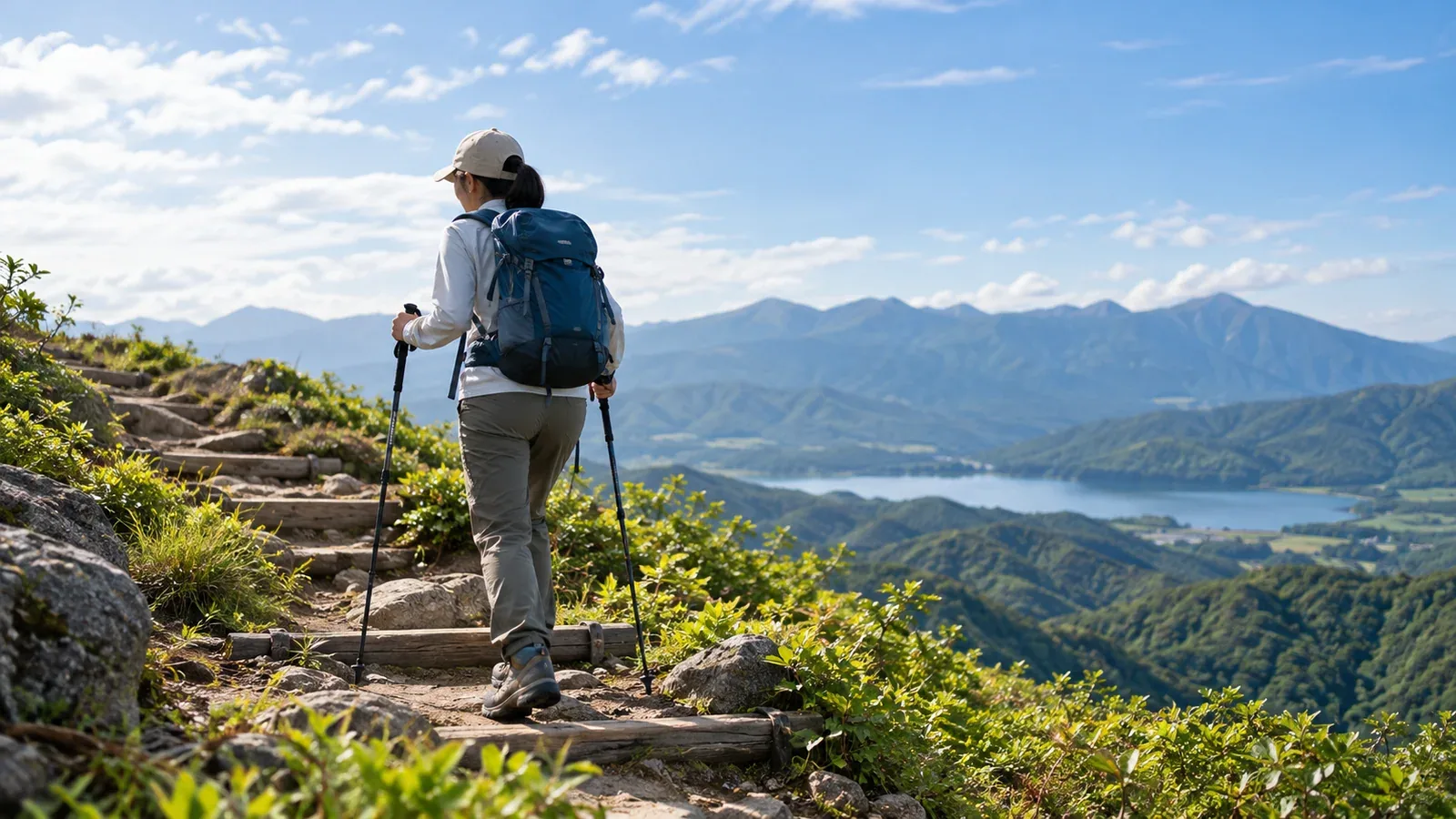
Think hiking is out of reach because you've never been good at sports? You can start even if you don't run or go to the gym. Start with a mountain that suits your fitness and build up to it. People who feel least confident about their stamina can get a great deal from hiking.
Here's how to assess where you are, choose your first mountain, get your body ready and pace yourself on the day. The advice draws on general exercise physiology and practical mountain experience.
Sports skills and stamina are different things
When people say they're bad at exercise, they may mean they never learned a sport such as swimming or ball games. They may also mean they get out of breath or tired easily, which is about cardiovascular and muscular endurance.
For hiking, you need to be able to keep walking at a slow pace. You can be a good athlete and still wear yourself out by rushing uphill. The kind of fitness hiking calls for is endurance for sustained low- to moderate-intensity aerobic exercise.
A flat walk is a useful way to see how you feel. Try up to 30 minutes at a brisk pace if that is comfortable, or start with a shorter, easier walk. Choose your first trail based on its slope, surface and exit options as well as your pace.
Choose your first mountain by cumulative ascent
Low elevation doesn't always make a mountain easy. Look at cumulative ascent, the sum of the elevation you gain across all the climbs, and at the published route time.
A maintained, clearly marked trail with up to 300 m of ascent and two to three hours round trip is one starting point. Choose a shorter trail with an easy return if you're unsure about your stamina.
Use current official information from municipalities, prefectural park offices or national parks. Beginner and family labels are a starting point. Read the route details and check with the manager before your outing, because conditions and grading criteria can vary.
Fame tells you little about difficulty. Several of Japan's 100 Famous Mountains have steep climbs or routes that can be dangerous for beginners. Judge the route itself.
Build fitness by walking more
Adding more walking to everyday life is an effective way to prepare and easier to stick with than a specialized routine.
During the first week or two, walk regularly at a pace and for a time that feel manageable. Build toward 30 minutes if comfortable, then add gentle hills or stairs. Ease off if your knees or ankles hurt, and seek medical advice if pain persists or concerns you.
You could start practicing three or four weeks before your outing and adjust based on your starting fitness, health and how you feel. If you have a chronic condition, symptoms with exertion or concerns after a long period of inactivity, ask a healthcare professional what activity suits you.
How you walk on the day makes a difference
Starting too fast is one of the biggest traps for hikers worried about stamina. If you push while you're fresh, you may run out of energy partway up and struggle to get down.
Walk at a pace that lets you talk normally with someone beside you. If you can't speak comfortably, ease up. Take the first 10–15 minutes especially slowly to warm up.
Drink regularly and bring snacks such as chocolate, nuts or a rice ball. Adjust the amount and timing to the length of the hike, the heat and your needs. Find out in advance whether you can refill along the route.
Set a deadline to finish the descent. Before leaving, add a buffer to the published descent time and work out when you need to be back at the trailhead. At the summit or before going farther, check that you still have that time in hand. Put a safe return first.
Get the essential gear
It's tempting to assume a nearby or low mountain calls for very little gear. That can lead to trouble.
Start with these five basics and add a headlamp, a warm layer and emergency supplies for your first outing.
- Shoes. Choose well-fitting hiking shoes with suitable grip for the terrain, especially on descents.
- Rainwear. Bring a waterproof jacket and separate pants. Mountain weather can change quickly, and getting wet increases the risk of hypothermia.
- Backpack. About 20–25 L for a day hike. Try it on, since the fit affects how tiring it is to carry.
- Drinking water. Two 500 mL bottles can be a starting estimate on a short, cool walk. Bring enough for the duration, heat and refill options.
- Map and compass. Learn to use them and download a map ahead of time if you also use a GPS app.
Keep essential safety equipment in your pack even when you want to keep the load light.
What to do next
Try a manageable walk near home this week, adding a short hill when you're ready. Find a maintained trail through your municipality or national park. An experienced companion can help you get a feel for your pace. Nordwand's Base Camps let you meet hikers interested in the same area.
References
- Japan Meteorological Agency, regional forecasts and advisories.
- National Police Agency and prefectural police, overview of mountain incidents.
- Japan Sport Council, National Mountaineering Research Center.
References and sources
- How to start physical activity safely · Ministry of Health, Labour and Welfare (Japanese)
- Adding physical activity as an adult · CDC
- Regional forecasts and advisories · Japan Meteorological Agency (Japanese)
- Mountain incident statistics · National Police Agency (Japanese)
- Hiking plans and day-hike essentials · Nagano Prefecture (Japanese)