
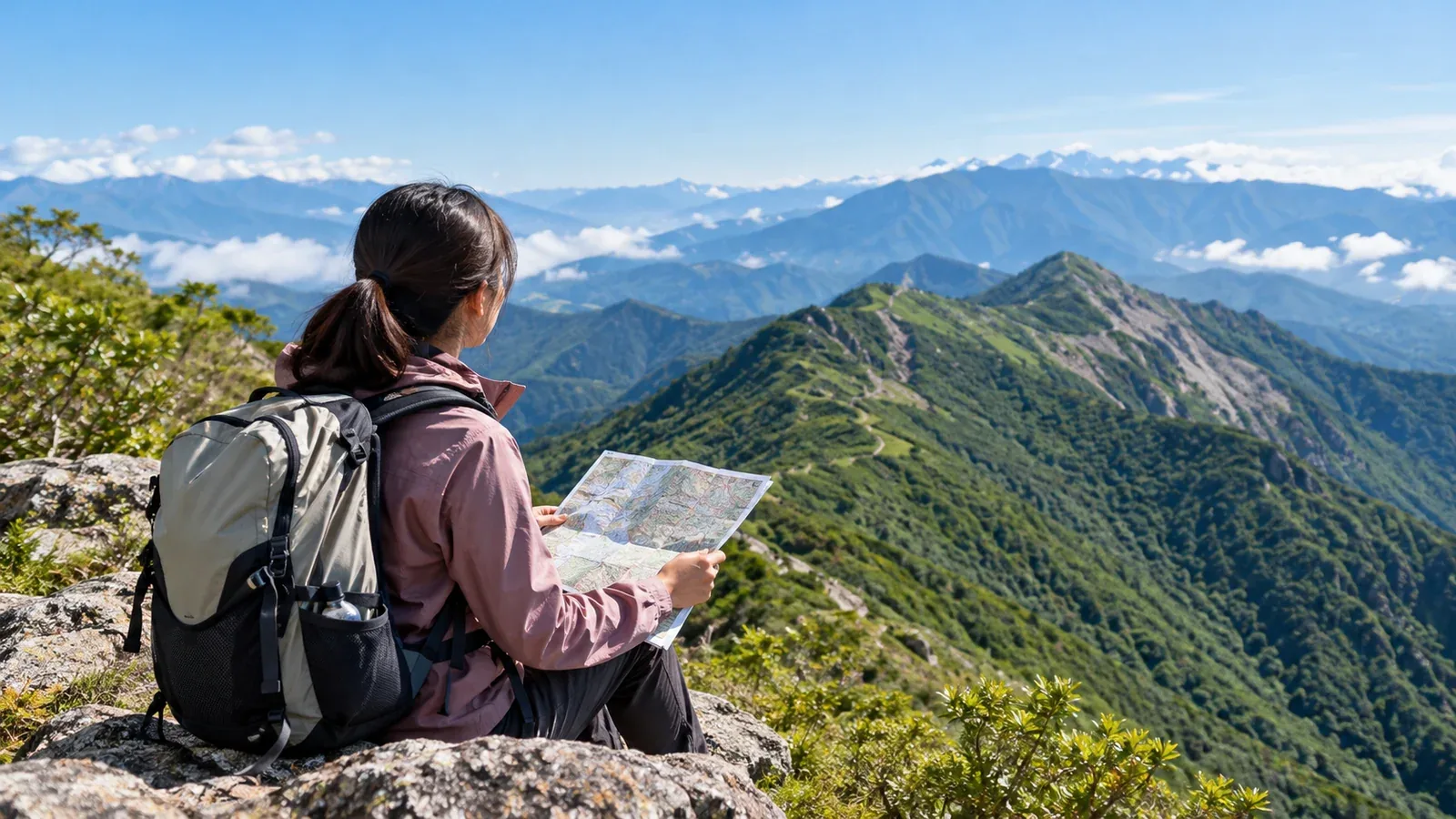
Have you wondered whether hiking suits you? Perhaps you're unsure of your fitness, haven't exercised regularly or feel uneasy at heights. Those concerns can make it hard to take the first step.
How you make decisions matters just as much as your fitness or sports background. Safe hiking calls for being honest about how you feel and knowing when to turn back. You can build fitness gradually, while habits of judgment often take longer to change.
Ask yourself these five questions before you begin. If one of the answers concerns you, it can point to something worth preparing for.
1. Can you change the plan if you're more tired than expected?
One of the most important safety habits is being able to change a plan mid-hike. It's natural to want to keep going because you've come a long way or the summit looks close. That last stretch can be the point where you run out of strength.
Pay particular attention if you tend to put the itinerary or other people's expectations ahead of how you feel. Turning back can be sound judgment. Knowing that in advance makes a real difference for beginners.
When a trip or a plan goes awry, how easily do you change course?
If you find that hard, get into the habit of deciding when you'll turn back before you leave. For example, give yourself a set number of hours to reach the summit, then turn around if you haven't made it.
2. Do you have a health condition or symptoms that concern you?
Climbs and descents can be more demanding on the heart, lungs, knees and back than walking on level ground. At high altitude, especially after a rapid ascent, lower air pressure increases the risk of altitude illness, which can include headache, nausea and unusual fatigue.
If you have a chronic condition or symptoms with exertion, talk with a healthcare professional before hiking. Describe the planned route, altitude and duration so they can advise you based on your circumstances.
Has a doctor given you advice about your heart, lungs, joints, blood pressure or another health concern?
If so, make a conversation with your doctor the first step in deciding how to get started.
3. How comfortable are you reading a map or following a route?
Even on a maintained trail, you can go wrong at a junction. Knowing roughly where you are and which direction to go when you lose mobile reception or run out of battery is a basic safety skill.
Map reading is something you can learn. If maps and directions feel unfamiliar, set aside time to learn the basics of topographic maps and hiking apps. The Geospatial Information Authority of Japan offers map-reading materials, and introductory books can help with planning a hike.
Do you already use a map app to check your location or look up a walking route?
If you seldom do, take an introductory class or go with an experienced hiker. Either can help you learn faster.
4. Can you set aside time and money for equipment and preparation?
For a first hike, choose footwear with a secure fit and grip for the terrain, layers to manage body temperature and rainwear that protects against wind and rain.
Preparation also takes time. By the day before, you'll want to check more than one forecast, including the Japan Meteorological Agency, file your hiking plan, look up route times and check your pack. Plan ahead before you set out.
Are you willing to spend some money up front and make time to prepare before each trip?
Wanting a simple start is understandable. Leaving essentials behind increases the risk of injury and getting cold. For a lower-cost start, find a shop that rents equipment or build your kit gradually with guidance from an experienced hiking companion.
5. Do you enjoy quiet and time on your own?
This is about whether you'll want to keep hiking. Much of a hike is simply walking. Some stretches have open views, while others stay in the woods for a long time. You'll have periods of quiet even with companions. Be careful with headphones because they can block sounds around you.
If you enjoy thinking while you walk or feel at ease in nature, hiking may suit you. If you tend to get bored without constant change or dislike quiet places, try a short hike and see how it feels.
Do you enjoy looking at a view with nothing else to do, or going for a walk on your own?
What your answers tell you
Think about two things your answers bring out.
- Judgment and temperament. It helps to adapt plans and put safety first. Watch for the urge to dig in or see turning back as a failure.
- Preparation and interest. Curiosity about maps, weather and gear helps. Notice if you put off things that feel like a chore.
Recognizing a habit and making a plan to deal with it are signs you're developing the judgment hiking calls for.
Many beginners underestimate their fitness. Start on a route with a small elevation gain. Getting comfortable on those first outings can be part of the pleasure.
What to do next
Pick one concern from your answers and write down what you'll do about it. You might make an appointment with your doctor this week or practice using a hiking app. Nordwand's Base Camp and certified guide requests are options if you'd like company or experienced support.
References
- Geospatial Information Authority of Japan, reading topographic maps.
- National Police Agency, annual mountain incident overview.
- Japan Meteorological Agency, mountain weather information.