
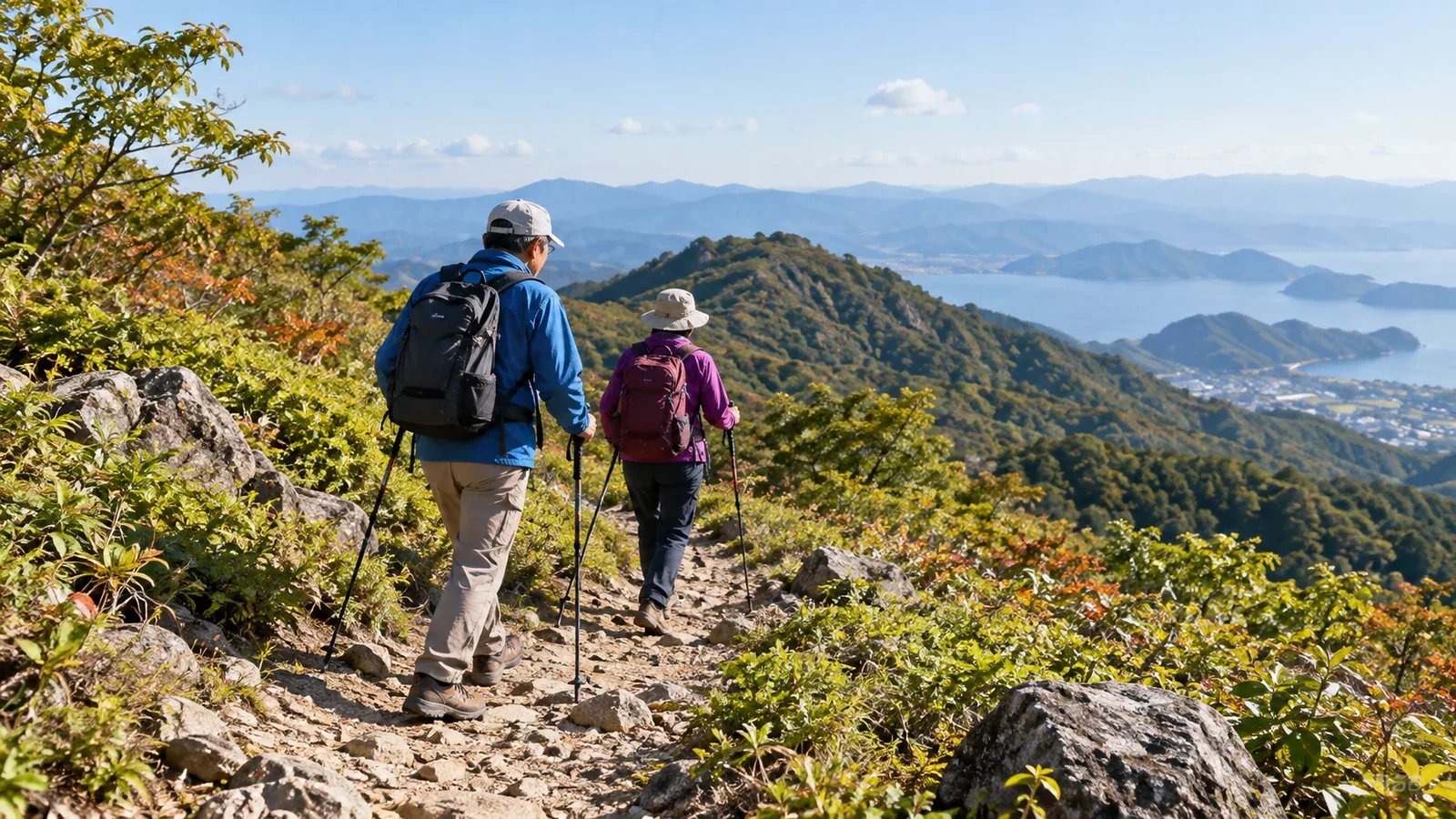
If you are being treated for high blood pressure, diabetes or abnormal cholesterol or triglyceride levels, start by working out what distance and gradient suit your current health. Unlike a walk around the neighbourhood, a mountain route may leave you some way from home or help if you start to feel unwell.
Here is what to discuss with your clinician, how to choose a manageable route and what to do if your condition changes on the trail.
Hiking as a form of aerobic activity
Regular aerobic activity can help manage blood pressure and blood sugar in type 2 diabetes. Hiking is one option if you can adjust the length and intensity of the route to your health.
Compared with a paved, level walk, mountain trails differ in a few ways.
- Changing surfaces. Gravel, rocks and roots change how you place your feet and keep your balance. Choose a well-maintained path while you are getting used to it.
- Different demands uphill and downhill. You breathe faster uphill and use your legs to support your weight and control your speed downhill. Leave enough energy for the return.
- Walking time. Climbs, descents and rests can make even a short trail take longer than expected. Look for places to rest and points where you can turn back.
When adding hiking to your routine, continue the diet, prescribed medication and follow-up you agreed on with your clinician.
What to check before you begin
Tell your clinician how long you plan to walk, the elevation gain, the season and how active you are now. Discuss the following three points.
Heart and blood vessel health and exercise intensity
Walking uphill can leave you more breathless than walking on the flat. If you have a heart or vascular condition, chest symptoms or breathlessness during exercise, ask your clinician what intensity is appropriate and whether you need an examination or tests first.
Preventing and responding to low blood sugar
People using insulin or some other glucose-lowering medicines can experience low blood sugar during or after exercise. Agree with your care team beforehand on when to check your glucose, what to carry and what to do if you suspect a low.
Medication and fluids in hot weather
Some medicines, including diuretics, can contribute to dehydration or light-headedness on hot days. Tell your clinician what you take and ask how to handle hot weather, including any fluid restrictions. Keep to your prescribed doses unless your clinician advises a change.
How to start with short walks close to home
Once you have discussed your limits with your clinician, start gradually on routes close to home.
Step 1. Choose a short, maintained route. Try a hill in a park or a well-kept trail with stable footing and easy places to rest or turn back. Notice how you feel during the walk and after you get home.
Step 2. Walk at a pace that lets you talk. Within the intensity agreed with your clinician, keep a pace at which you can carry on a conversation. Stop walking if unusual symptoms appear. Medication can affect heart rate, so bear that in mind when interpreting a reading.
Step 3. Increase one thing at a time. See how you feel the next day and later. Once the walk is comfortable to repeat, gradually increase either distance, elevation gain or time.
How to prepare and walk on the trail
Alongside route and equipment, think about how you will manage your usual care on the trail.
Plan your fluids. Bring fluids according to the amount and method you agreed with your clinician. Check where you can refill if needed.
Wear shoes that fit and check your feet. If diabetes has reduced sensation in your feet, it can be harder to notice blisters or cuts. Choose shoes that fit and grip the trail, then check for redness, blisters and injuries afterward.
Slow down on descents. Take shorter steps, watch your footing and allow time to rest. If you use trekking poles, practise with them close to home first.
Walk with someone at first. Tell your companion whom to call if you feel unwell and share your plan for dealing with low blood sugar.
When to stop walking and call for help
If any of the symptoms below come on suddenly, stop, get to a safe position and tell your companion. If symptoms are severe, worsen suddenly, or affect alertness or breathing, call 119 in Japan immediately. Stay where it is safe and wait for help.
- Severe chest pain or pressure
- Sudden difficulty breathing or severe breathlessness that does not ease with rest
- Fainting, reduced responsiveness or dizziness so severe you cannot stand
- A sudden severe headache or sudden changes in vision
If you suspect low blood sugar and the person is alert and able to swallow, follow the plan agreed with the care team. If they are not fully alert or cannot swallow, give nothing by mouth and call emergency services immediately.
If you have a fever, chest symptoms or unusually severe fatigue before setting out, skip the hike that day.
Prepare a first outing
Choose a short route and tell your clinician its estimated time, elevation gain and points where you can turn back. Discuss the intensity, what to eat and drink, and what to do in an emergency. Walk with someone on your first outing. You can find hiking partners through the Nordwand community.