
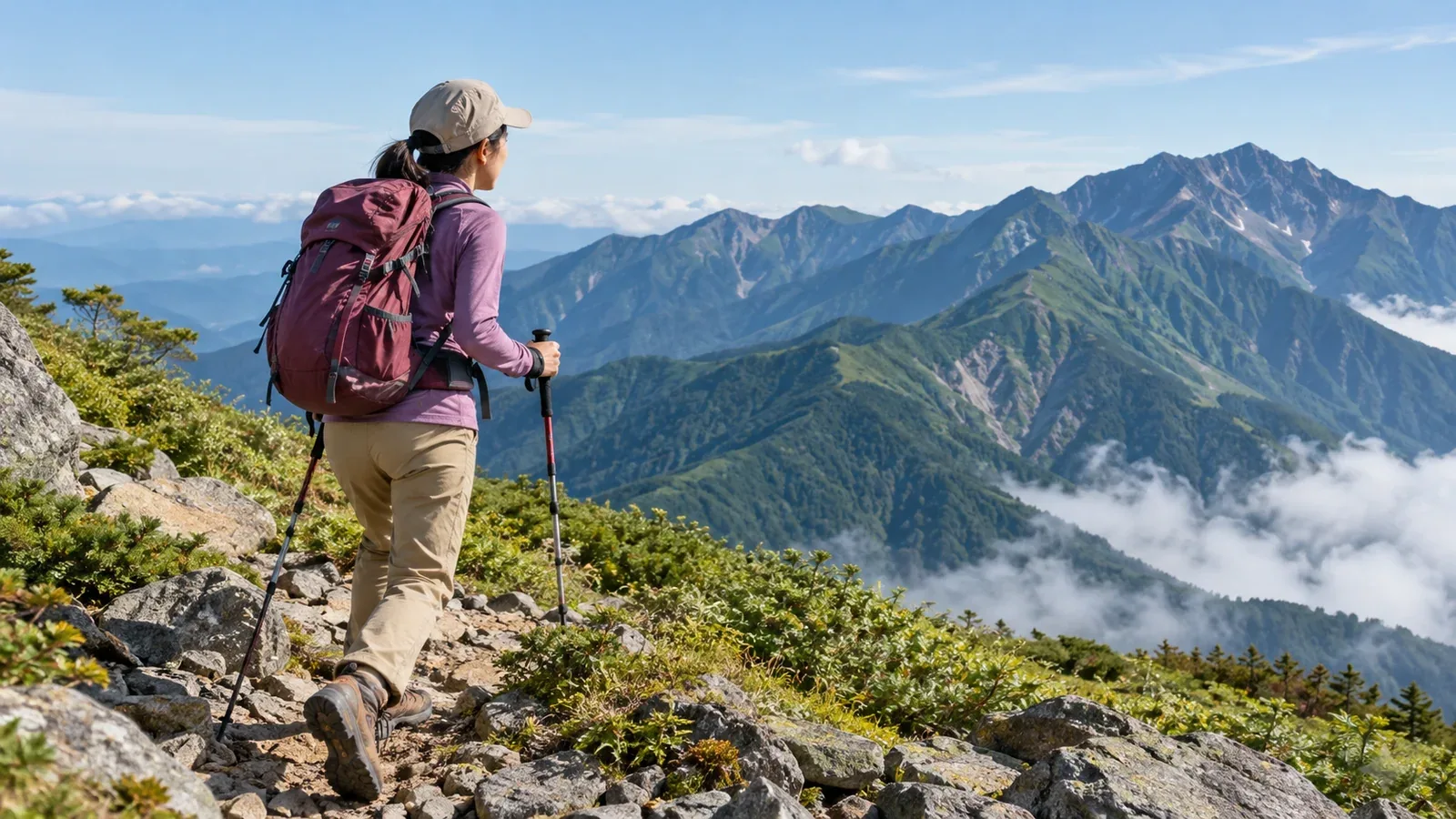
When you walk, your legs support your body weight and transmit forces to your bones. Hiking is one form of this weight-bearing activity. If you are concerned about bone density or fractures, look for firm footing as well as a suitable distance and slope.
Bone density is one measure of the mineral content of bone. Osteoporosis weakens bones, making fractures more likely even after a minor fall. Ageing and menopause can contribute to bone loss.
Forces from contact with the ground and from muscle action pass through the bones as you walk. On a mountain path, changes in slope and surface affect both the effort in your legs and how hard it is to keep your footing.
How weight-bearing activity affects bone
Bone is continually renewed as old tissue is removed and new tissue forms. This is called bone remodelling. The forces from walking or strength training are among the stimuli that bones adapt to.
Swimming and cycling are ways to stay active. Walking puts a different load on the bones because your feet and legs carry your weight. For bone health, combine walking with strength and balance exercises suited to how you feel.
If you have low bone density or a history of fractures, discuss an appropriate level of effort with a healthcare professional before taking on hills, long descents or heavy packs.
Bone density and hiking at different ages
Bone mass grows during childhood and early adulthood. Later it changes with age and health.
While growing and in early adulthood, being active can build a foundation for bone health. Alongside walking, try different activities suited to your age and fitness.
In midlife, bone loss can accelerate around menopause. Keep up everyday walking and strength training, and ask a clinician whether a bone density test is appropriate.
In older age, preventing falls matters as well as maintaining bone strength. Choose paths with reliable footing and include strength and balance exercises that suit your abilities.
Bone density can be measured by methods such as DXA. Discuss when testing is appropriate and what the results mean with your clinician, taking your age, fracture history and medicines into account.
Starting to hike if you are concerned about your bones
If you have osteoporosis, low bone density or a history of fractures, ask a clinician or physiotherapist what walking and loads to start with. If you have had spinal fractures or several broken bones, ask specifically about trail surfaces and what to carry.
Once you know what you can manage, use these four points to choose a route and equipment.
Four ways to get started
- Start on a flat or gently sloping path. Pick a short, maintained route with firm footing and somewhere you can turn back.
- Keep your pack light. Take what the route requires, such as water, rain gear and a map. Leave out any weights you would be carrying just to make the walk harder.
- Get used to walking aids before using them on a trail. If you plan to use poles, check what equipment and technique suit you and practise first on level, safe ground.
- Stop if you feel pain or unsteady. Rest somewhere safe and see whether you can return comfortably. If the pain is severe or persists, seek medical advice.
Making hiking part of a routine for bone health
Keep up walking and strength and balance exercises at a manageable intensity. On days when you cannot get to the mountains, choose an activity close to home.
On low mountains, you can start with a short, maintained path and adjust the effort. Once you are used to it, gradually change either the distance or the slope.
Calcium and vitamin D in your diet also matter for bone health. Before taking a supplement, ask a clinician or dietitian how it would fit with what you eat and any medicines you take.
If you are being treated for osteoporosis, continue your medication and follow-up while discussing how to fit activity into your routine.
Plan a first walk
Find a short, gently sloping path near home. If you are concerned about bone density or past fractures, tell your clinician the distance, gradient and what you will carry, and agree where to start. You can find walking companions in the Nordwand community.