
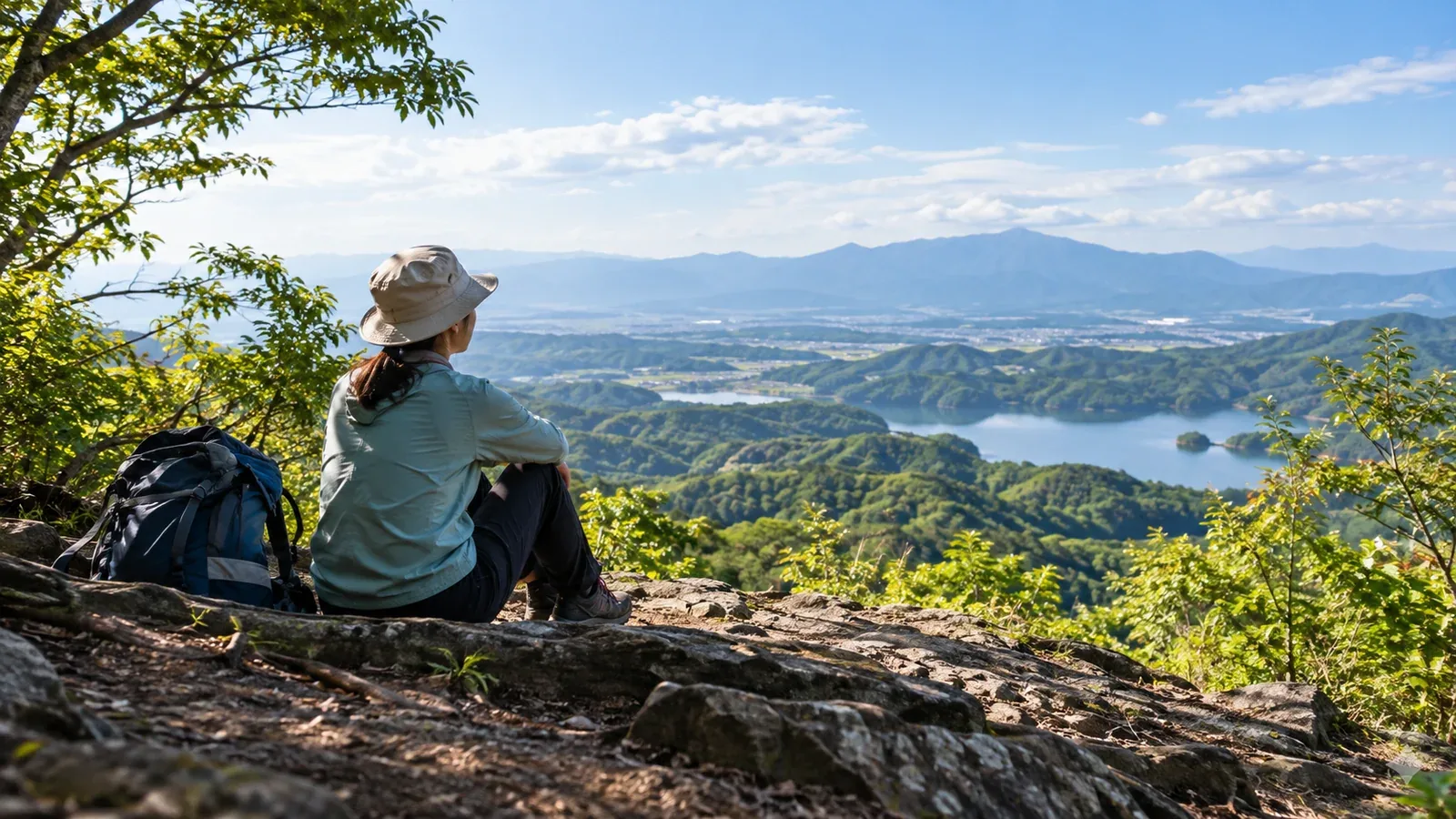
On a mountain trail, you may feel a little removed from the things on your mind at work or home. Paying attention to your footing or hearing the wind and water can shift how you feel.
Here is what researchers have observed about walking in nature, along with ways to start with an easy walk in the hills for a change of scene.
What happens when we walk in nature?
Moving, noticing your surroundings and walking towards a nearby goal can all give you something to focus on during an outing.
First, moving your body. Focusing on the rhythm of walking or where to put your feet can give you some distance from everyday concerns. Steep slopes can leave you too tired to enjoy the walk, so if you are looking for a change of scene, go at a pace that lets you talk.
Second, where your attention goes. Dappled light and the sound of water can catch your attention without you looking for them. In a small 2015 experiment, healthy adults reported less rumination, or going over the same thoughts repeatedly, after a 90-minute walk in nature. The group that walked through a city for the same amount of time did not report the same change.
Third, having a clear stopping point. Small goals like reaching the next bench or turning back at a junction let you see how far you have walked. The short-term changes observed in research are distinct from changes in everyday mood or progress during treatment.
What nearby hills offer
On a low mountain close to home, you may be able to choose a short path or one where you can turn back easily.
Less preparation close to home. A shorter journey and walking time can make an outing easier to plan and repeat.
Time for quiet. If you want to walk at your own pace, consider a maintained walking path or park. If you are new to mountain trails, go with someone experienced.
A chance to notice the seasons. The same path can offer flowers, autumn leaves, birdsong and the smell of earth at different times of year.
Take in your surroundings as you walk
Pick one thing you would like to enjoy on the walk. That can make it easier to slow down on an unfamiliar trail.
Walk at a pace that lets you talk. If you are too out of breath to talk comfortably, slow down and rest somewhere safe.
Spend less time checking notifications. Carry your phone for maps and emergency contact. Save non-urgent messages for a break.
Stop somewhere safe. Step aside where other walkers can pass and take a moment to listen to the wind or enjoy the view.
Record how the walk felt. Alongside photos, jot down the weather, wind and how tired you felt. It can help you choose your next route.
Adapt the plan to how you feel
Walking in the hills can give you a change of scene and a chance to move. If you are receiving treatment, continue the appointments and medication in your care plan.
If low mood, anxiety or sleep problems persist and interfere with daily life, speak with a doctor or mental health professional. If you are receiving treatment and want to change how active you are, discuss your health and medication with your clinician.
On days when you feel tired or find it hard to concentrate, choose an outing that fits how you feel. Walk in a local park, shorten the route or turn back earlier.
Weather can change quickly even on low mountains, and it is possible to get lost or fall. Check the forecast and the latest trail notices from local authorities or trail managers.
First steps towards a regular walk
Start with a short walk and see how you feel that day and the next.
Choose a short, maintained route near home with easy places to turn back. Check the estimated time, footing and transport with the local authority or trail manager. Allow more time than you usually spend on a walk.
Pack water, snacks, rain gear, a map, first aid supplies and a headlamp. Wear shoes that fit and grip the surface you will be walking on.
File your hiking plan with the designated authority for the area and tell a friend or relative where you are going and when you expect to return. Some places have no phone signal, so make sure your map is available before you leave.
Choose your first route
Find a local route where you can rest or turn back easily, then check the forecast and access notices. You can find companions through the Nordwand community. Afterward, jot down how tired you felt and how the walk affected your mood. Use those notes to choose the distance and pace next time.