
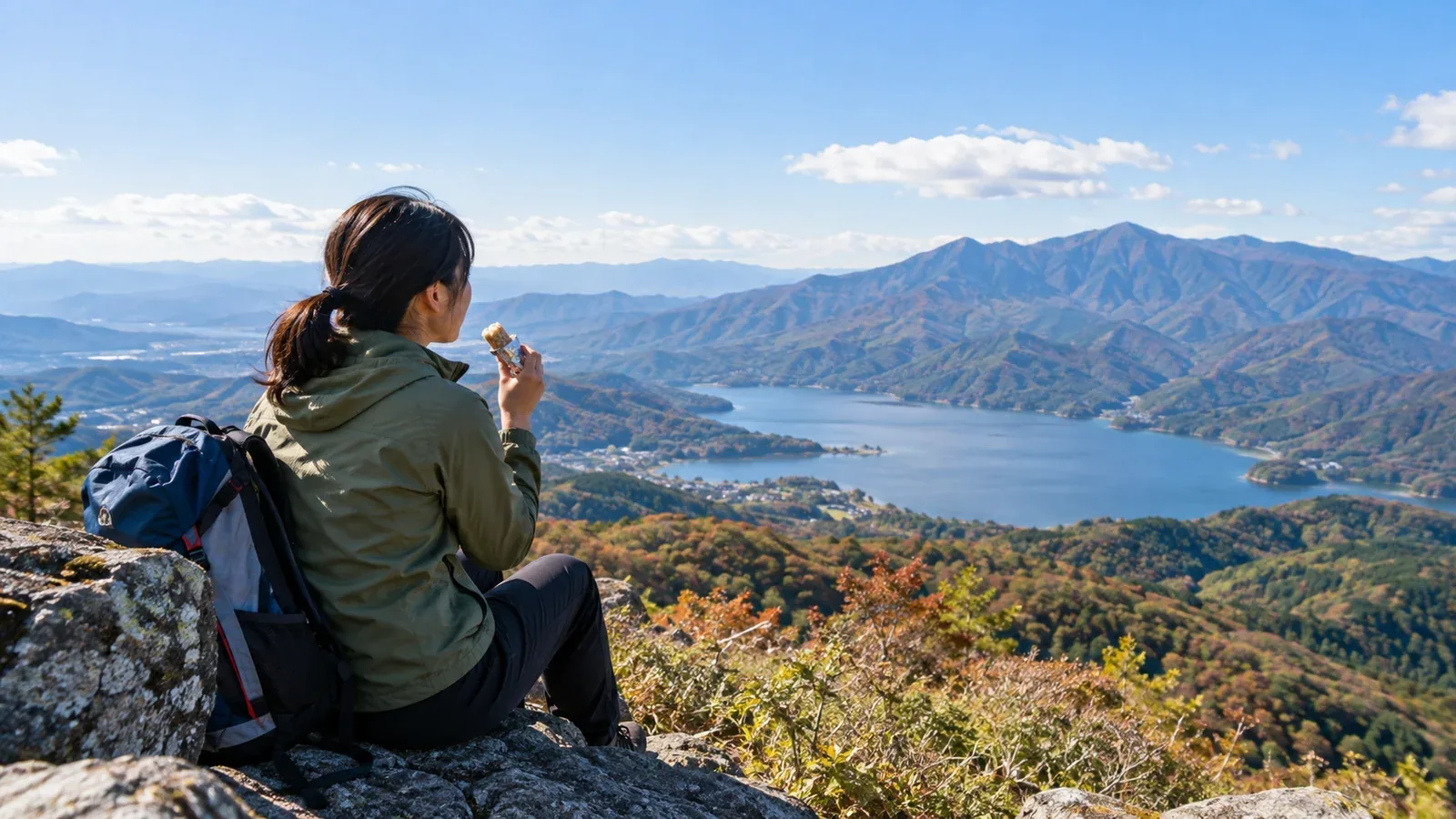
Hiking gives you a chance to be active. How your weight changes depends on the time and effort you spend on the trail as well as your usual eating, everyday activity and health.
If you are getting started, here is how to choose a route you can keep doing and what you can track alongside weight.
How hiking uses energy
You use a different amount of energy when you walk longer or when a hill or pack increases the effort.
On a climb your legs lift your body. On uneven ground you choose where to put your feet. Even over the same length of time, the gradient, pace and pack change how tiring a hike feels.
For weight management, look at daily eating and physical activity, including on days without hiking. One hike is only part of that picture.
Four factors that affect changes in weight
1. Elevation gain and walking time
A short walk in the hills and a ridge route with a lot of elevation gain put different demands on your body. Begin with a short route that leaves energy for the descent. When you are comfortable, increase either the distance or elevation gain gradually.
2. How often you walk
Walk in the hills when you can get there and near home when you cannot. Look for a combination that fits your life, with a frequency that suits how you feel and what you have time for.
3. Food on the trail and after the hike
Bring food and water according to walking time, heat and places you can stop. Eat and drink along the way. Plan your meal after the hike around how hungry you are and when you will get home.
4. Your health and individual differences
Age, health, medicines and daily habits can all affect how weight changes with the same activity. If you have a chronic condition or symptoms during exercise and are unsure how much you can walk, ask a clinician.
What to look at alongside weight
A change in weight tells you little about how much easier a familiar path feels or how tired you are the next day.
Jot down these points before and after walking.
- How the climb felt. How was your breathing or leg fatigue on the same path at a similar pace?
- How you felt the next day. How much tiredness or muscle soreness was left?
- How everyday walks feel. Do stairs or a hill in your neighbourhood feel different from before?
Weather, sleep and health change how a walk feels. Compare notes from several outings in similar conditions to help choose the next route.
Choose a first route in the hills
Start with firm footing and places where it is easy to turn back. Include the trip to the trailhead, breaks and time for the descent in your plan.
What to check on your first route
- Elevation gain. Look at the gradients on the way up and down and consider whether you can save enough energy to descend steadily.
- Walking time. Use the time you usually walk as a guide, with extra time to rest and check the route.
- Surface and access. Choose a maintained path and check for closures or slippery sections.
- Ease of getting there. Check travel time and cost. Choose a route you can get back to easily.
Check walking times and access in current notices from the local authority or trail manager. Change your route or date if your health or the weather changes.
Choose shoes that fit and grip, and a pack that sits securely when you walk. Prepare water, snacks, rain gear, a map, a headlamp and first aid supplies for the route.
Making it easier to keep going
Something you look forward to, such as a view or the change of seasons, can make it easier to plan another walk.
You can also start with a short outing with someone who has a similar fitness level and schedule. Talking about how long it took and how tired you felt can help you choose the next distance.
Even on low mountains, weather and trail conditions can change. Check the forecast and access before leaving, file a hiking plan and tell a friend or relative your destination and expected return time.
Choose your first outing
Find a short local route and check how long it takes and whether it is open. When you walk it, note the time, how tired you felt on the climb and descent, and how you felt the next day. You can find walking partners in the Nordwand community.