
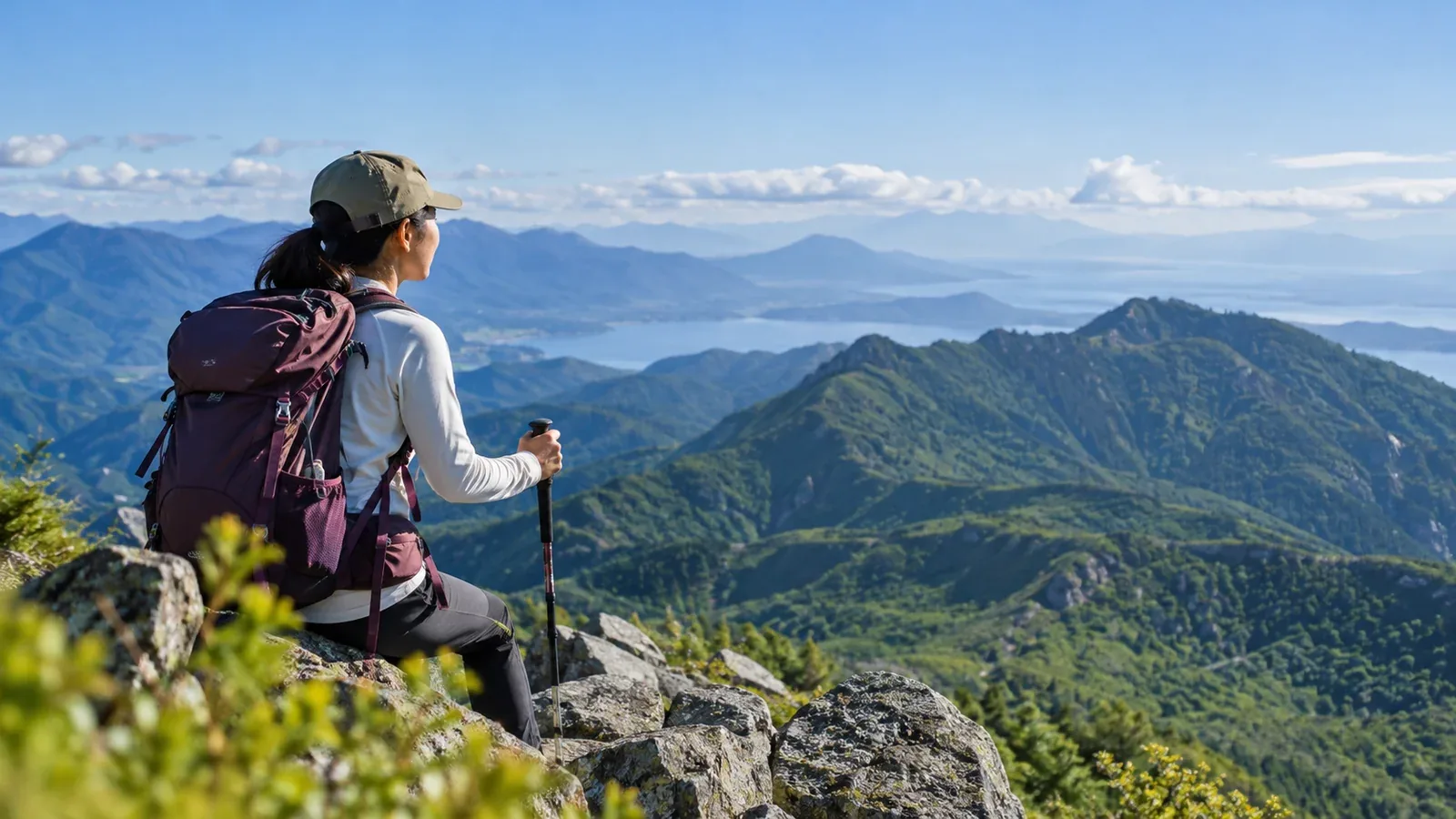
A walk in the hills once a week can be a good way to get moving. How hard it feels depends on how long you walk and how steep the route is, so start with a hike you can fit into your routine.
Frequency alone does not determine the effects on fitness or health. The time and effort you put in on the trail also matter, as does how active you are during the week.
Here is how trails challenge your body, how to adapt a hike to your goals and how to keep going without carrying too much fatigue into the next outing.
How hiking differs from walking on flat ground
Walking on the flat and walking in the hills place different demands on your body.
On climbs, your legs lift your body and your breathing speeds up depending on the slope and pace. On descents, the muscles at the front of your thighs lengthen under tension to slow you down. This is called an eccentric contraction. A long descent you are not used to can leave you sore later.
Rocks, roots and steps make you choose each foothold and adjust your balance. Stick to firm, even trails while you are getting used to hiking.
On high mountains, lower air pressure can contribute to breathlessness and fatigue. On a low mountain, start by checking the distance, elevation gain, surface and heat.
How to think about hiking once a week
WHO recommends 150 to 300 minutes of moderate aerobic activity per week for adults, or an equivalent amount of vigorous activity. It also recommends muscle-strengthening activity on at least two days a week. These targets cover all the ways you move in daily life.
The time you spend walking at moderate intensity counts towards your weekly activity. The effort depends on your pace, slope, footing and fitness. You can combine a weekend hike with brisk walking or strength training on weekdays.
If you start with one hike a week, look for an easy-to-reach route you can recover from comfortably before adding more hikes. In weeks you cannot get to the mountains, make time for a walk close to home.
Choose a route and pace that suit your goal
Decide which factor to change for your goal: walking time, steepness or trail surface.
Build endurance
Moderate effort usually feels like a pace at which you can talk but would find it hard to sing. Choose a slope that leaves you breathing comfortably enough to talk. Slow down or rest if you are too out of breath to keep up a conversation.
Maintain leg strength and balance
Walk on slopes and low steps with stable footing, and take short steps downhill. As you get used to it, try different trail surfaces gradually, as long as you feel sure-footed. You can work your major muscle groups on days when you do not hike.
Consider weight management
Energy expenditure varies with walking time and intensity. Think about weight management in the context of what you eat and how active you are over time. On the trail, bring food and water for the time and heat you expect, and replenish as needed.
Three common mistakes when getting started
1. Choosing a long route from the start. On a short local route, learn what pace suits you, how you tire and what equipment you need. Increase distance or elevation gain one at a time.
2. Using up your energy on the climb. Climb at a sustainable pace and save enough time and energy for a steady descent. Choose a route you can walk comfortably all the way back.
3. Overlooking fatigue in the following days. An unfamiliar descent can leave you sore the next day or later. Wait to increase the effort on your next hike if you are still tired or sore.
Make it easier to keep hiking
Keep your weekend preparation simple and make a short note of how you feel after the hike. Both make the next outing easier to plan.
Pack water, snacks, rain gear, a map, first aid supplies, a headlamp and warm layers for the season. Wear shoes that fit and grip the surfaces you will be walking on. Check your kit against the forecast and route before leaving.
Write down the route, time, breaks, fatigue and how your knees felt. Use that information to decide how long and steep your next route should be.
At a similar pace on the same route, notice whether the walk feels easier or leaves you less tired the next day. Weather and how you feel vary, so compare notes from several outings.
If you have a chronic condition or experience symptoms during activity and are unsure how much exercise is appropriate, talk to a medical professional before increasing the effort.
Plan your first outing
Find a short local route where you can turn back easily. Check the latest information from the trail manager about getting to the trailhead and whether the path is open. You can find companions through the Nordwand community. Afterward, make a note of how long you walked and how you felt over the next few days.
References
- Japan’s Ministry of Health, Labour and Welfare: 2023 Physical Activity and Exercise Guide for Adults
- WHO: guidelines on physical activity and sedentary behaviour
- US CDC: how to measure physical activity intensity
- Maeo et al. (2017): downhill walking practice and muscle strain
- Government of Japan: safety tips for hiking