
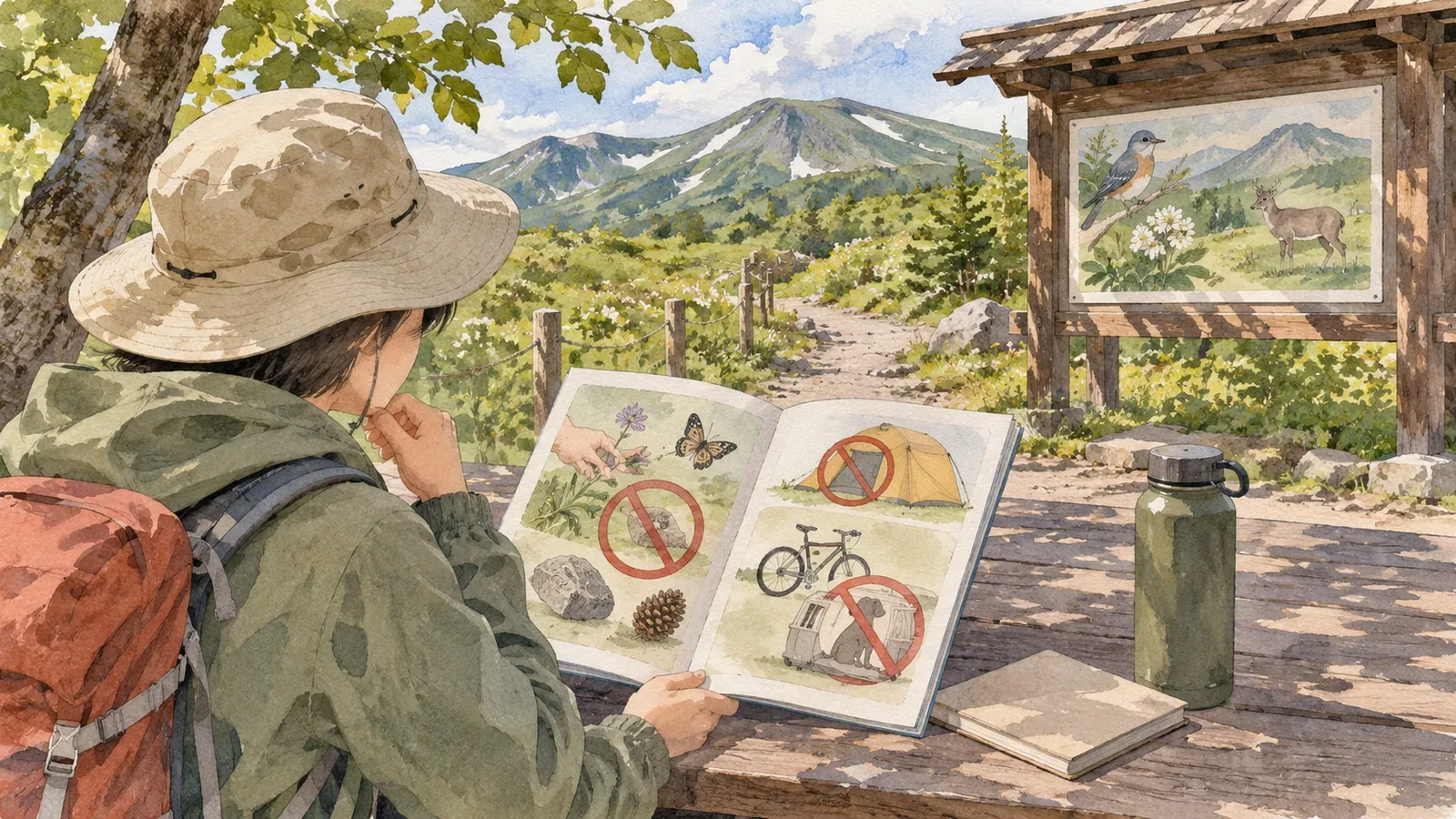
Read park guidance with two questions in mind: what may you take from the park, and what may you bring and use there? Pay attention to the object and the location. Litter you need to carry out and stones you need to leave in place point you to different guidance.
Leave stones where they are and take litter home
The ministry’s guidance asks national park visitors to leave plants, animals and stones where they are and take litter, ash and cigarette butts home. Removing natural objects can affect the ecosystem and leave less for the next visitor to see.
Check what the guidance asks you to take home. The stone was already there. The litter is yours to take away.
Read the general information for visitors alongside the list of activities that require permits or notifications. The latter includes extracting minerals and collecting soil or stone. Check the precise location and activity to learn which rule applies to stone collecting.
What you can collect or capture depends on the zone
Article 20 of the Natural Parks Act requires permits in Special Zones for activities including collecting or damaging plants designated by the environment minister, or capturing, injuring or killing designated animals. The ministry and its Hokkaido office list such activities by zone. In Special Protection Zones, the list also includes collecting plants other than trees and bamboo, collecting fallen leaves and branches, and damaging trees or bamboo.
In Special Protection Zones, collecting even fallen leaves and branches is regulated. Use the responsible authority’s official zoning map to identify the zone you will be in.
Check the law and the park’s guidance for the species covered. The ministry explains that applications are assessed against national and local criteria. Some activities may also require procedures under laws covering wildlife protection, species conservation, cultural property or forests.
Check where and how you can use what you bring
The permit list includes riding or driving vehicles or bringing in horses in designated parts of Special Zones and in Special Protection Zones. Check access conditions if you are planning to visit by bicycle or motorbike. In Special Protection Zones, campfires and stockpiling are also listed as activities requiring permits. In Ordinary Zones, building, altering or extending large structures, installing advertisements and reshaping land are among the activities listed for notification.
A 2011 Chichibu-Tama-Kai National Park notice says that pitching tents is generally regulated by the Natural Parks Act, with exceptions including certain areas and campsites. Check the current conditions with the site manager. The ministry’s Kanto office says flying, taking off or landing a drone in itself requires no permit or notice under the Natural Parks Act. It asks operators to consult land or facility managers, consider wildlife and comply with other rules such as the Civil Aeronautics Act. Ask about separate procedures if you would need to cut vegetation or install a structure.
When you bring something along, check exactly how you plan to use it on site. The ministry’s list includes planting, sowing and releasing animals. If you plan to bring live organisms or seeds, tell the site manager the species and how you intend to handle them.
Put the guidance in three columns before leaving
Sort park guidance into three columns: collecting or removing what is there, bringing in or using equipment or vehicles, setting up items or using fire, and taking home belongings or litter. Mark each entry as a legal requirement, a request from the manager or something to verify. If a zone is mentioned, find out where it applies.
For example, “Leave flowers and stones where they are” goes in the first column, and “Take your litter home” in the third. “Please refrain from riding bicycles here” goes in the second. If the notice gives no basis for the request, mark it for follow-up.
When photographing or writing down a sign on site, first stop on stable ground where you will not block the way. If there is nowhere suitable, leave it for later.
Ask the responsible authority when in doubt
Compare official zoning maps and visitor guidance to check what you may collect, how you may use what you bring and what litter you must take home. If you are unsure which zone or rule applies, tell the responsible authority the exact location and what you intend to do.
References and sources
- Japan Ministry of the Environment: Activities requiring permits or notices in national parks and the relevant forms
- Japan Ministry of the Environment: National park notifications and permit applications
- Japan Ministry of the Environment, Hokkaido Regional Environment Office: Activities regulated in national parks
- Japan Ministry of the Environment: National park rules and etiquette
- Japan Ministry of the Environment, Kanto Regional Environment Office: Using drones in national parks
- Japan Ministry of the Environment, Chichibu-Tama-Kai National Park: Pitching tents outside campsites, 7 July 2011
- e-Gov Laws and Regulations Search: Natural Parks Act