
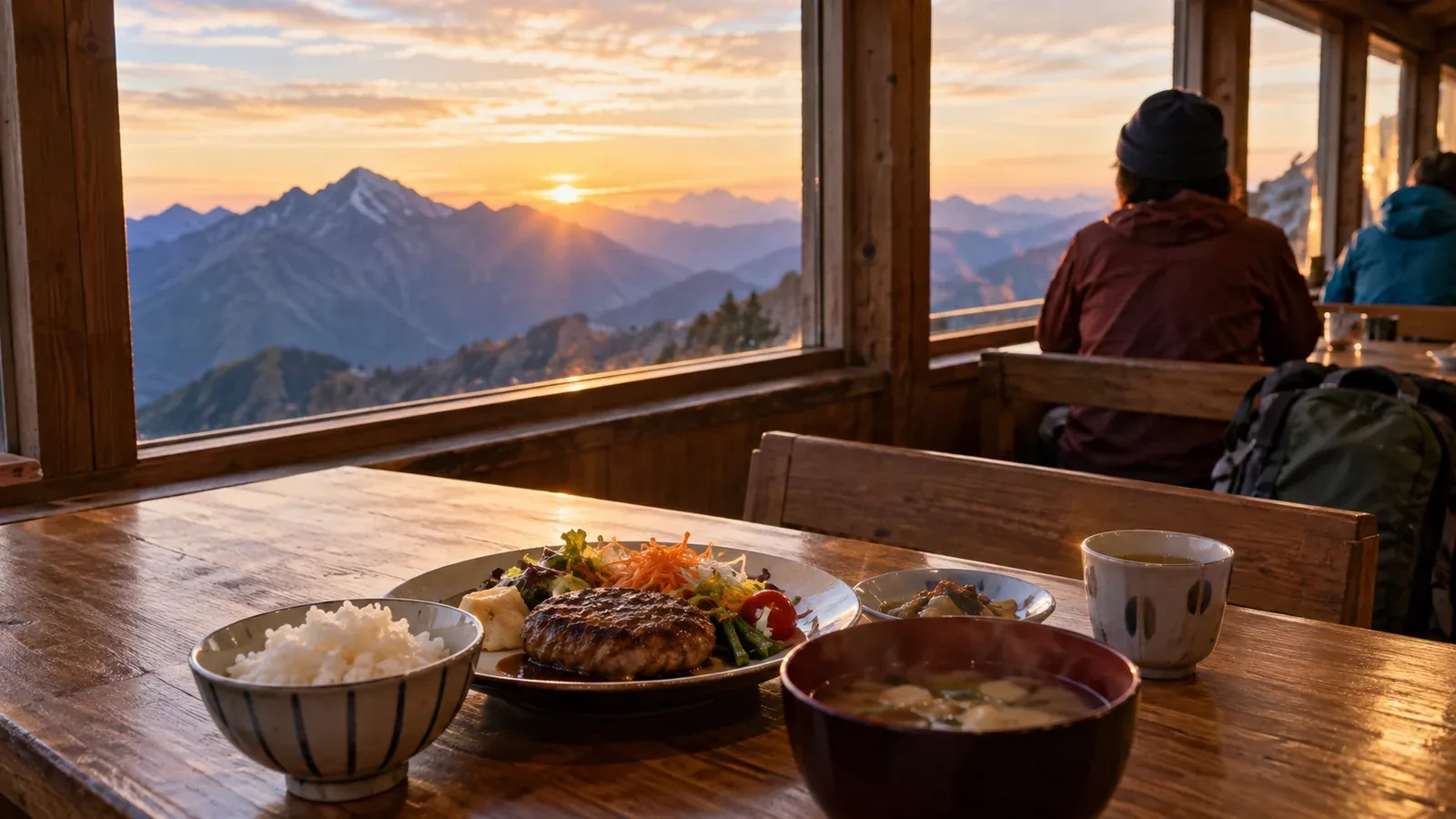
Most hikers searching for a good mountain hut really want one that suits their trip. Rankings and star ratings are easy to spot, but what makes a hut a good choice depends on your fitness, plans, season and route. A hut that suited someone else may be a poor fit for you.
Here’s how to read reviews and meal information to choose a hut. Booking and busy-season basics are covered separately, so we’ll focus on what to look up and how to decide what matters most to you.
What to decide before choosing a hut
What matters depends on the trip. You might be stopping on a day hike, staying overnight on a traverse or looking for a fallback in poor weather. If you’re considering a hut as a fallback, check whether it will be open and how you can reach it safely.
Start by answering these three questions.
- Location on the route: Do you need to stop at this hut to continue, or are there several options?
- Nights and walking time: Will its position affect the next morning’s departure? Is it just below the summit or farther along the ridge?
- Group size and fitness: For a group, check the hut’s policy on private and shared rooms.
With the route and timing in mind, you can spot a well-reviewed hut that’s too far out of the way or a breakfast service that starts after you need to leave. If you can swap breakfast for a packed meal, check when you can collect it.
How to read hut reviews
Reviews in hiking communities and on review sites reflect the visitor’s experience, season, weather and how busy the hut was. A complaint about cramped sleeping space might come from the busiest week of summer. Praise for a staff member might refer to someone who only works that season.
Check the following details before taking a review at face value.
Look at the circumstances
- When the visit took place. A summer holiday and an ordinary weekday can be very different.
- Whether the reviewer is a general visitor, guide or regular. They may have different expectations of comfort.
- What the weather was like. A stay in poor weather can affect someone’s impression.
Look for recurring details
If several people report the same detail at different times, it may be more representative than a single review. Comments about facilities and operations are particularly useful, such as a distant water source, the absence of a drying room or a wake-up call for sunrise.
Check reviews against official information
If a review mentions few toilets, dormitories only or a fixed meal, check with the hut online or by phone. Renovations or policy changes can make older reviews inaccurate. For current details, contact the hut or look up the local authority or managing organization.
What to look for in meal information
What a hut can serve depends on the number of guests, meal times and how supplies reach the hut, as well as how the food is prepared.
How mountain hut meals work
Huts have to transport supplies, secure water and cook with the facilities they have. Menu choices, prices and meal times vary. Check the official information for what’s included and how much it costs.
Reviews that say the meal was good or the portion was small reflect the menu that day and the person’s appetite. Look for photos and serving times to see if the meals fit your needs and schedule.
How to check meals before booking
- Official hut sites or social accounts may have menus and photos.
- For allergies and dietary restrictions, check with the hut when you book. It may be unable to accommodate some needs.
- On a traverse, check whether you can order a packed lunch for the following day.
Self-catering and accommodation without meals
If you want to bring your own food, look for a room-only option or a self-catering area. Check where cooking is allowed, stove rules, water supplies and fees. Factor in the weight of any food and equipment you carry.
Safety considerations when choosing a hut
Safety matters alongside meals and reviews when you’re deciding where to stay.
Emergency arrangements
Huts differ in their communications and first-aid equipment. Some host summer mountain clinics, which open on limited days and hours. Save the hut’s contact details and check escape routes from the trail. Allow for the possibility that rescue or evacuation may take time. Consult a doctor about any health conditions or concerns as needed.
Space during poor weather
A change of plans in poor weather doesn’t guarantee you can get an extra night or an unplanned bed. Check opening dates, capacity and the policy for changing or canceling a reservation. Have a way to turn back early or change your route.
What to check and in what order
Use this sequence to gather information before picking a hut.
- Choose your route and list huts along it. Use maps and hiking information sites.
- Check each hut’s official information. Look at facilities, capacity, meals, bookings and prices.
- Look for details repeated across reviews.
- Check that the information matches your season and the expected crowds.
- Ask the hut directly about anything unclear, such as allergies, private rooms or packed meals.
- Finalize your reservation alongside the weather check and the rest of your hiking plan.
Check Japan Meteorological Agency regional forecasts and alerts as well as a forecast suited to the area and elevation of your hike. Check with the local government or police for hiking-plan filing requirements and access restrictions.
Next steps
With your hiking plan in front of you, start with the official websites of the huts you’re considering. For questions about meals, facilities or busy periods, contacting the hut by phone or email is the surest way to get an answer. Nordwand’s partner directory may also have basic hut details.
References
- Japan Meteorological Agency: regional forecasts, warnings and advisories
- National Police Agency and prefectural police: mountain incident statistics
- Official information from local authorities, visitor centers and hiking information desks
References and sources
- Nagano Prefecture: mountain hut directory
- Hakubakan: hut meals and accommodation FAQ
- Yarigatake Sansō Group: mountain hut visitor information
- Nagano Prefecture: hiking information desks and summer safety information
- Nagano Prefectural Police: summer hiking safety and mountain clinics
- Japan Meteorological Agency: weather forecasts
- National Police Agency: mountain incident statistics