
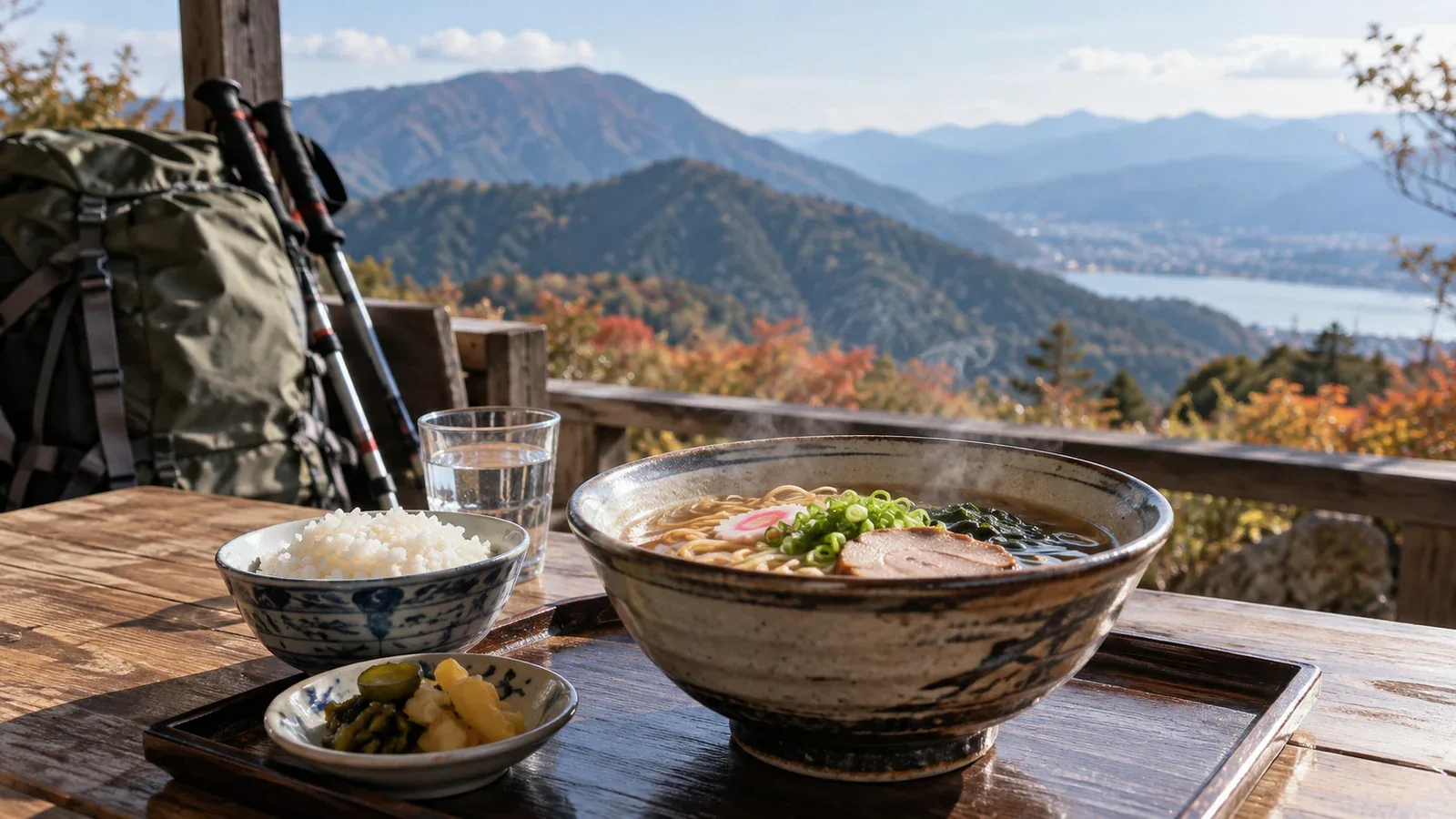
Some days you are suddenly hungry after a hike. Other days you are too tired to eat right away. What and how much you feel like eating can depend on your breakfast, how long you walked and what you had on the trail.
Before you set off, think about where you will eat and drink along the way and what your meal after the hike might look like.
Appetite after hiking varies
A study of hunger and food intake after exercise found differences between individuals. Its exercise sessions were different from hiking, so consider your route and the time between meals as well.
If it has been a long time since breakfast and you ate very little along the way, you may be hungry by the time you get down. On a long walk, keep food within reach and stop somewhere safe to eat.
There may be nowhere to get a meal right after the descent. Check transport and opening hours, and pack something portable if you need it.
How to read calorie estimates
Energy expenditure depends on body weight, pace, pack weight, elevation gain and breaks. A gentle path and a steep climb can feel very different over the same distance.
A watch or app gives you an estimate. Depending on the device, that may mean total energy used during the activity or active energy after subtracting what you would have used at rest. Check the device’s explanation.
When deciding how much to eat afterward, take into account how long you walked, what you ate along the way, how hungry you are and how long it will be until your next meal.
Four ways to plan food and drink around a hike
1. Pack snacks that are easy to reach
Bring familiar foods that travel well, such as rice balls, bread, nuts or a snack bar. On a longer outing, plan to eat a little at safe stopping points. Carry extra in case you take longer than expected.
2. Drink during the walk
Pack fluids for the walking time, temperature and places where you can refill. If it is hot and you are sweating, replenish fluids and salts while resting. Drink after the descent as well, based on your thirst and how you feel.
3. Put together a meal that is easy to eat
For example, have rice or bread with fish, eggs or tofu and a vegetable side. If the journey home is long, pack something you can eat along the way.
If your stomach feels heavy, choose something that feels easy to eat at the time. If you will be travelling for a while, store the food so it stays safe to eat.
4. Pause partway through the meal
Sit somewhere you can eat without rushing and take a moment partway through the meal. If you are still hungry, keep eating.
Eating when you get home late
If you had only a snack after the descent, you may be hungry when you get home. Think about when you will arrive and whether you want a meal or something easy to have ready.
If there is a long wait until your next meal, choose something familiar, such as fruit, yoghurt or bread, if you need it.
Make eating and hiking sustainable habits
Consider hiking and eating as part of your usual routine, beyond the calories used or eaten on any one outing. Schedule rest and food breaks so you can look forward to your next walk.
If you are being treated for diabetes or have limits on food or fluids, discuss how to eat and drink on the trail with your clinician or dietitian.
Plan food and drink for your next outing
Check the map for places to stop, eat and drink, and think about where and when you will get a meal afterward. In the Nordwand community, you can share the snacks you brought and the places where you stopped.