
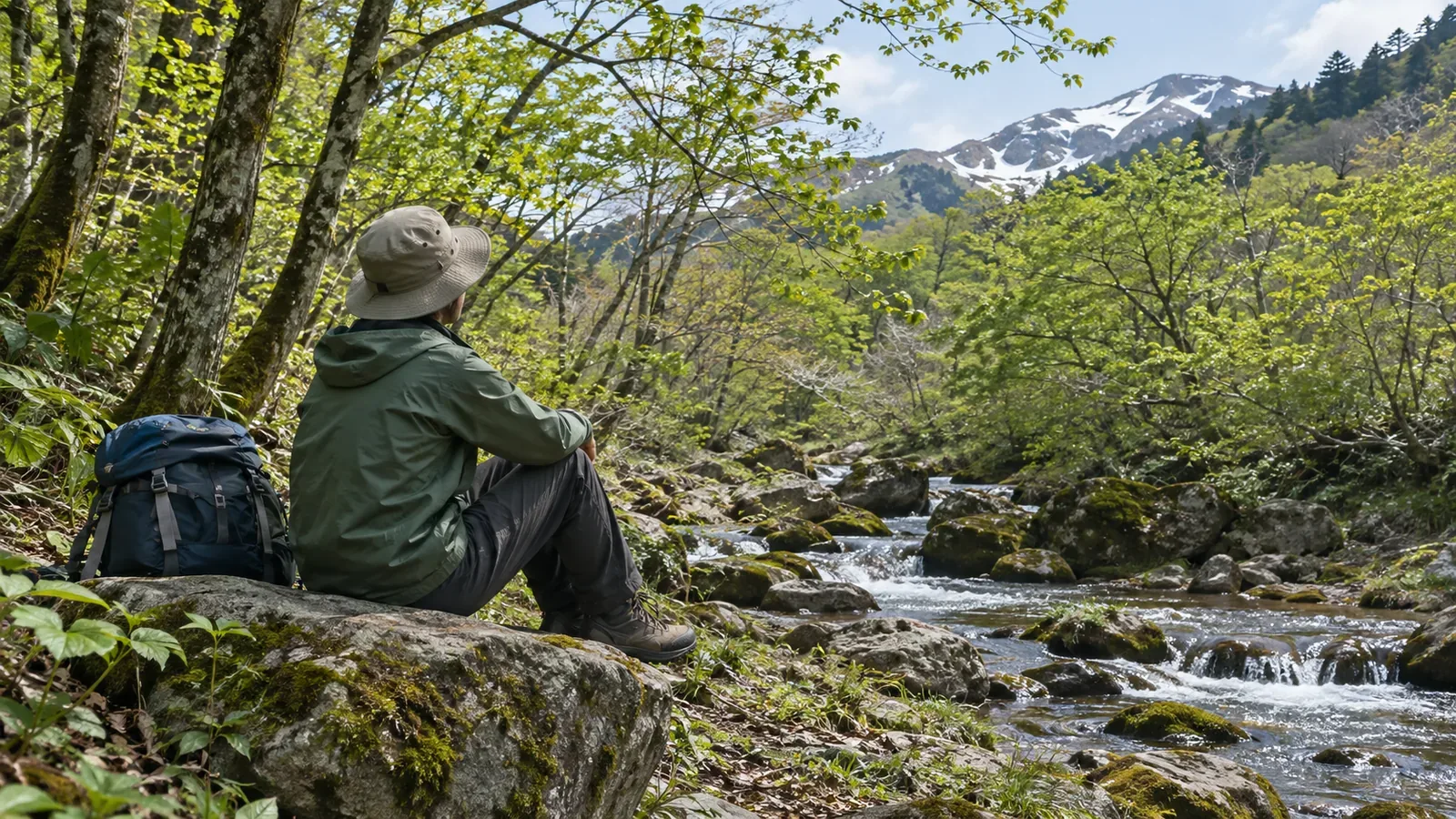
If you want to listen to the same place in different seasons, choose one thing to compare and note when you listened and what conditions were like. The U.S. National Park Service (NPS) soundwalk guide explains how time of day, weather, season and human activity can all change what you hear. Drawing on the agency’s work, we suggest picking one spot where you can easily stop on a hike, then noting the differences you actually hear.
How researchers decide when to listen
The NPS field guide explains that researchers choose the season around the sound they’re interested in. A survey might record in summer and winter to compare when a sound is common with when it is rare. Researchers measure ambient sound levels and identify natural and human-caused sources.
The NPS soundwalk guide offers an everyday version: take the same group along the same route on a different day and listen for changes. Afterwards, gather somewhere safe and discuss what stood out or surprised you. Start by describing in your own words what you heard at the same place on different days.
Two ideas carry over to your own observations: focus on one sound and revisit the spot, noting the time and conditions. A few minutes of listening give you a snapshot. NPS researchers decide how long to monitor based on daily and seasonal variability and practical conditions. In your notes, describe what you heard at the time you were there.
Pick one place and one thing to listen for
The NPS picks sites that represent areas with similar vegetation, terrain, elevation and climate. It also considers wildlife habitat, access and equipment needs. Apply that approach on a smaller scale with a spot like this:
• It has stable footing and enough space to stop without blocking the trail.
• It’s on your existing route and needs no detour or extra time.
• The surrounding vegetation and terrain are easy to describe later.
• If you sense an animal nearby, you can leave without approaching it.
Label what you hear as natural, human-caused or unclear. Olympic National Park describes a range of sounds, from high-country winds and coastal waves to rain in the forest. Its examples include Roosevelt elk calls in the late-summer mating season and Pacific wrens heard alongside rain falling through the canopy during the Hoh Rain Forest dawn chorus. Japan’s Ministry of the Environment also lists diverse soundscapes: church bells, greater white-fronted geese flapping and calling, waterfalls, singing sand and frogs.
These examples come from particular places around the world. For your own spot, focus on water, birds or signs of human activity so you have something specific to compare.
Listen the same way each time
For a seasonal comparison, try to keep the way you listen consistent:
1. At the stopping point, check your footing and surroundings and stand where others can pass.
2. Silence device alerts. Olympic National Park asks visitors to help preserve quiet by silencing devices and switching off vehicle engines.
3. Face the same way, keep the same posture and listen quietly for the same amount of time you chose beforehand.
4. When you finish, stay put and write down the date, time, weather and sounds you heard.
Stop before you write, take a photo or use a screen. If there's nowhere stable and out of the way, put off making notes or skip that session. Start with your ears. If you later bring a recorder, plan separately for battery, storage and settings.
Try out your log before comparing seasons
Make a log on paper before going out. Try seven columns: date, time, weather, natural sounds, human-caused sounds, unidentified sounds, and whether you listened or skipped the visit. Fill in a practice row from a familiar place and label it as practice. Adjust any confusing or impractical columns before the hike.
Keep these points in mind when you compare your entries:
• If you didn't hear a sound, write “didn’t hear it this time.” Weather and time of day can affect what reaches you.
• To get a better sense of what varies within a season, listen more than once in that season. A handful of visits still covers only those particular days.
• The same spot can present different conditions each season. Check current official trail and access information before deciding whether to go. If you can’t get there safely, mark the visit “skipped” and leave the observation fields blank.
• Give wildlife space and listen from where you are. Keep calls and playback off.
In brief: Keep the method consistent and record skipped visits
The NPS chooses survey seasons to suit particular sounds, and its soundwalk guide suggests trying the same route on different days. A brief personal observation tells you what you heard on that visit. Choose one spot and one subject, use the same listening routine at a safe stop, and make a note of visits you had to skip. That gives you something specific to compare across seasons. Try a paper log first and choose a place where you can easily stop on your next route.