
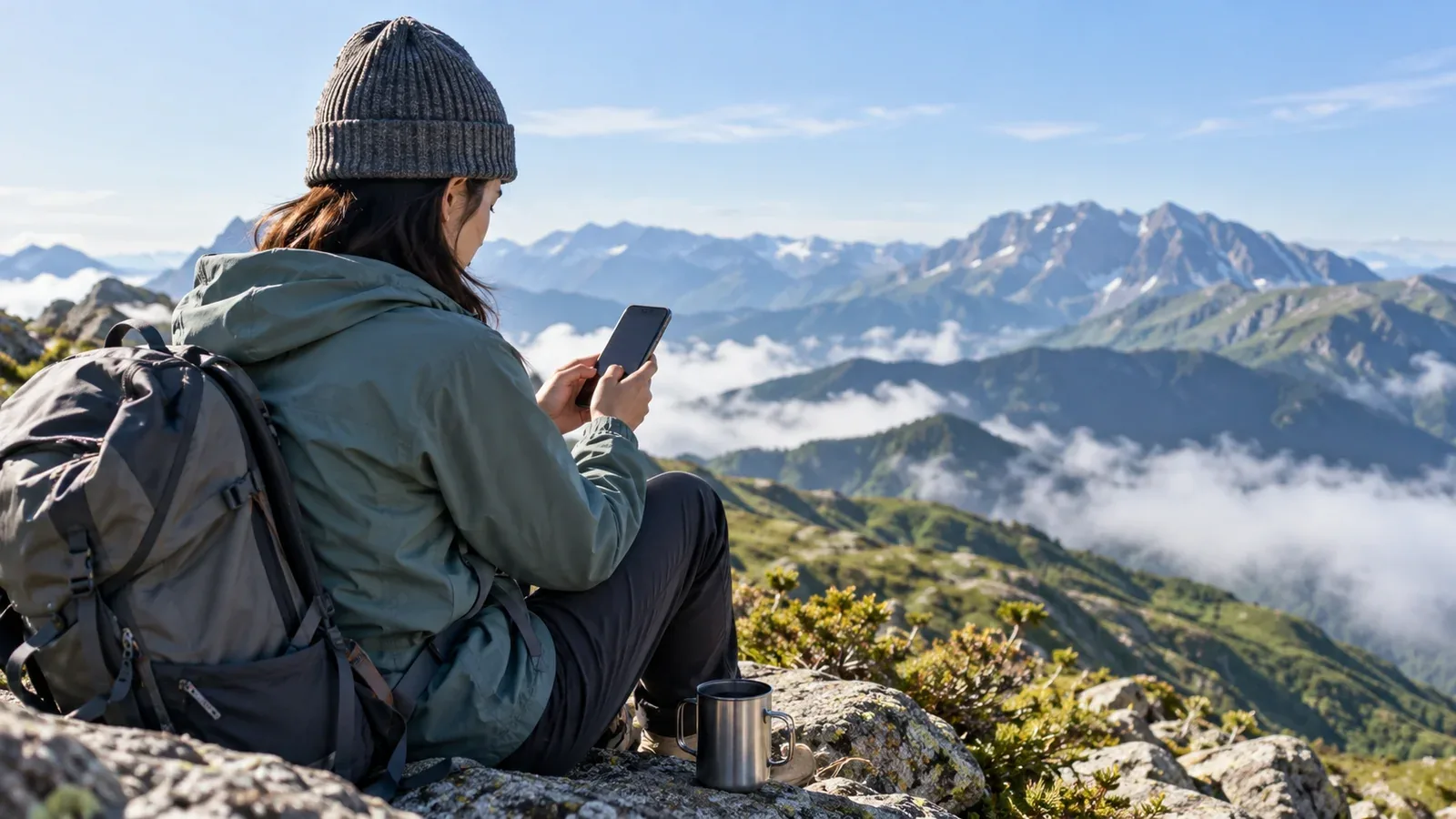
You might want to find hiking partners online or join a community and be unsure what to expect. Groups on social media, app communities, forums and video comment sections all work differently. A first post is more likely to land well if you know what people expect.
Here’s how to recognize the type of group you’ve found, decide whether it suits you and start taking part.
Types of online hiking communities
Most communities have one of three main purposes.
Information exchange: People ask and answer questions about trail conditions, weather and equipment. Examples include forums and specialist social media groups. Accuracy matters, so unsupported claims and old advice posted without context can get a poor response. Beginner questions are often welcome, especially if you explain what you’ve already checked.
Sharing photos and trip records: People post photos and accounts of their hikes. Think of Instagram, YouTube comments or a feed in a hiking app. The conversation is usually about shared experiences. A simple comment such as “Great photo” or “What camera did you use?” can be a natural way in.
Finding hiking partners: These spaces help people find companions for actual outings. Say which routes you can handle comfortably and which areas you enjoy. Share details relevant to the outing. Keep addresses, phone numbers and exact meeting places out of public posts.
A group may do more than one of these things. Look at what most people post to get a sense of the place.
What to check before joining in
Start with the posts people already share and any rules the group has set.
Read older posts
Take a look before posting after approval. Reading twenty or thirty recent posts can show you how much detail people expect, how formal they are, whether they share photos and what kinds of comments get a response.
In a group where experienced hikers mostly post detailed gear reviews, “I’m just starting out. What mountain should I try?” may go unanswered. It may get a better response in a group for beginners.
Read pinned rules and descriptions
Check the group rules, including sections you have to scroll to find. There may be rules about promotion, geographic scope or posting first in an introduction thread. Moderators may remove posts or members who break them.
Writing your first post
If you’re unsure what to write, these examples can help.
Keep introductions brief and concrete. “I’ve been hiking for three years, mostly day trips in the Japanese Alps, and I’ve just started camping overnight” gives people something to respond to. A greeting alone gives them less to go on.
Mention what you’ve already checked when asking a question. “I’m comparing X and Y for breathability. Which works better in the Japanese Alps in summer?” is easier to answer than “Which rain jacket should I buy?” It shows what you’ve already considered.
Give readers one useful detail in a trip report. Along with saying you enjoyed the hike, mention that the slope below the summit was still wet in October when you visited and that the descent needed care. A concrete observation gives the community more to work with.
Common sources of conflict and how to avoid them
People can disagree strongly in hiking communities because the information can affect someone’s safety.
Be careful with absolute claims about a route. The season, weather and a person’s skills can all change what’s appropriate. Calling a route easy for all beginners can mislead someone facing different conditions. Say when you went, what you found and which conditions your advice applies to.
Name your source for safety information. Changes to access rules and trail closures can affect plans. Say where you verified the information, such as the trail manager, local authority or hut.
Offer an alternative when raising a concern. If a piece of gear may be unsafe, explain why and suggest what could work better for that situation. It gives the other person something concrete to consider.
Staying involved over time
People come and go in online groups. These habits can help if you want to keep taking part.
Follow up after receiving help. Thank the person who answered and tell them what happened when you tried their suggestion. That can keep the conversation going and help the next reader.
Notice whether the group suits you. If your posts regularly go unanswered or leave you drained, look elsewhere. Narrow your search by purpose, area or hiking style to find a better fit.
Use online exchanges to meet people in person. Getting to know reliable hiking partners can be a lasting benefit. For a first meeting, choose a busy public place or a short organized group hike.
What to do next
Pick one area or style that interests you and look for a related community. Read past posts and rules first. When you introduce yourself, say how long you’ve hiked and what you’re looking for. Nordwand’s Base Camp and interest-based communities can help you find nearby hikers or people with similar goals. See the official Nordwand site for details.