
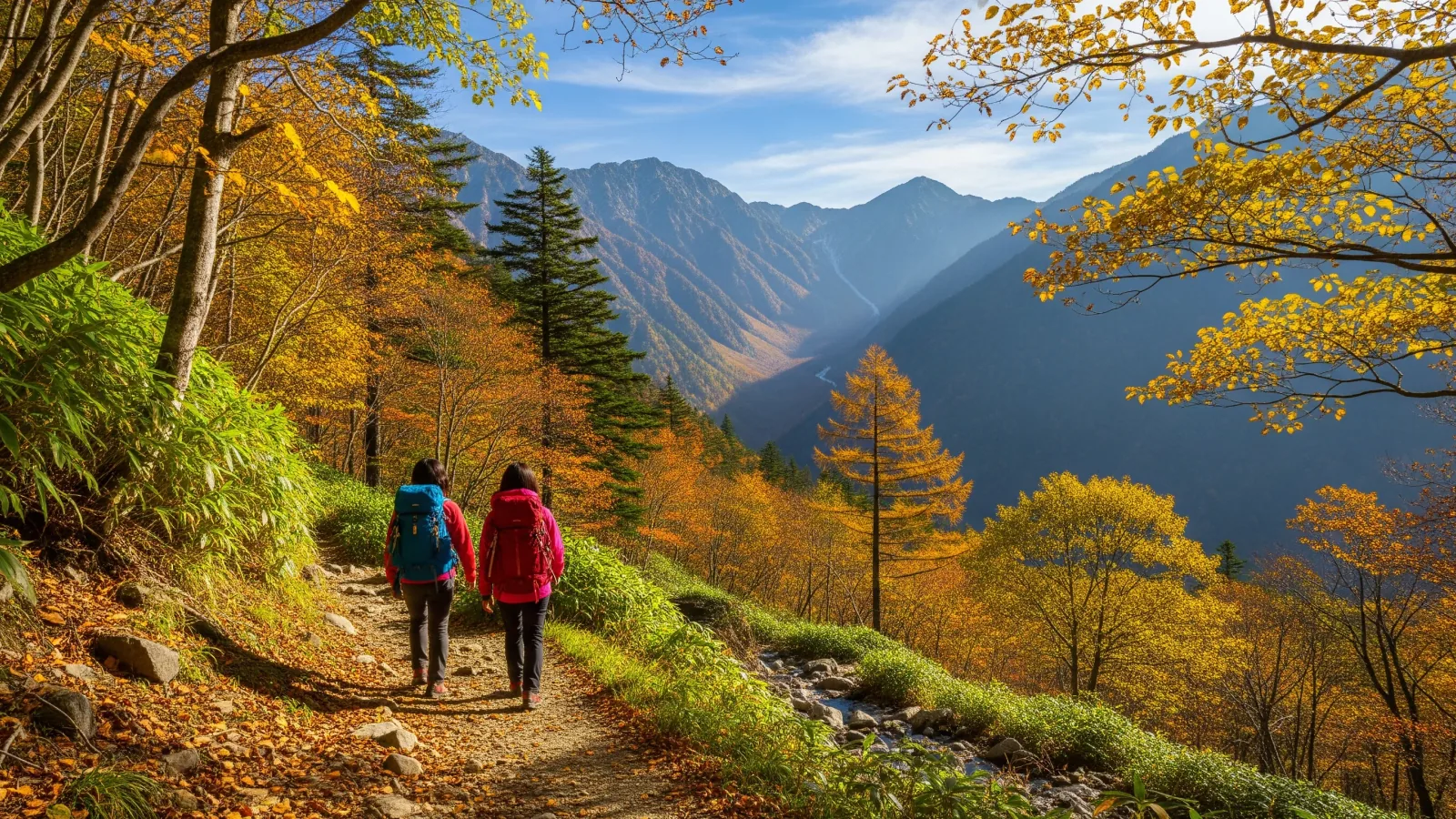
You have started hiking on your own and would like someone to share the trail with. In Japan, three common places to look are hiking apps and online communities, informal hiking groups, and membership-based mountain clubs. Each asks for a different level of commitment. Here is how to compare costs, pace and safety practices before joining an outing.
What a hiking partner can bring to a day out
Hiking alone gives you control over your day. Walking with someone adds a second perspective and a chance to share what you learn.
One benefit is having someone nearby to help. If a hiker falls, becomes unwell or misses a junction, a companion can stop with them, check the route and get help. Each person should still know the plan and carry the gear they need. Share the route and expected return time with someone off the mountain.
Learning from each other starts with everyday decisions. A companion can show you how they read the terrain at a junction or choose a steady pace on loose ground. If a skill is unfamiliar or safety-critical, such as rope use, learn it with a qualified instructor in a suitable setting.
Having a date on the calendar can keep you motivated. It can make it easier to train regularly and put time aside to check equipment and weather together.
Three places to look for hiking partners
Compare what you need from the group and how often you want to take part.
Hiking apps and online communities
A hiking app or social group can put you in touch with people interested in the same region or kind of outing. Nordwand lists hiking groups and activities, including opportunities to look by area, date or experience.
- Advantages: You can browse at your own pace, look beyond your immediate area and exchange route notes before committing.
- What to check: A profile gives limited information about someone’s skills or conduct. Discuss plans first, keep personal details private and choose a simple daytime outing for a first meeting.
A recent trail report can help you prepare a question for the organizer. Check the report’s date and exact location, and confirm closures and weather through official sources.
Informal hiking groups
Local groups often advertise day hikes on community boards or social media. Check how the organizers welcome new members and how they describe their usual walks.
- Advantages: An open event can give you an idea of the group’s pace and atmosphere before you make a longer commitment.
- What to check: Ask who leads, how difficult the planned route is, what costs or insurance apply and what happens if someone needs to turn back.
Look for people who discuss the forecast, plan for the slowest hiker and explain decisions clearly. Ask what the group does if weather worsens or a member is struggling.
Membership-based mountain clubs
Local mountain clubs vary in size and focus. Some are affiliated with prefectural federations listed by the Japan Mountaineering and Sport Climbing Association (JMSCA). The Japanese Alpine Club is a separate national club with regional branches.
- Advantages: Some clubs offer regular practice in navigation, first aid or more technical skills, along with outings of different difficulty.
- What to check: Confirm current joining and annual fees, training costs, attendance expectations and any duties members share.
Look at recent trip reports and ask the club about an introductory meeting or visitor hike. Beginner programs and trial visits vary by club.
How to choose a group that fits
Start by choosing for your current needs: people to exchange information with, a regular outing or instruction in particular skills.
An app is one place to start looking. A local group can offer recurring walks, and a club with a relevant training program can help you work toward more demanding routes.
You can use more than one route to find people. Try an introductory event, then decide whether you want to join a regular group or pay for training.
For a first outing together, choose a short, familiar trail with reliable access and an easy return. Agree on pace, breaks, the turnaround point and emergency contacts. See how the group communicates while you walk.
Putting it into practice
Compare apps, informal groups and mountain clubs on cost, commitment, the type of hiking and the way they handle safety. A straightforward first outing can help you decide whether to hike together again.
When people share what actually happened on a trip, the whole group can learn from it. Bring the same care to passing on information as you do to choosing a route.