
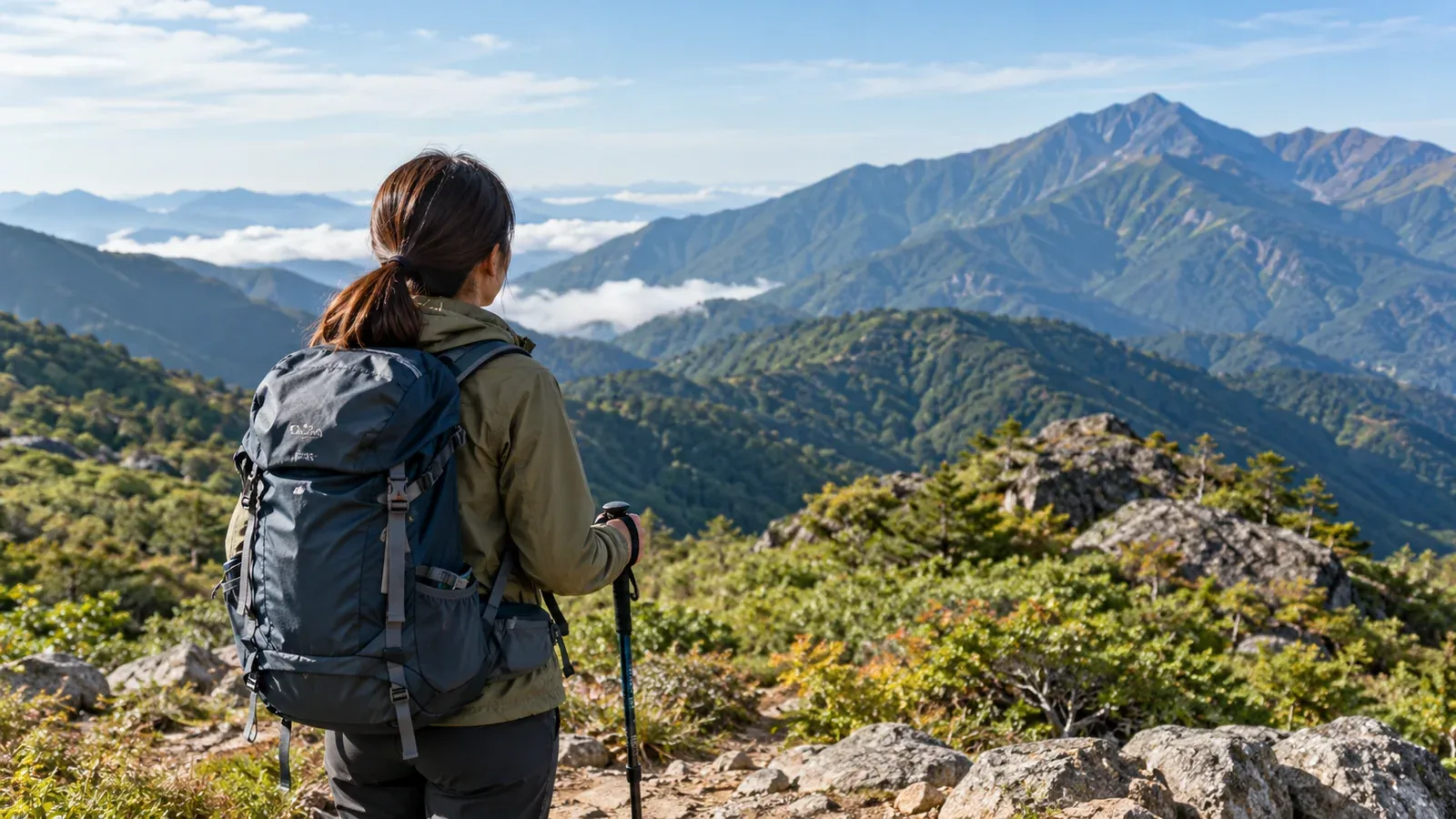
A recent bear sighting near your trailhead can change your plans. Check for bear activity and closures before a hike, just as you would check the weather.
Prefectures, municipalities, park offices, the Forestry Agency and mountain huts publish different pieces of the picture. Here is how to find information for your route and assess how current and precise it is.
Why reports come from different sources
Under Japan’s wildlife protection and management law, prefectures can draw up management plans for specified wildlife. Sightings and closures are also reported by municipalities, police, park staff and other managers. A mountain may span several jurisdictions. A municipality can have information about a sighting near homes, while a park office or hut can have updates for a particular trail.
Start with prefectural and municipal sources
The Ministry of the Environment links to regional bear information. For example, Hokkaido provides a directory of municipal brown bear information, and Nagano publishes a map of Asiatic black bear reports. Check the entries for the exact route, including trailheads and descent options.
Municipal websites and official social accounts may post more local notices. Check the date of the sighting as well as the date of the page. Where a route crosses a boundary, check the authorities on both sides.
Use this sequence to find the right source.
- Search the prefecture name with 「クマ出没」 (bear sightings) and open its official page.
- Search the municipality name with 「クマ」 (bear) and check its website or official updates.
- If the route crosses prefectural or municipal boundaries, check each area.
Check the Forestry Agency, the environment ministry and national parks
For a route through a national forest or national park, check the relevant Forestry Agency office and park management notices. A closure or restriction may appear in a separate notice from the general sighting map.
The environment ministry publishes national summaries and local park notices. Prefectures compile sightings using different methods, so national totals give background rather than a trail-by-trail picture. Check the current closure notice or ask a visitor center about access. Follow any closure in force.
Ask a hut, trailhead office or park staff
A website can lag behind reports received in the area. If you need more recent information, contact the hut, visitor center or trail manager and ask about the exact part of the route.
Check a hut’s official announcements or ask about sightings when arranging an overnight stay. Ask whether a report has been confirmed, where it was and whether any route advice has changed.
Read signs at the trailhead or visitor center before setting out. A local notice may include a recent sighting or temporary restriction.
Check the date and the location
Use both when deciding whether a report changes your plan.
Recency. Check when the bear was seen and when the entry was posted or updated. An old report does not tell you where the bear is now. A recent date on the page does not mean every entry is new.
Location. A named trail junction or mapped point is more useful for a route than a municipality name alone. Check whether the spot is on your route, close to an exit or in a different valley. Read the legend to distinguish sightings, tracks and other reports.
An empty map area can mean nobody reported a sighting there. It is still possible to encounter a bear. If notices or conditions raise concerns, change the route, wait for an update or choose a different outing.
Before your next hike
Bookmark the prefectural and local sources and check them again shortly before leaving. Read the signs at the start. If you are passing a hut, ask about the stretch ahead. Nordwand’s Base Camp can help you compare recent accounts with the official notices.
References
- Japan Ministry of the Environment wildlife management information
- Forestry Agency national forest information
- Prefectural and municipal bear reports
- Japan’s wildlife protection and management law
References and sources
- Japan Ministry of the Environment — Regional bear information directory
- Japan Ministry of the Environment — Provisional nationwide reports
- Forestry Agency — Bear safety in the Kanto Forest District
- Hokkaido — Municipal brown bear information
- Nagano Prefecture — Asiatic black bear report map
- Shiretoko National Park — Brown bear safety and local notices
- Japan’s wildlife protection and management law