
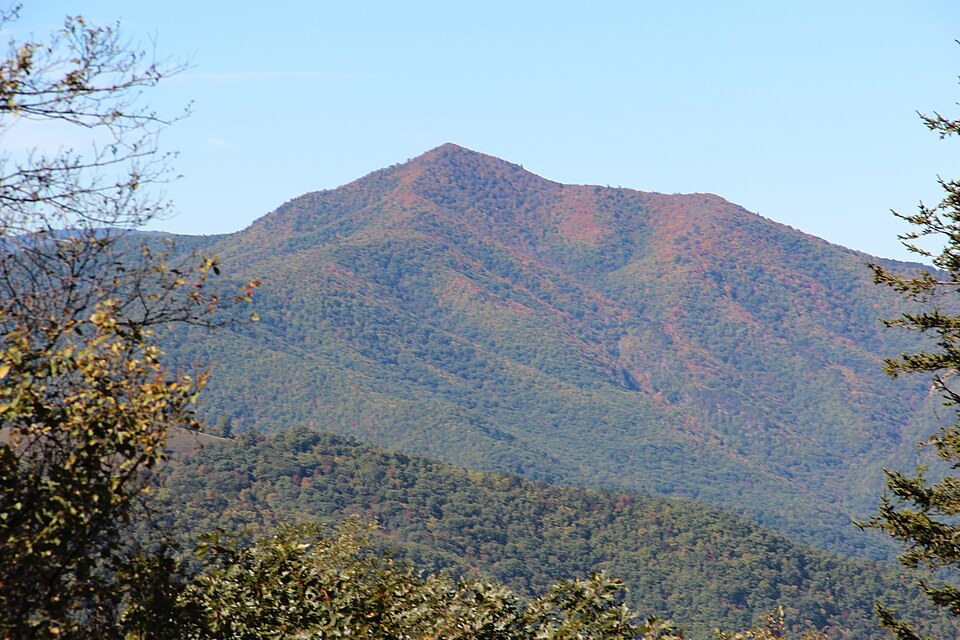
The Wilderness Setting
The USGS mineral survey of the Shining Rock Wilderness gives Cold Mountain a reading of roughly 6,030 ft. The Forest Service trail inventory identifies the summit within the Art Loeb trail corridor, which traverses a section of the wilderness characterized by open balds and mixed forest.
Within the same wilderness, Grassy Cove Top carries a USGS reading of roughly 6,040 ft at a separate location. The two readings indicate the compressed elevation range among Shining Rock's upper summits, without establishing a formal ranking among them.
Charles Frazier's Novel
Charles Frazier took the mountain's name for his first novel, published in 1997. The book draws on American Civil War history and, as North Carolina historians have noted, on family stories and broader Appalachian heritage. The narrative follows a Confederate deserter's journey back toward Cold Mountain and toward a woman waiting there — a story the North Carolina Department of Natural and Cultural Resources connects to sources in regional oral tradition and in the author's own ancestry.
Cold Mountain won the 1997 National Book Award for fiction, as recorded by the National Book Foundation. Its success brought sustained attention to this corner of the southern Appalachians as a named and storied place.
The Film Adaptation and Its Locations
A screen adaptation appeared in 2003 under the Miramax label, drawing the novel's Civil War story to a wider audience. A contemporaneous publication from the U.S. Department of State documents that some production filming took place in Romania's Carpathian Mountains, where those landscapes stood in for Appalachia on screen.
The gap between the story's North Carolina setting and the Romanian landscapes used as its visual double became part of the film's documented production history. The real Cold Mountain summit in Haywood County and the Carpathian locations used for portions of the production are geographically and geologically distinct.