
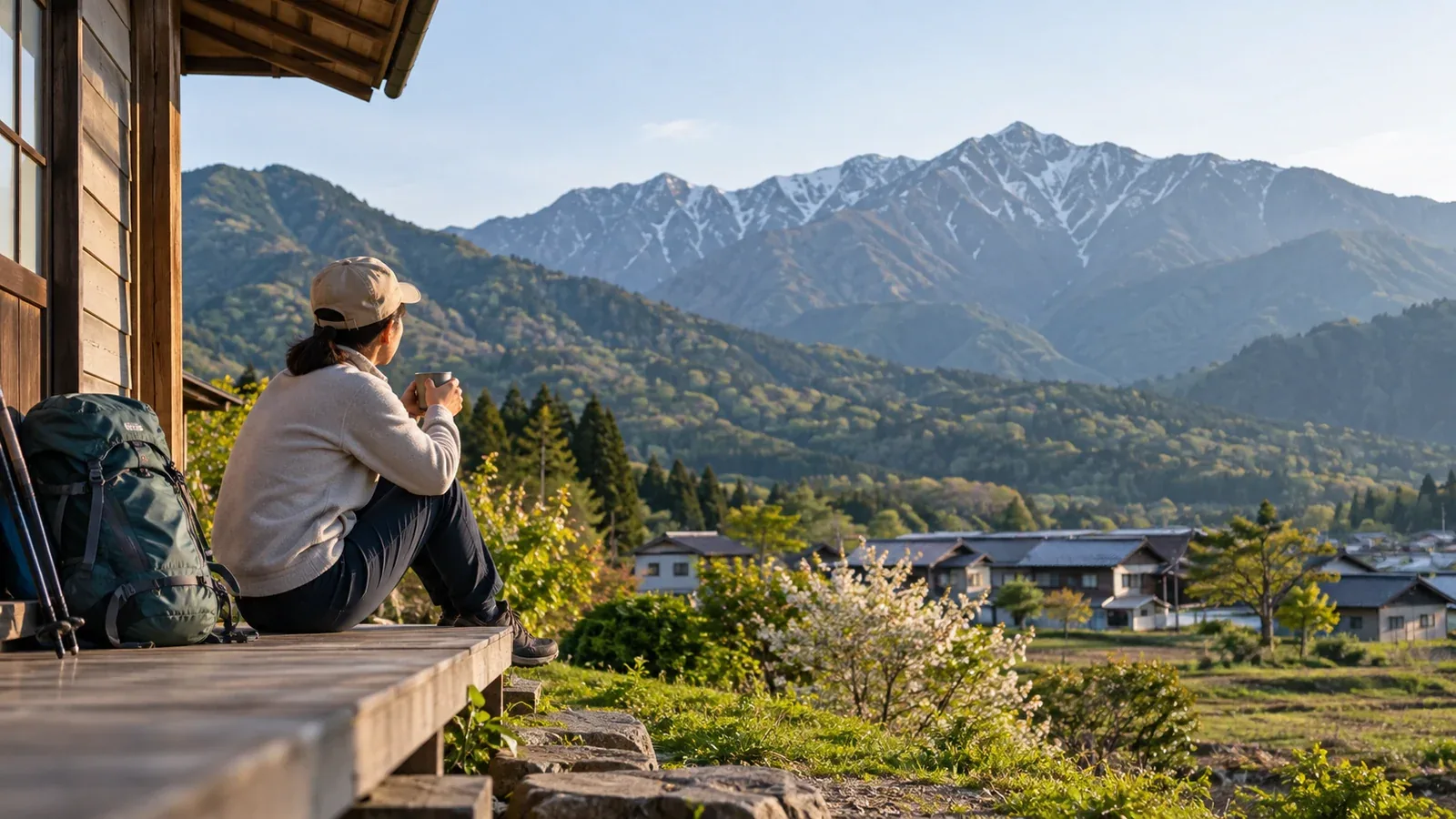
If you hike regularly, it’s natural to think, “I’d like to live near my favorite mountains.” After spending time and money traveling every weekend, a home at the foot of the mountains can start to look like a practical option.
Moving takes planning beyond what you’d do for a hike. Alongside access to the mountains, this article looks at what to check about daily life, work and your relationship with the community.
How living near the mountains changes your hikes and daily life
The first change you’re likely to notice is what it takes to get to a trail. If the trailhead is a 15- to 30-minute drive away, you might be able to go out early on a weekday and get back in the afternoon. You’ll have more chances to see how trail conditions and weather change through the season.
The terrain, hazards and limits of your fitness still matter when you live nearby. Familiarity can tempt you to prepare less or try an unrealistic route. Think about how you’ll keep planning trips carefully after the move.
Prices and access to services differ from city life. In some towns you’ll need to drive to the supermarket or hospital. Check whether you can buy and repair gear locally or will rely on delivery. Use a map to find the places you’ll need, and check travel times in person.
Planning work and income
Work and income are major factors in a move. Tourism, farming, forestry, hospitality and construction may be options, but jobs, pay and contract lengths vary by place and occupation. Use your current income as a benchmark and look at what a job would pay across the whole year.
Three ways of working are worth considering.
- Remote work. Move after switching your current job to remote work. Even in fields such as IT, writing or design, check where your employer allows you to work and how often you need to come in. Check service availability at the exact address and test the connection in person if you can.
- A new job in the area. Look for local work as a mountain guide, hut worker or outdoor instructor, or in agriculture or tourism. Some jobs are seasonal and earnings can vary, so budget for a full year.
- More than one job. Combine remote income with local work. That spreads your income across sources. Check when commitments might overlap and what your employer allows you to do on the side.
For any of these options, estimate moving costs and monthly expenses. Work out how many months your savings would cover if your income fell or a job started late. How much you need depends on your household, housing costs and job prospects.
Building relationships with neighbors and fellow hikers
Hikers who move to a mountain town sometimes discover that neighborhood life and the hiking community have different rhythms.
Mountain villages have local events, shared work on roads and irrigation channels, agricultural associations and volunteer fire brigades. What people do and who takes part vary by neighborhood. If you’re considering a place, ask the local authority and residents how people usually get involved.
Getting to know local people can help you learn things a map won’t show, such as trail conditions, paths that people have used for years and how the weather changes there. Local knowledge can point you toward what to verify about current conditions and access.
Local hiking clubs, guide associations, hut volunteering and hiking events can help you meet people. Sharing trip reports and joining activities before moving can make it easier to build a network after you arrive.
Choosing the area where you’ll live
Choosing a place because you love one mountain can lead to an awkward fit. Consider the following together.
How long the hiking season lasts. In areas with heavy snowfall, winter changes which routes are accessible and what skills and equipment you need. Check closures and travel restrictions and decide whether you want to keep going into the mountains in winter or spend that season on other activities.
How the area fits the kind of hiking you do. A base for day hikes calls for different terrain than one for climbing streams or rock. A peak from Japan’s One Hundred Famous Mountains can be a draw. It may still be too demanding or awkward to reach for everyday hikes.
Relocation support. Some mountain municipalities offer help with housing, starting a farm or setting up a business. Programs vary by municipality and can change. Check with the relevant office.
Access to health care and schools. How often you need appointments or school travel and how you’ll get there depend on your household. Check the distance to emergency care, winter road conditions and how children would get to school.
Trying a short stay before moving
Some local authorities offer trial stays or workation programs that let you experience life in the area for a few days or weeks. Check the duration, costs and eligibility of each offer.
During a trial stay, take time to check what an ordinary day would be like.
- What the town is like on weekday mornings and evenings, compared with a weekend visit.
- Where supermarkets, pharmacies and gas stations are, and when they open.
- Whether you’ll have chances to join local events or neighborhood gatherings.
- How long it actually takes to get to trailheads, taking traffic and snow into account.
- Whether you’ll get a chance to talk with people about local jobs and income.
Look for trial stays on prefectural or municipal relocation websites or in the land ministry’s material on living across two locations. Ask the program operator about availability and current terms.
What to do next
Check the municipality’s official site or relocation service for support programs, access to medical facilities, winter snowfall and snow clearing. Once you find a home, ask providers what service they can supply to that address. If possible, try living your normal routine there during a short stay before deciding. In Nordwand’s community you can also talk with hikers who already live in the area.
References
- Overview of Japan’s rural revitalization program (Ministry of Education, Culture, Sports, Science and Technology)
- Living across two locations: policy and local initiatives (Ministry of Land, Infrastructure, Transport and Tourism)
- Examples of local relocation support (Nagano Prefecture)
- Winter life and neighborhood activities in Omachi (Omachi City, Nagano)