
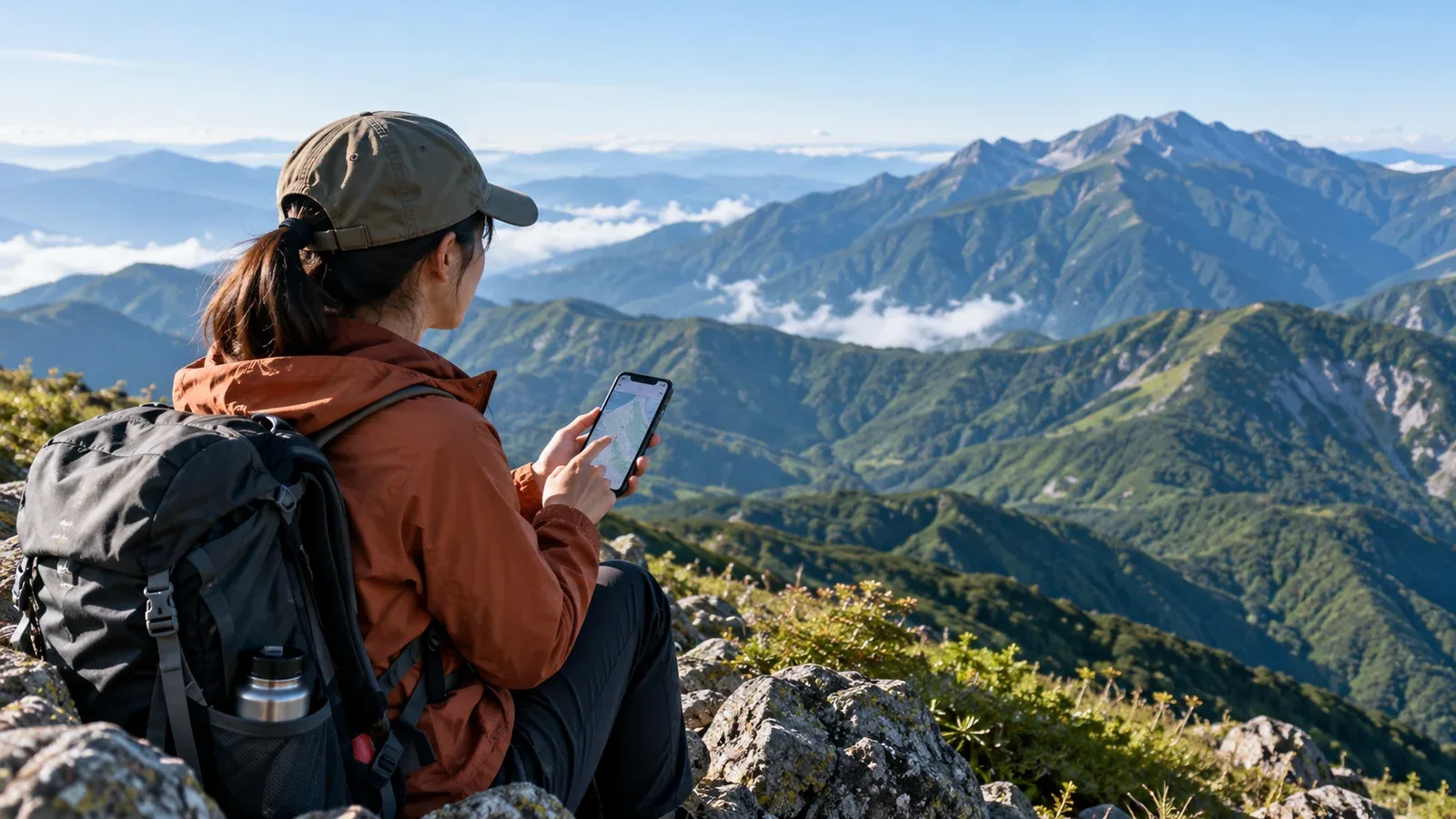
If you love hiking and want to use that experience at work, there are options beyond guiding or working at a hut. Hiking apps and outdoor media turn problems and questions you encounter in the mountains into digital products and articles.
This article explains the jobs available at hiking app and outdoor media companies and how each uses mountain knowledge and digital skills. It also looks at ways to enter the field without direct experience.
What hiking app and outdoor media companies do
Digital hiking services fall into three broad groups.
First are hiking apps. These can help users find routes, connect with a community, share trip records or find guides. Second are outdoor publications and online magazines. They offer gear reviews, technical advice and local information through articles and video, and may earn money through ads, affiliate links or paid memberships. Third are online shops and gear comparison services, which focus on how people choose and buy equipment.
All three need a mix of understanding hiking and making digital products or content. The work sits where technology and the outdoors meet.
Main roles and the skills they require
Product manager (PM)
A product manager defines features and development priorities. They decide how an app can help users do things such as log a hike quickly after getting back or find beginner-friendly routes.
Hiking experience helps you consider which map information is useful on the trail or when a weather alert would help. Product managers talk with users and test in the field. They also coordinate with developers, write specifications and set key performance indicators to track progress.
Content editor or writer
Editors and writers produce articles, video scripts and social posts for publications or an app’s magazine. They combine hiking knowledge with editing, structuring content and search engine optimization (SEO).
Editors think about the words readers search for, which questions one article should answer and how to keep a piece accurate and easy to read. Writing skills also need to be backed by reliable gear and safety information, since errors can undermine trust in the service.
UX and UI designer
Designers shape screen layouts, navigation and how a task flows. In mapping and trip log apps, hiking conditions matter: controls users can operate in gloves, colours that remain easy to see, and features that work offline. Skills include interface prototyping tools such as Figma and interviewing users.
Data analyst
Analysts use data about which routes people view and which features they use to help improve a service. They may use SQL or Python. Knowing about autumn foliage or forecasts of bad weather can suggest why numbers changed. Check other possible factors before reaching a conclusion.
Customer support and community operations
This role answers user questions and looks after online communities. Basic hiking knowledge helps with questions about route displays, activity records, posts and gear. Staff also organize requests and decide when to pass them to technical teams or a safety contact.
Can you enter without a tech background?
How much you use hiking knowledge and digital skills depends on the role. Think about where your experience already helps and which skills you want to develop.
If hiking is your main strength, writing or editing may be a good starting point. Publishing a blog or social posts can help you learn article structure, basic SEO and editing. A portfolio gives employers work to assess. Content experience can also lead to product management or community operations.
If technology is your main strength, you can bring design or development experience from another field to an outdoor service. Companies differ in how much hiking experience they want and what training they offer. For safety or route planning features, test in the field and seek input from experienced hikers or specialists.
Read job listings for the work involved, the tools used and the outdoor experience expected. Looking at both tech and outdoor job boards helps you see how the roles differ.
Starting with freelance or part-time work
If you’re not ready for a permanent role, freelance or part-time work can be a way into the field.
Some companies commission writers, photographers and illustrators. Taking part in beta testing or user interviews can show you what problems users face. Whether participation can lead to contract work or a job depends on what the company is offering.
As a freelancer, confirm copyright and how the client can use the work in the contract. Clearing up those terms before you start can prevent disputes later.
Who may enjoy the work
These habits help turn a love of hiking into work in this area.
- Explain what happened on a hike, including why you chose a route or what went wrong.
- Ask why a digital service works the way it does and how you might change it.
- Keep learning about mountain safety, weather and terrain.
- Work with a team and produce something by a deadline.
If you do your best work in the mountains and find desk work difficult, guiding or hut work may suit you better. Try a small freelance project or publish something on weekends to see which kind of work you enjoy.
Where to start
Read several listings that interest you and note which skills and experiences recur. If you want to write or edit, build a portfolio with a few articles you can publish. In the Nordwand community, you can exchange ideas with hikers who are interested in the same work.