
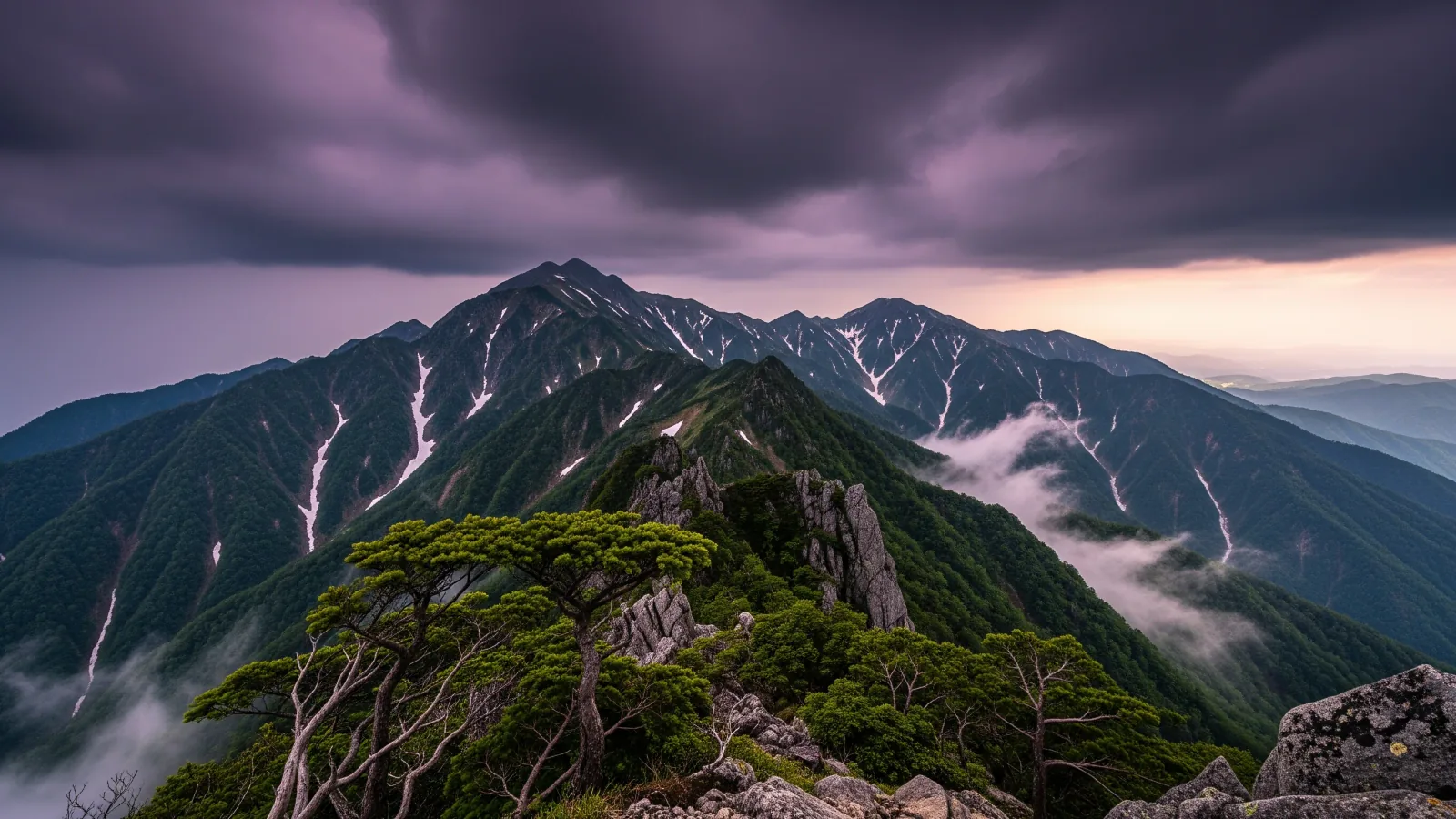
The sky was clear a few minutes ago. Now clouds are closing in, and you hear a low rumble of thunder while crossing a ridge. That sound is enough to act on. This guide covers what to look for before a storm, where to take shelter and how to reduce your exposure if a storm catches you on the trail.
Why lightning is especially dangerous in the mountains
Mountain routes can put you on exposed terrain with a long way to go before you reach real shelter.
First, high, exposed terrain is hazardous during a thunderstorm. You cannot infer how much time you have from the height of the clouds or the distance you think the storm is from you. A strike can occur outside the area where rain is falling. Leave exposed terrain as soon as conditions threaten.
On a ridge or summit, you may be the tallest object nearby. Lightning can strike those exposed areas or travel through nearby objects and the ground.
Mountain weather can change quickly. A clear summer morning can give way to rapidly developing storm clouds later in the day. Check the forecast for the mountain itself and plan an early exit from exposed sections when storms are possible.
A common mistake: sheltering under a tree
Standing under an isolated tree is dangerous. If the tree is struck, a side flash can jump to a person nearby. Current can also spread through the ground. Move well away from tall, isolated trees and their branches and keep heading toward suitable shelter.
Three signs of an approaching storm
Look for developing storms early enough to act. Any thunder or nearby lightning means it is time to seek shelter.
1. Watch clouds build upward. Rapid vertical growth and a spreading, anvil-shaped top are signs of a developing or mature thunderstorm. Check the sky regularly, especially before entering an exposed section.
2. Take thunder seriously, even when it sounds distant. The sound tells you that lightning is already occurring nearby. Move toward shelter immediately. Rain and a visible flash can both be absent at your location.
3. Do not wait for static sensations. Hair standing on end, tingling skin or buzzing equipment may indicate an intense electric field, but a strike can occur without these signs. Act on the storm and the thunder well before you notice anything like this.
What to do when a storm catches you on the trail
Go to suitable shelter if you can reach it. If you cannot, reduce your exposure as you move to a safer location.
First choice: go inside a substantial enclosed building or a hard-topped metal vehicle. Use a substantial enclosed mountain hut if one is available. In a wooden building, the Japan Meteorological Agency advises keeping at least 1 m from electrical equipment, walls and ceilings where possible. Keep vehicle windows closed. Wait at least 30 minutes after the last thunder before going back outside. A tent, open shelter or small rain shelter offers no reliable protection.
If you cannot reach shelter immediately, reduce your exposure. Leave summits and ridges for lower terrain as quickly as the route safely allows, staying away from watercourses and flood-prone gullies. No crouching position makes you safe outdoors. Keep moving toward suitable shelter when it is safe to do so.
- Choose a lower route that stays within your ability and avoids cliff edges.
- Give tall isolated trees, poles and metal fences a wide berth.
- Avoid streams, ponds and places that may flood during heavy rain.
- Continue toward suitable shelter instead of waiting in a tent or under an overhang.
Do not lie flat on the ground. Current can travel through the ground from a nearby strike. Lying down increases your contact with it.
When hiking in a group, spread out while staying in contact as terrain allows. This reduces the chance that one strike injures several people. Agree on a safe direction of travel so nobody gets separated.
What to avoid
- Taking refuge under isolated trees or against their trunks.
- Holding umbrellas or trekking poles above your head on exposed ground.
- Spending time removing metal objects instead of finding shelter. Metal conducts electricity, so avoid contact with fences and similar objects.
- Entering a streambed or narrow gully where rising water or a flash flood could trap you.
Plan, avoid exposure and take shelter
Check the forecast, avoid exposed terrain and take shelter early. Before setting out, check the mountain forecast and thunderstorm advisories. Identify enclosed shelter and turn-back points. Leave exposed sections ahead of forecast storms and change the route or postpone if you cannot do that safely.
Even if the sky above you is clear, thunder is your signal to seek shelter immediately. Agree on the plan with your group before you set out.
Check the Japan Meteorological Agency’s Lightning Nowcast and current forecasts. If someone is struck, make sure you can approach safely and call 119 or 110 in Japan. Follow the dispatcher’s instructions for first aid.
References and sources
- Japan Meteorological Agency — Lightning safety
- Japan Meteorological Agency — Lightning Nowcast
- US National Weather Service — Lightning safety outdoors
- US National Weather Service — Why crouching does not provide safety
- US National Weather Service — First aid after a lightning strike
- Government of Japan — Mountain rescue and emergency numbers