
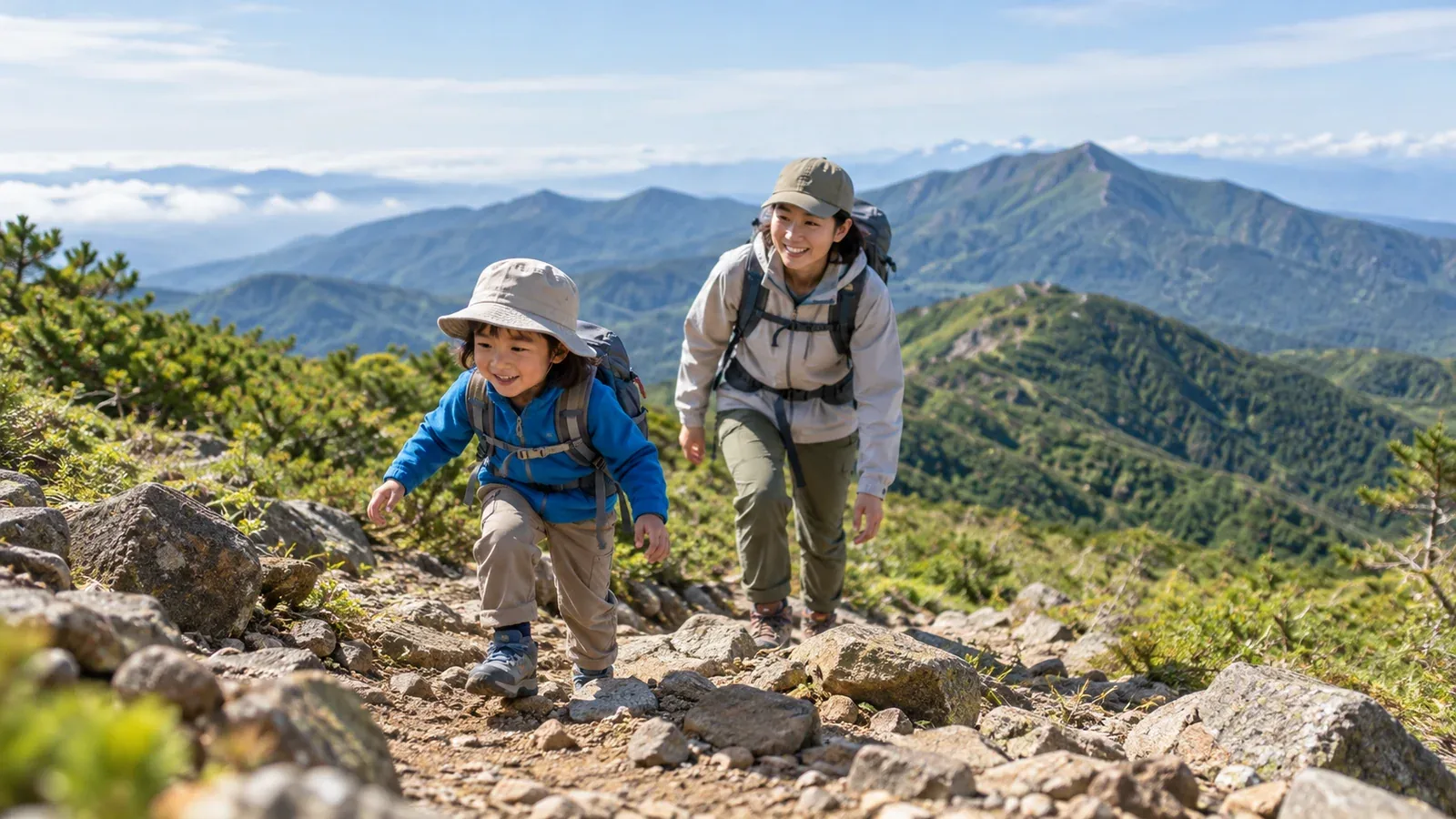
On a family hike, make time to stop at things your child discovers or choose a small goal together as you look around. If your child says they can’t walk any farther, stop somewhere safe and check how they’re doing.
Nature cards and sign spotting can make the walk enjoyable at your child’s pace. Before leaving, agree that anyone who feels tired or worried can ask for a rest or a change of plan.
When they stop walking, ask why
When a child says they’re tired or don’t want to go on, ask what’s bothering them and watch their face and gait. Tiredness, boredom and fear can overlap.
Tired or uncomfortable. Ask whether their legs are tired, their shoes hurt or they feel too hot or cold. Stop somewhere safe and make time for a break.
Losing interest. A stretch of similar scenery can get boring. If the child seems ready to walk, look for the next sign or a change in the view together.
Worried or scared. Rocks, heights and insects can unsettle different children. Ask what feels scary and consider another route or turning back.
When you stop, check on water, food, heat, cold, pain and tiredness. Review the plan if the child stays tired after resting, acts differently from usual or is still afraid. Games can help when the child feels comfortable walking.
Four things to try along the trail
Bring one or two games in which the child gets to choose or discover something. The U.S. National Park Service’s Junior Ranger materials include activities to find things around you using sight and sound.
Nature spotting card. Before leaving, write down things you might see or hear from the path, such as red berries, a leaf with holes or birdsong. Stop somewhere safe to tick them off.
Sign spotter. Ask your child to tell you when they see the next trail sign. At a junction, stop and look at the sign and map together. The adult confirms which path to take.
Collect pictures and drawings. If the child finds a favorite rock or leaf, take a photo from the path or draw it later. Leave plants, animals and stones where you find them and stay on the trail while observing.
Walk together to the next landmark. On a stretch with good visibility, let your child choose the next landmark. Walk beside them without racing, and pause the game on narrow or unsafe sections.
Choose a nearby goal together
A bridge or a sign the child can see makes it easier to agree on how far to walk. Try picking a place like that together.
You can choose something in sight, the next rest stop or the day’s destination. It’s fine to change it as you go.
Somewhere in sight
Choose something you can see from the trail, such as the spot just before a big rock or the next sign. When you reach it, ask if the child feels like walking farther.
The next rest stop
Plan something you can do at the next safe place to rest, such as having a snack or listening for birds near a bench. If someone needs water or a break sooner, take it where you can stop safely.
The day’s goal
Before leaving, point out a place on the map that you could reach that day, such as a lookout or a clearing. If you turn around sooner, find a good moment to enjoy the walk together.
On your first hike, take a short trail to learn your child’s pace and how often they need breaks. Use map times as estimates and allow time for pauses, exploring and the descent.
Discuss when to turn back before leaving
Tell children they can ask for a break or to turn around. They may feel more comfortable saying what’s wrong. Listen and check on them whenever they raise a concern.
Talk as a family about what to do in these situations.
- If a foot hurts or a shoe rubs, stop to check the foot and shoe
- If someone is hungry or thirsty, eat or drink somewhere safe
- If a place feels scary, consider another way or turn back without forcing anyone through
- If a child says they don’t want to walk, ask why and decide whether to rest or change the plan
If the child’s color, gait or responses change suddenly, stop somewhere safe and check on them. If they don’t improve or can no longer walk, stop the hike. In emergencies such as changes in consciousness or breathing, call 110 or 119 for rescue in Japan.
Bring the day’s discoveries home
On the way back, ask what was most interesting or which discovery they liked best. Let them tell the story of a moment they chose.
Look through the photos, drawings or spotting card together and ask what they’d like to see next time. Keep the parts they enjoyed and the parts that tired them in mind when you choose where to go next.
Make a spotting card
For your next hike, write down five things you might find from the trail. Check official local or site guidance for the route and current trail conditions, and try the card on a short stretch.