
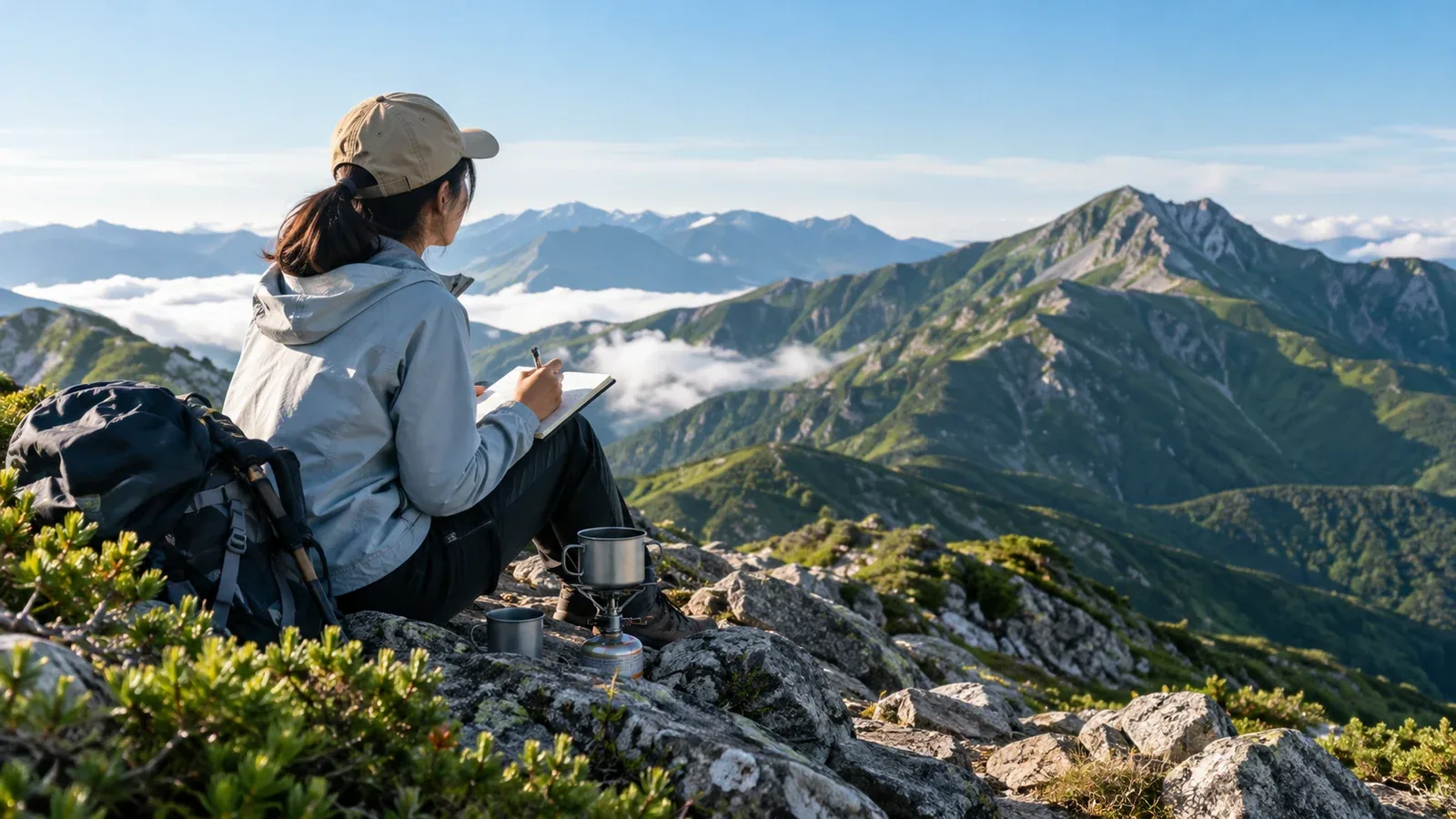
Many people wonder whether they can write about their hiking experience for a living. Hiking writers produce features, columns, guidebook material, social posts and books about walking, mountaineering and mountain culture. Some write full-time, and others do it alongside another job. You don’t need a qualification to start, but it takes time to secure regular commissions.
This article walks you from enjoying the mountains to getting paid for a piece. It’s for people who want to write professionally and give readers something concrete they can use.
What matters for hiking writers: mountain experience or writing skill?
People often ask whether to learn to write or get more time in the mountains first. Both matter. At the point of getting work, the quality of your writing is what opens the door.
Editors look first for clear writing. Walking a demanding route won’t make up for an article that’s hard to follow. With less experience, you can still organize reliable information for beginners, such as how to choose gear, introductory route descriptions and basic safety. Develop your writing and your mountain experience alongside each other.
A long-distance trail feature, a technical climbing article or a detailed guide to a specific mountain area requires first-hand experience. Fabricating experience can put readers at risk and damage your credibility. Write from what you know, especially when readers will use the piece to make decisions in the mountains.
Start by building a public portfolio
Editors need samples before they can commission you. Publish on your own blog, note or another platform. The immediate goal is to assemble a portfolio you can show an editor.
Here are three things to pay attention to as you build it.
- Narrow the subject. Write about day hikes on low mountains in the Kanto region, choosing gear for a night in a tent or looking after hiking boots. A group of pieces on a clear subject gives editors a better sense of what you know.
- Build the article around a question and an answer. Explain what the subject is, why it matters and what the reader can do. Personal impressions and scenery can add to a piece, and the portfolio should also show that you can give readers practical information.
- Distinguish facts from assumptions. Saying a route has a published estimate of a certain number of hours is different from promising every reader they’ll walk it in that time. Editors look for that care with accuracy.
Start by publishing a few samples on subjects you know. There’s no set number. Work you choose to publish without pay is a separate decision from accepting an assignment and agreeing on payment and publication terms.
How to get your first commission
Once you have a few samples, start looking for paid assignments. There are three main ways to do that.
1. Sign up for freelance platforms. Some platforms list writing assignments. Look in hiking, outdoor and travel categories, where your knowledge can help. Early rates can be low, but these sites can give you a record of completed jobs and feedback.
2. Pitch outdoor publications directly. Some outdoor magazines and websites accept contributions from freelance writers. Check their submissions pages or contact the editors. Include a short introduction, the topics you can cover and links to your best samples.
3. Meet people through social media and hiking communities. Sharing your work on social media can lead to contacts with editors and other writers. Guides, hut staff and outdoor brand press teams may give you story ideas or help you find people to interview. A community app such as Nordwand can also be a starting point for research.
Improving the quality of your work
Once you have a commission, good writing can help you get the next one. Here are some habits that matter in hiking journalism.
Check primary sources every time. Rules, mountain opening seasons and hut operations can change. For each article, verify details with municipalities, huts and land managers. Relying on old blogs or other articles can spread errors.
Be careful with safety advice. Statements like “beginners will be fine on this route” or “bad weather won’t be a problem” can put readers at risk. Explain the conditions your advice assumes and tell readers to check the Japan Meteorological Agency, the area’s manager and local information before setting out.
Develop a specialty or point of view. You might know gear in detail, know one area especially well or have experience hiking with families. Editors are more likely to remember what you can cover in depth.
Build good working relationships with editors. Meet deadlines, respond carefully to revision requests and make it easy to work together. In a small field, that trust can lead to repeat commissions.
From side work to writing full-time
If you aim to write about hiking full-time, use expected fees and the number of assignments to estimate your income. You can also make writing one part of your income alongside another job, guiding or instruction.
To work full-time, consider writing about adjacent subjects such as the outdoors, travel, health or sport, or combining writing with photography or video. For a book or long-form project, weigh the fee against the time you’ll need to report and write it.
At first, focus on whether you can keep writing. If you enjoy writing and can keep spending time in the mountains, that consistency will gradually give you more options.
Where to start
Write one article on something you know first-hand, such as a route you’ve walked. A narrow, concrete subject makes the piece easier to write and gives editors a clearer sample. Publish it on note or a blog so you can share it when looking for work. The Nordwand community is also a place to meet hiking partners.