
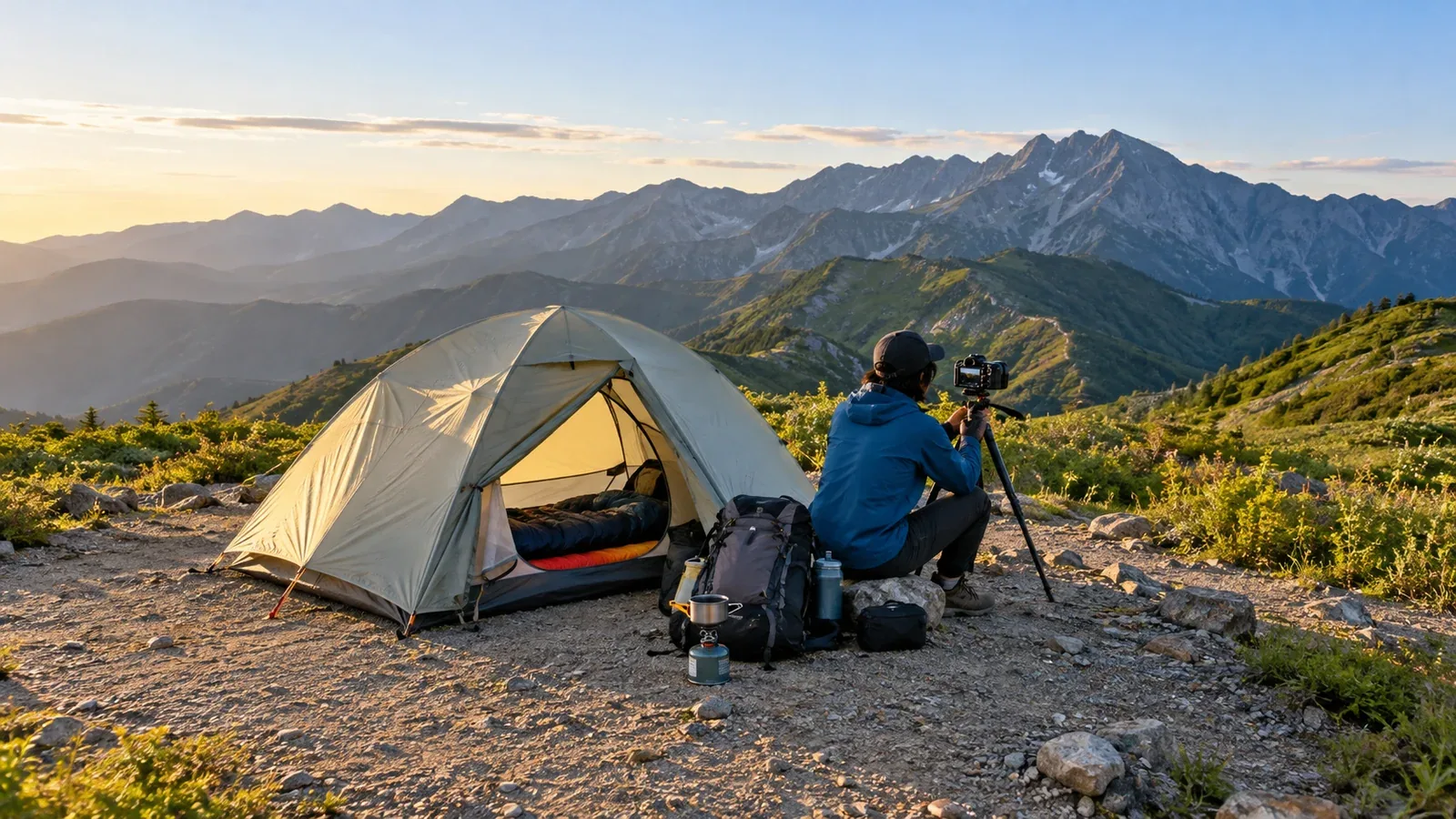
Many people would like to keep going to the mountains while making videos about their hikes. Publishing videos and earning enough from them to cover production and living costs are separate challenges. Consider how often you can get outdoors, what each video costs to make and where the income could come from.
This article looks at how hiking creators make money, what filming and editing cost, and how to work out whether you can keep going.
Income beyond advertising
Hiking creators can earn income in five main ways.
- YouTube ad revenue. To share in ad revenue, meet the YouTube Partner Program (YPP) conditions for ads and pass the review. YouTube Help lists the features and current requirements.
- Sponsorships and partnerships. Gear makers, outdoor brands and travel or accommodation companies may pay to be featured in a video.
- Affiliate links. You can place links from an affiliate programme in a video description and earn a commission on qualifying purchases made through them.
- Direct support from viewers. Where eligible, you can receive support through features such as YouTube Super Thanks and memberships, or through services such as FANBOX and Fantia.
- Guiding and teaching. A channel can show prospective clients what you do and lead to paid work in person.
Two videos with the same number of views can earn different amounts. Ads don’t appear on every view, and earnings can vary by season, where viewers are located and which ads are available. View counts alone don’t tell you whether a channel can cover living expenses.
How long it takes to build steady income
Hiking videos can take a long time to film, edit and publish. The weather can disrupt filming, seasons restrict when you can get out, and filming one video can take a day or more and a fair amount of physical effort.
Subscriber numbers alone can’t tell you how much you’ll earn from ads or when. Set a budget for filming and editing before you start. Once you start earning, check what actually comes in through YouTube Studio. Keep spending within what you can afford while the channel is bringing in little or nothing.
Sponsors consider subscriber numbers, but they may also look at viewer engagement and retention, and at your expertise and credibility. Choose a subject you can keep covering, such as one mountain range, stream climbing, winter hiking, light gear, hiking with children, women hiking solo, or hikes for middle-aged and older people.
What makes a channel sustainable
Consider three demands on your time and budget before you start.
1. Starting without another source of income. It’s hard to know when advertising and commissions will cover your living costs. Decide how you’ll pay the bills while income is low, such as keeping your main job or budgeting for the channel as a side project.
2. Underestimating filming and editing costs. Cameras, spare batteries, microphones and tripods can cost money up front. Editing software, storage and backups may bring ongoing costs. Balance image quality against weight and take what you need and can carry safely.
3. Tying your posting schedule to your hiking schedule. Gear reviews, map-reading guides, past trip reports and route explainers are all videos you can make when you can’t go out. Plan your schedule around the seasons and weather.
An interest in hiking gives you a reason to start. Working out these three points first helps you start at a scale you can maintain.
How to plan monetization
If you want to earn from your channel, work through these steps.
1. Choose a niche. Decide what you want to share and for whom. Examples include winter in the Northern Japan Alps, lightweight gear for day hikes, or trips with beginners. A clear focus tells viewers what to expect and helps you find companies that fit.
2. Choose one income stream besides ads. If you want to use affiliate links or product reviews, check the partner’s eligibility and rules on posting links, and decide how you’ll identify advertising. Some external affiliate programmes are available before you join YPP if you meet their terms.
3. Create a repeatable video format. Starting every video from scratch adds editing time. Try an opening, gear overview, trip footage, lessons and a short wrap-up. Decide what shots you need before you head out.
4. Check the tax and advertising rules. In Japan, whether you need to file an income tax return depends on the type and amount of income, among other factors. Keep records of revenue and necessary expenses and check the National Tax Agency’s guidance. For sponsored videos or supplied products, make the advertising relationship clear as appropriate to the company’s involvement. Japan’s stealth marketing rules apply to advertisers, and YouTube has its own rules for declaring paid promotions.
5. Make safety part of what you show. Keep filming within what you can do safely. Show your plan, equipment and the decisions you make along the way. Check official advice from the Japan Meteorological Agency, local authorities, land managers and police, and tell viewers where they can find it.
Can this work as a job?
Alongside income, consider the following questions before treating your channel as a job.
- Do you have several sources of income? Ad revenue alone can fluctuate considerably.
- Can you publish when you can’t hike? Check whether you have a posting plan that works through the year.
- Can you maintain the quality of your hikes while filming? Pushing your limits to get a shot can make outings less safe and harder to sustain.
- Can you cover living costs while keeping your main job? Check that your budget covers both the channel and your living expenses when income is low.
While you work towards these conditions, you can try the channel as a hobby or side project with a set time and budget. Adjust the scale based on what you actually earn and what production takes.
Where to start
Check YouTube Help for current YPP requirements and monetization policies. Then read the Consumer Affairs Agency’s rules on stealth marketing and YouTube’s instructions for declaring paid promotions. Talking with people on Nordwand who hike in the same areas or in the same style can help you decide what you want to share and with whom.
References
- YouTube Help: YouTube Partner Program overview and eligibility
- Consumer Affairs Agency: Stealth marketing rules under Japan’s advertising law
- National Tax Agency: Miscellaneous income and filing requirements for salaried workers
References and sources
- YouTube Help: YouTube Partner Program overview and eligibility
- YouTube Help: Expanded YouTube Partner Program
- YouTube Help: Understanding ad revenue analytics
- YouTube Help: YouTube channel monetization policies
- YouTube Help: Paid promotions
- Consumer Affairs Agency: Stealth marketing rules
- National Tax Agency: Miscellaneous income
- National Tax Agency: When salaried workers need to file a return