
If hiking is your hobby, it’s natural to wonder whether it could bring in some money. Gear, transport and hut stays add up over the year. A side income can make it easier to keep getting out.
Earning money from hiking can mean many different things. Some activities require qualifications, and some bring in occasional income while others can become regular work. This article looks at ways to use your hiking experience, who each option might suit and what to check before starting.
Three broad sources of income
Side work connected with hiking falls roughly into three groups.
- Sell knowledge and experience, for example through guiding, instruction or consulting.
- Sell or publish creative work, such as photos, videos or writing.
- Sell or promote goods and services, for example by reselling used gear, using affiliate links or running workshops.
How easy it is to start and how steady the income is can vary even within one kind of work. You can start writing or taking photos with the equipment you already have, but ongoing sales depend on readers and clients. Guides take responsibility for safety and need to check what qualifications and insurance their work calls for. Estimate the preparation and likely income separately.
Side work involving qualifications: guiding and instruction
The Japan Mountain Guides Association (JMGA) certifies hiking and mountain guides for specific types of terrain and seasons. Depending on what you offer, check the client’s requirements, local mountain rules and whether arranging paid accommodation or transport requires registration under the Travel Agency Act. Ask the Japan Tourism Agency, the prefectural office or the relevant land manager for details.
Qualifications may require specific experience, exams and courses. Preparation time depends on your existing experience and the qualification you want. Work backward from the entry requirements.
An introductory class or a workshop on choosing equipment is another way to teach. If you charge for bookings, check the disclosure and contract rules under laws such as the Act on Specified Commercial Transactions, depending on the activity and how you take bookings. If transport or accommodation is included, ask the relevant authority how the Travel Agency Act applies.
Creative side work: photography, video and writing
There are several ways to earn from work you make in the mountains.
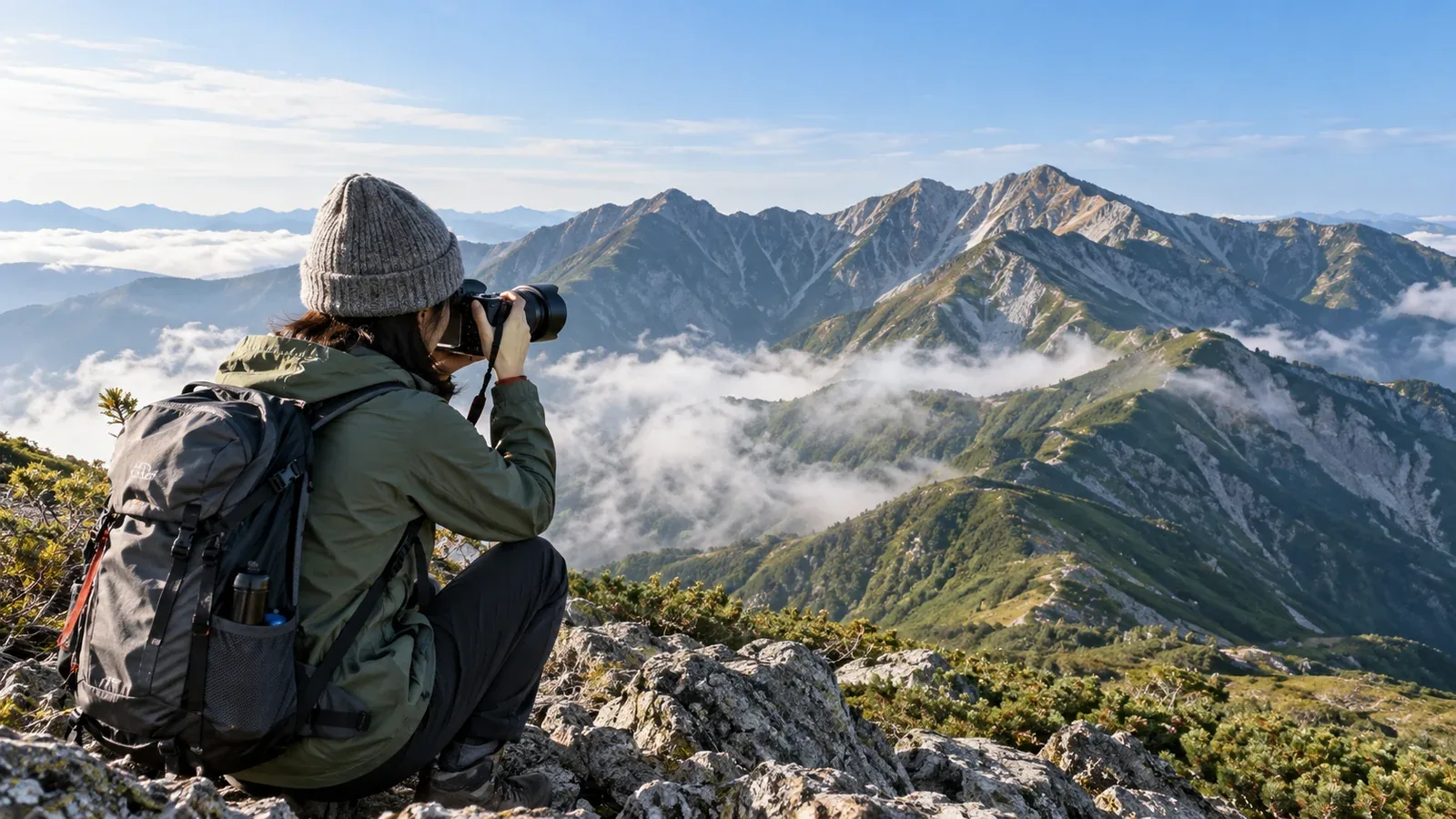
Photography and footage can earn money through licensing on stock services, social platform monetization or supplying material to outdoor brands. Check each service’s terms and estimate the time and equipment needed to shoot and edit. Seasons and light also shape your opportunities to shoot in the mountains.
Writing can mean pitching and writing articles for hiking publications. A one-off assignment can lead to a regular column. You can also earn from blog ads or through paid articles and tips on note. Alongside the quality of the writing, think about how readers will find it.
Video can generate ad revenue on platforms such as YouTube. Estimate the time spent hiking, filming and editing, then compare it with what you actually earn. Focusing on a region or subject makes it easier to show who a video is useful for.
Selling and promoting goods and services
You can pass on gear you no longer use through a resale app or second-hand shop. Describe its condition accurately. Selling your own used possessions and buying second-hand goods as stock to resell are treated differently under Japan’s licensing rules. Ask your local police station before starting a resale business.
With affiliate links for outdoor brands and hiking services, you may earn a commission when someone makes a qualifying purchase or signs up. Check the partner’s terms and how to make the advertising clear. Japan’s stealth marketing rules under the Act against Unjustifiable Premiums and Misleading Representations apply to advertisers. Consult the Consumer Affairs Agency’s guidance.
Four checks before you start earning
Before starting, ask yourself the following.
- Legal requirements. Does the activity require a qualification, licence or notification? Check the Travel Agency Act, second-hand dealer licensing and advertising rules as relevant.
- Responsibility for safety. If you take others into the mountains, who makes the safety decisions and how will you respond if something goes wrong?
- Taxes. Record revenue and expenses. Check with Japan’s National Tax Agency or your municipality whether the type and amount of your income require income tax and local resident tax returns.
- Compatibility with your main job. If you’re employed, check your workplace rules for restrictions on side work.
Safety management is central to taking people into the mountains. Decide who will make decisions and how you’ll communicate and respond in an emergency. Check that guide liability insurance or other cover applies to the activity you intend to run.
Where to start
Decide whether you’re best suited to sharing expertise, creating work or selling goods. Check the requirements for that option one by one. If you’re interested in guiding, read the JMGA’s scopes of practice and application guidance and look at the routes and seasons that working certified guides cover.
References
- Japan Mountain Guides Association (JMGA): Qualification guidance
- Japan Tourism Agency: Overview of the Travel Agency Act
- Consumer Affairs Agency: Notice and guidance on stealth marketing rules
- National Police Agency: Overview of the Secondhand Articles Dealer Act
- National Tax Agency: Miscellaneous income and filing requirements for salaried workers
References and sources
- Japan Mountain Guides Association: Qualification categories and scopes of practice
- Japan Tourism Agency: Overview of the Travel Agency Act
- Consumer Affairs Agency: Act on Specified Commercial Transactions and distance sales
- Consumer Affairs Agency: Stealth marketing rules
- National Police Agency: Overview of the Secondhand Articles Dealer Act
- Aichi Prefectural Police: Questions about the Secondhand Articles Dealer Act
- National Tax Agency: Miscellaneous income
- National Tax Agency: When salaried workers need to file a return
- Ministry of Health, Labour and Welfare: Side jobs and multiple employment
- YouTube Help: YouTube Partner Program overview and eligibility