
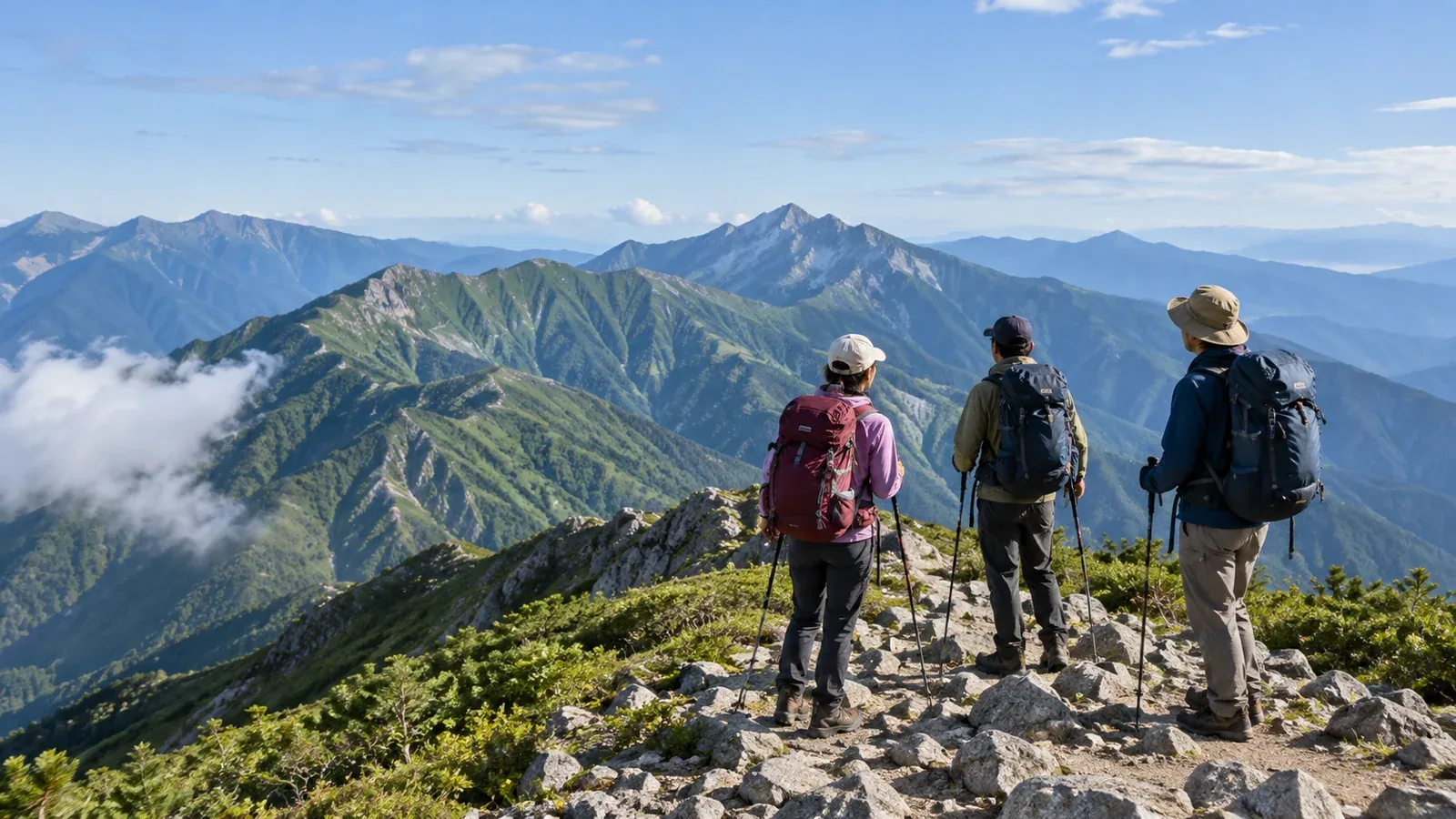
Hiking with someone you’ve just met is a chance to make new friends. You’re also setting out without knowing much about each other’s fitness, experience or decisions under pressure. Once you’re on a mountain, leaving because the group doesn’t suit you can be difficult.
Here are common problems and ways to prevent them before, during and after the hike. Looking out for each other makes the day more enjoyable and helps the group stay safe.
Getting on the same page before you go
Problems often start when people have different expectations. If fitness, gear and goals haven’t been discussed, the group may have to make unexpected decisions on the mountain.
Cover these basics before setting out.
- Fitness and experience: Share a recent hike and how long it actually took you. Saying you’re fit means different things to different people.
- Gear: Check rainwear, headlamps, snacks and water. A person who packs too lightly for a day hike can affect the whole group if the weather changes or there is a delay.
- Goals and pace: Talk about whether you want to take photos, keep to a schedule or reach the summit. These priorities can affect the pace and the decision to turn back.
- Emergency contacts and return time: Share the trip plan and estimated return time with the group and a trusted person staying behind. Give emergency contacts privately to those who need them. Check where to file the plan for the area you’re visiting.
Set the pace around the person with the least experience or fitness. Talking beforehand helps you see who will need more time or support.
Spotting differences on the day
You may see differences in fitness or notice someone feeling unwell only after you start. People who’ve just met may hesitate to say they’re tired or struggling.
Notice a change of pace
If someone slows down, talks less or needs more breaks, stop somewhere safe and ask what they’re feeling. At altitude, headache, nausea and severe fatigue can be signs of altitude illness. Stop ascending if you suspect it and descend if symptoms worsen. Seek rescue promptly if there’s confusion, an inability to walk straight or shortness of breath at rest. Get help with the descent if it can be done safely.
Make “How are you doing?” a habit
Check in with everyone at breaks. Offering a pause yourself can make it easier for someone new to speak up. Set the pace around the back of the group.
If someone is missing equipment
If anyone lacks gear the route requires, such as rainwear or a headlamp, hold off or choose a manageable plan together. If you lend spare gear, make sure you still have what you need and the person borrowing it knows how to use it.
Agreeing who decides and when to turn back
On a first hike together, it can be unclear who makes the final decision. A regular group may already have a leader. Among strangers, everyone may wait for someone else to say what to do.
Agree on criteria before departure. For example, you might turn back at an agreed point if the weather deteriorates or review the plan if you’re taking more than 1.5 times the map estimate. The agreement gives everyone a common basis for acting on the mountain.
If someone wants to turn back, stop together and work out a safe return. Plan to turn back together. If a split is unavoidable, stay with anyone who is unwell or unsure, and agree who goes with them and how the groups will communicate.
Practical ways to look out for each other
Small courtesies can make a first hike together smoother.
Say what you find difficult
“I need more breaks on steep climbs” or “I’m slow on descents” gives others an opening to speak honestly too.
Ask for a photo stop or a break
“Can I stop here for a photo?” or “Could we take a break a bit farther on?” helps everyone stay together. If you stop or slow down silently, new companions may not understand what’s happening.
Suggest changes early
If you need to change routes or give up on the summit, acting sooner leaves more options. Agree as a group that you’ll speak up early.
Say something after the hike
A simple “Thanks for today. It helped that you matched my pace” can build trust for the next outing. What you say afterwards also matters.
Common problems and what to do about them
These situations come up often when people hike together for the first time.
- The group spreads out because of fitness differences. Compare recent hikes before setting out.
- Someone comes without essential gear. Send a gear list and ask everyone to confirm what they’ll bring.
- The group misses the time to turn back. Put the criteria into words before departure so someone can speak up.
- Someone hesitates to say they feel unwell. Make regular check-ins a group habit.
- People are hard to reach after the hike. Check contact details before setting out.
What to do next
Before your next hike with new companions, share your fitness, equipment and turnaround criteria in writing. Having a message to refer to can make decisions easier on the day. Nordwand’s Base Camp and interest-based communities can help you find partners or start the conversation before you hike.
Sources
- National Police Agency of Japan: overview of mountain incidents
- US National Park Service: outdoor emergency plan
- Prefectural police instructions for filing hiking plans