
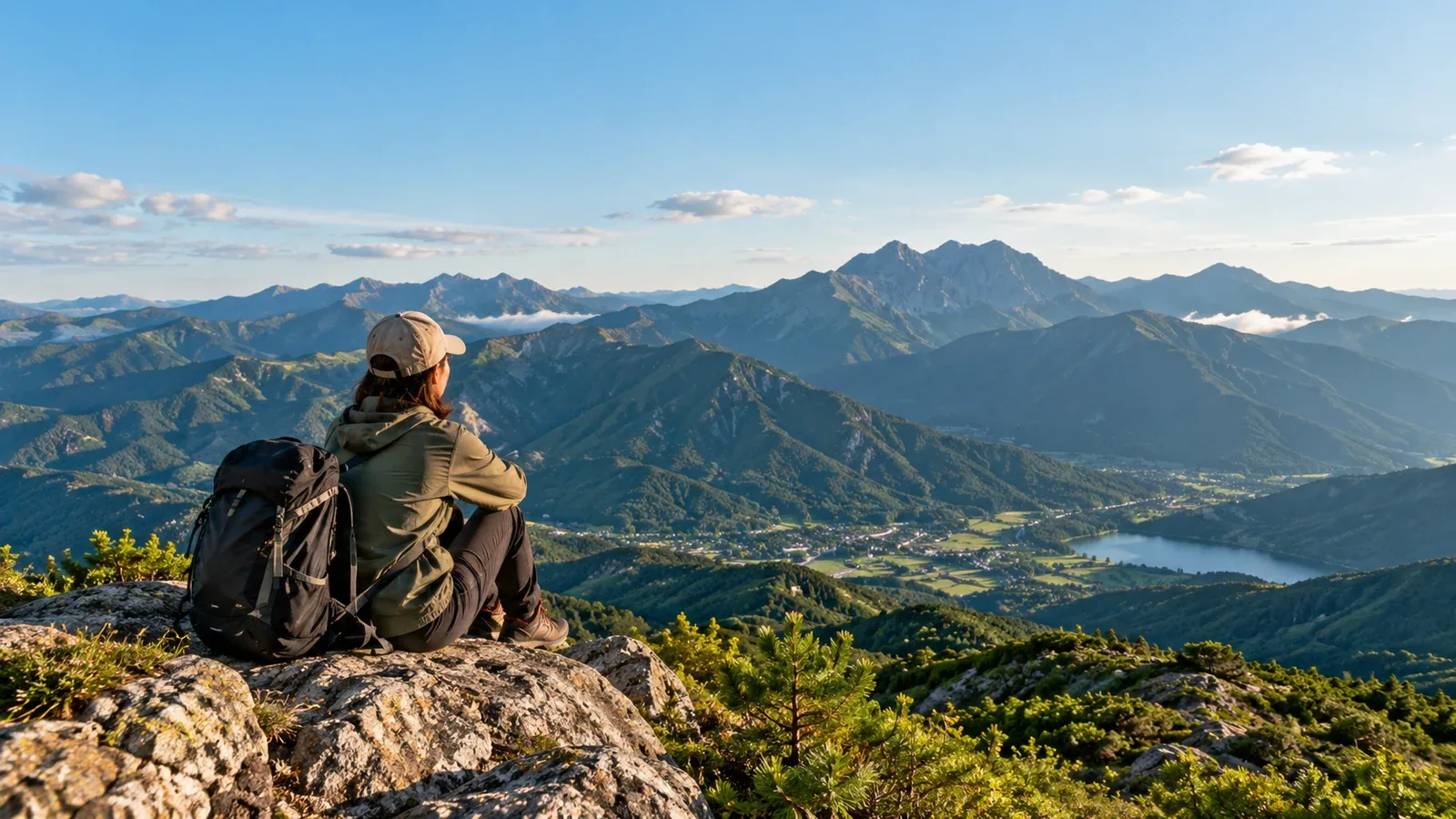
Many hikers eventually think, “I’d like to live closer to the mountains.” After enough weekends on the road, it’s natural to consider moving and changing jobs at the same time. Then the practical questions start. What work will you do? Can you maintain your income? What is daily life near the mountains like?
This article lays out what to research, what to compare and in what order to make decisions if hiking is prompting a move and a career change. Pay and vacancies depend on your situation and the place you choose.
Why moving close to the mountains can be difficult
Check how many jobs in your field are available where you might move, and how pay and conditions differ. The picture varies by town and occupation, including around the Japanese Alps and in Hokkaido’s mountain regions. Alongside access to trailheads, compare living costs, how you might take part in local life and how easily you can get to a clinic or shop.
Depending on your job and employer, you may be able to keep working for the same organization while living closer to the mountains. Confirm where you’re allowed to work and how often you’ll need to go to the office. Check whether a home you’re considering can get the connection you need.
Write down what would change if you moved closer to the mountains, including income and daily expenses. That will show you what to prepare for.
Define what “close to the mountains” means to you
Work out what you mean by “close” before you pick a place. It sounds like a personal preference, but it directly affects your job options.
Start with how often you want to go out and what kind of trips you want to do.
- Day hikes once a week or more. A one- to two-hour drive to the trailhead is one possible benchmark. Some suburbs of medium-sized cities meet it, as do towns at the foot of mountains.
- Alpine climbing or winter mountaineering. Think about storing and maintaining gear, and where you can go if the weather cuts a trip short. Small towns may suit this lifestyle, though there may be fewer jobs to choose from.
- Working as a guide or in a mountain hut. The workplace will shape where you can live. Find the job first and then look at places within reach.
Each of these goals calls for a different job search. Knowing which fits you saves time.
Three ways to find work
There are three broad ways to work while living near the mountains.
Move into mountain-related work
Mountain guiding, hut work, outdoor education and roles related to mountain rescue can draw on your hiking experience. Look into what the role requires before applying.
To work as a guide, look for a qualification that covers the terrain, seasons and activities you want to guide. The Japan Mountain Guide Association sets experience, course and examination requirements by qualification. Preparation time depends on your experience and the schedule. Check the association’s latest requirements.
Mountain huts offer both year-round and seasonal jobs. For a seasonal post, check the length of the contract, the terms of any live-in arrangement and how you’ll earn income in the off-season. Look at the hut’s operating season and hiring dates.
Move and switch your current job to remote work
Some jobs in IT, design, writing, accounting and sales can be done with a computer and an internet connection. You can discuss a remote arrangement with your employer or look for a role that already allows it.
Fiber coverage and mobile reception can differ by address even in the same town. Before signing, check service availability for the exact address. If possible, try the calls and connections you’ll need for work from the property.
Find work in the local economy
You can look for work with local government, in health or social care, farming, forestry or tourism. Japan’s rural revitalization program offers another route, where a local authority appoints you to work on local projects. Employment status, pay, project expenses, housing support and eligibility depend on the listing.
Compare living costs before moving
Even once you’ve found work, compare living costs. Lower rent may be offset by new expenses such as a car or heating.
For hikers, these are particularly worth checking.
- Buying and running a car. Public transport can be limited in mountain regions. Buying and maintaining a car may become a new expense.
- Winter expenses. Estimate the time and cost of snow clearing and heating. Ask the municipality about snowfall and snow-clearing arrangements. Ask the property manager or a local advice service about typical utility costs.
- Access to medical care. For routine visits and emergencies, check how far medical facilities are, how you’ll get there and which ones provide emergency care. Japan’s health ministry maintains a national facility directory.
- Income and standard of living. If your income drops after a job change, keeping the same spending habits can strain your budget. Work out what expenses will look like with your new income.
Try the place before you decide
Moving and changing jobs at the same time can concentrate risk. If you can, gather information in stages.
- Visit more than once. Go in different seasons to see how winter feels and what the place is like after the tourist season.
- Talk to a relocation adviser. Many prefectures and municipalities offer consultations. Some can discuss jobs, housing and local programs for free.
- Look for work before committing to the move. This gives you a clearer idea of your income. If you’ll work remotely, discuss the arrangement with your employer and check the connection at the property in parallel.
- Try a short stay. Some local authorities offer trial stays for prospective residents. Spending time there can show how everyday life compares with your expectations.
What to do next
Start by writing down what “close to the mountains” means to you based on your trips and the way you want to live. This will help you weigh remote work, mountain-related jobs and local employment. Once you have a shortlist, contact each municipality’s relocation service and check with connectivity providers. In Nordwand’s community, you can also hear from hikers who already live in mountain areas.
References
- Japan Mountain Guide Association: certification information
- Overview of Japan’s rural revitalization program (Ministry of Education, Culture, Sports, Science and Technology)
- Examples of relocation advice services (Nagano Prefecture)
- An example of a trial stay (Omachi City, Nagano)
- Remote work guidelines (Ministry of Health, Labour and Welfare)
- National medical facility directory (Ministry of Health, Labour and Welfare)