
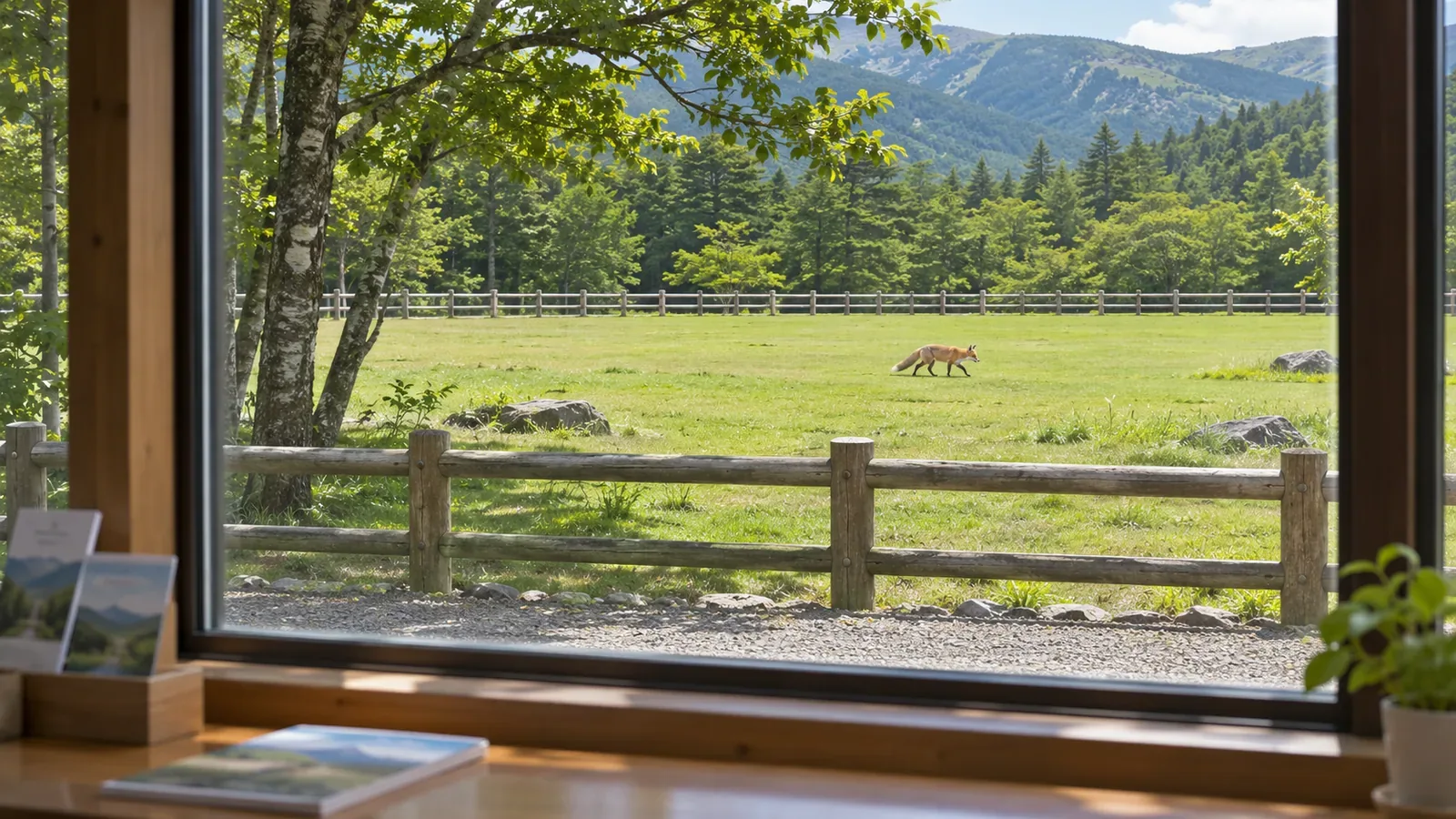
An animal may approach people or their gear, but that alone tells you little about how safe the situation is. According to the Japanese Ministry of the Environment’s fishing guidance for Shiretoko, once brown bears associate people with food, they may approach even when there are no fish. Public guidance from Shiretoko and U.S. agencies helps you plan how to store food and prepare for encounters.
Animals can associate people with food
Japan’s Ministry of the Environment recommends putting salmon and trout away as soon as they are caught in Shiretoko so brown bears do not learn to get fish from anglers. The fact that an animal approaches gives you little basis for deciding whether it wants food or what it will do next.
For Shiretoko, the ministry advises withdrawing promptly without running or turning your back if a brown bear heads toward people or food.
Responses vary by species and place. Check the site manager’s guidance for your destination before leaving.
What can happen when animals learn to look for human food
According to the U.S. National Park Service, bears that repeatedly get human food can lose their fear of people and look for food near them. A bear may be put down if it poses a danger to people. The agency also lists scented items other than food that require storage and explains that the rules vary by place and bear species.
The Leave No Trace principles shared by the U.S. Fish & Wildlife Service ask visitors to observe wildlife from a distance, avoid approaching or following it, and never feed it. Feeding affects animals’ health and natural behavior.
When animals get food near people, they can learn to associate the two. An animal may eat food set down or a snack dropped by accident. Keep food and rubbish out of animals’ reach.
Move away if an animal takes your food
Shiretoko’s hiking guidance says to keep food and gear with you on the trail and to leave any food or rubbish a bear has already taken. Fishing guidance for the tip of the Shiretoko Peninsula also asks anglers to put away their catch right away and avoid throwing down their gear and running.
Keep food and gear secured during the trip. If a brown bear has already taken food or rubbish, withdraw calmly and keep away from the area for now. Follow the guidance for your destination.
During an encounter, stop taking photos, keep away from the animal and any gear it has taken, and follow local directions to get to safety. If you need to make a record, do it after you have moved away and reached a safe place to stop.
Three things to check before leaving
Write down what you will carry, where it will go and what to agree on with your group before you leave.
First, list scented food, items that carry or give off scents such as dishes and toiletries, and rubbish.
Next, look up the site manager’s storage instructions. At designated campsites in the Shiretoko mountains, use the food lockers and keep food and food waste out of the tent. The Japanese Ministry of the Environment’s diagram and PDF show at least 70 m between each pair of areas: the tent, the cooking and eating area and the food storage area. Check the latest guidance for available facilities and designated locations.
Agree with your group to keep food away from wildlife and avoid approaching or following animals to watch or photograph them. Check the current encounter instructions and contact information for your destination.
At the end of a break, check where you sat for rubbish or food. If the footing is unsafe or an animal is nearby, put safety first and move away without stopping to inspect or collect it.
Keep your distance from wildlife
Give animals space and store food and rubbish as directed. If an animal takes food, move away and follow local guidance. Check storage rules, encounter instructions and contact information before the trip.
References and sources
- Japan Ministry of the Environment — Salmon and trout fishing on the Shiretoko Peninsula
- Japan Ministry of the Environment — Bear safety for hiking in Shiretoko
- Japan Ministry of the Environment — Essential guidance for hiking in Shiretoko (PDF)
- U.S. National Park Service — Storing Food in Bear Country
- U.S. Fish & Wildlife Service — Leave No Trace Principles