
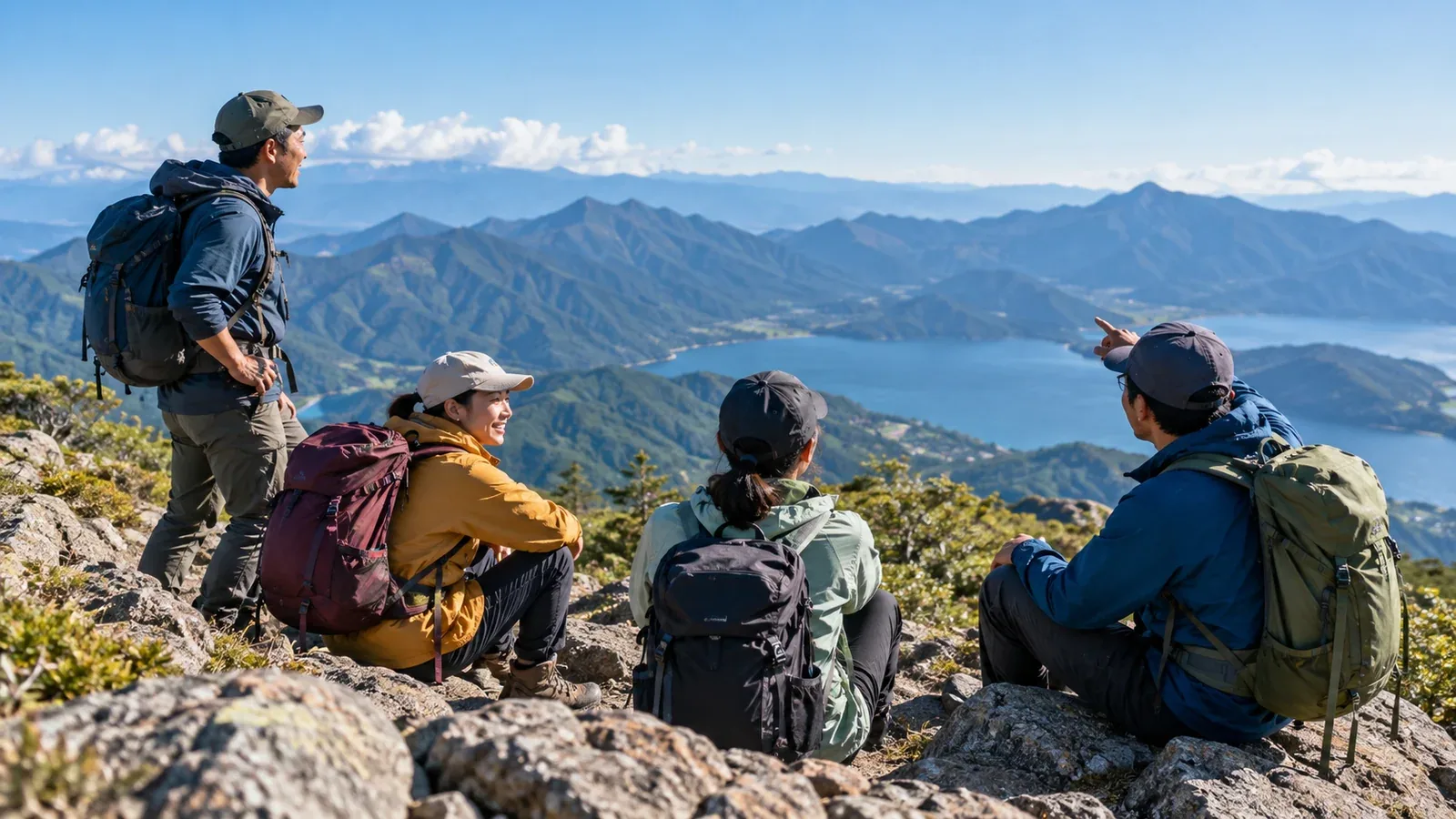
Hiking groups that stay together usually have a few things in common. Alongside the fun of walking together, they develop routines as a group, sometimes by choice and sometimes without noticing.
Other groups start out with a lot of energy and gradually fade. Invitations get less frequent, replies come more slowly and eventually people stop hearing from each other. A few causes come up again and again.
Here are some practices that help groups last, what to look for when forming a group and how to make it easier for an existing group to keep going.
Talk early about the kind of hiking everyone wants
Groups often lose momentum when people develop different levels of fitness and experience or want different kinds of hikes, and nobody feels able to talk about it.
Even if you all start as beginners, things can look quite different six months later. One person might walk a low mountain every weekend while another hikes once a month. The same route can then feel too short for one person and too hard for another. If nobody can say so, both the person inviting and the people receiving invitations can get worn down.
Groups that last make room for different levels. When planning a hike, they say upfront whether it’ll be an easy outing or a longer day, so people can decide whether to join. Knowing you can say “I can’t make it” or “That sounds too hard for me” makes it easier to accept the next invitation.
If you’re getting to know new hiking partners, say what level of fitness you expect for the first few outings. It makes later conversations about pace and difficulty easier.
Agree how you’ll make decisions
A hike involves deciding where to go, when, which route to take and when the weather calls for canceling. If it’s unclear who decides, the same person may get tired of doing everything, or the plan may fall through because nobody makes the call.
Groups that work well find ways to share decisions. One person might put forward a draft plan while another coordinates dates, or everyone might agree that the organizer will make the cancellation call the night before. These arrangements often develop over a few outings without anyone writing them down.
Once you have more than five people, unwritten arrangements are harder to rely on. Use the group chat or a shared note to clarify who decides what and by when.
Decisions to cancel because of weather or how someone feels are especially important for safety. Agree in advance what in the previous day’s forecast would lead you to call off the hike, so people aren’t left making an awkward decision on the day. It helps if everyone uses reliable sources, such as Japan Meteorological Agency forecasts for the area and forecasts for the mountain you plan to hike.
Make it easy to sit out a hike
A group is more likely to last if people feel comfortable turning down an invitation.
Hiking takes energy, time and money. People will have periods when work, health or family commitments make it hard to join a particular outing. If they repeatedly feel guilty or worry about being left off the next invitation, they may start to pull away from the group.
In groups that last, people can easily say, “I can’t make this one, but I’d like to come next time.” The relationship carries on when someone misses several outings because the group values keeping in touch.
Sharing photos or a few impressions after a hike can help people who couldn’t come stay involved. It works best when sharing happens naturally and doesn’t become a duty.
Notice when one person is doing most of the work
Planning, arranging accommodation or parking and teaching newer hikers to read a map are all easy to overlook. When the same person keeps doing them, the work builds up quietly. If that person feels it’s their responsibility, they may never say they’re frustrated.
Groups that regularly talk about how a hike went are more likely to spot the imbalance. Let someone else look up the route next time or share out the lodging arrangements. Gradually spreading the work makes the group easier to sustain.
An experienced member can also burn out if they’re always the one supporting beginners. As more newcomers join, agree what help the group can offer and how much each person can take on.
Keep shared goals up to date
Even a group that’s worked well for a while can lose momentum once everyone has hiked the mountain they set out to climb. After exploring the original area, the group may have fewer reasons to get together if nobody has talked about what to do next.
Groups that stay together regularly revisit their goals. A goal can be as big as completing Japan’s 100 Famous Mountains or as simple as hiking where snow lingers next spring or seeing the autumn colors in Tohoku this year.
Choose goals the group can get behind. Turning one person’s ambition into a goal for everyone can bring out differences in enthusiasm. Ask, “Who’d like to hike this mountain?” and see who’s interested.
Try this on your next outing
Think about your group. Is it clear how decisions are made? Is the work shared? Do people feel comfortable deciding whether to come? For a small first step, say who will decide what and by when as you plan your next outing. If you want to meet new hiking partners, you can use Nordwand’s Base Camp to connect with hikers in your area. Start with a few short outings in a small group to get a feel for how well you get along and what pace suits you.