
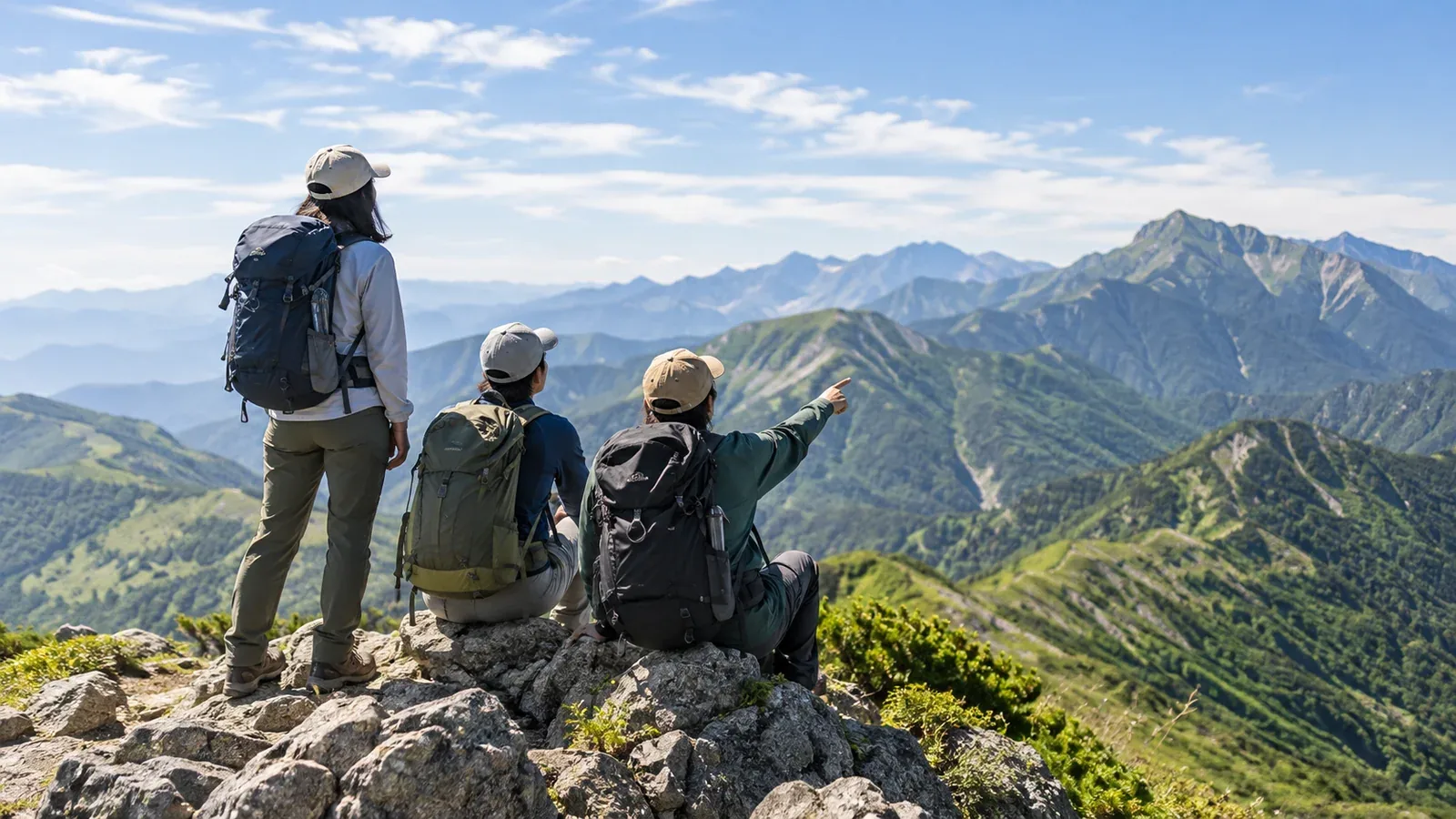
You want to go hiking, but you don’t have anyone to go with. That can happen when you’re new to hiking or when a move or a new job changes who you see. Friends may not be interested, and going alone may feel daunting.
Here’s where to start, whom to approach and in what order. You can create opportunities to meet people by taking a few practical steps.
Two situations people find themselves in
Start by identifying which describes you. It changes what you do next.
Situation A: You have little experience and no hiking partners. Build skills and meet people at the same time. Start with the basics in a beginner class or on an easy, guided hike before attempting a difficult mountain.
Situation B: You have some experience but no one to go with. Your immediate task is meeting people. You already have a sense of your pace, favorite areas and preferred style, so you can choose where to look accordingly.
This distinction matters because expectations can get out of step when people don’t know what a new partner can do. If you’re in situation A, join beginner outings to build the basics.
What to learn while getting started
You can make it easier for others to plan with you by understanding and communicating what you can do comfortably. That matters even when you’re new.
Here are three things to be able to describe.
- What kind of route you can walk comfortably, including elevation gain, time and rocky sections.
- What equipment you have and what you still need, so you can spot gaps ahead of time.
- How you’re feeling on the day, including fatigue, so you can speak up before pushing yourself too far.
A few beginner outings on easy, low hills can help you work this out. Keeping notes lets you explain how far you can walk and makes planning with a new partner easier.
If you ask someone to take you along without knowing your own level, they’ll have more to assess. On a first outing together, remember that what you can do affects the group’s pace and safety.
Four places to meet people
These four settings offer different ways to connect. Choose the one that fits your experience and what you’re looking for.
Hiking classes and guided outings
Classes run by hiking clubs, outdoor retailers or local outdoor groups bring people together around a shared purpose. Participants are often at broadly similar points in their hiking experience, which gives you something to talk about. Go to learn and get to know a few faces along the way.
A guided outing can suit beginners because someone is responsible for managing safety. Participants often change from trip to trip, so find another occasion to meet if you want to keep in touch.
Mountaineering and hiking clubs
Local clubs can help you find people to hike with regularly. A monthly hike or regular meeting gives you a chance to see the same people and get to know them over time.
Clubs vary in difficulty and may specialize in a particular area or style. Look for a club that lets you visit or join a trial outing so you can check whether it suits your experience and aims.
Online communities and apps
Online groups let you search by location and interest. You can meet people who want to visit the same nearby hills. Sharing a trip note or a goal can help people with similar plans find you. Nordwand’s Base Camp can help you meet local hikers, join interest-based communities or contact a certified guide.
For a first in-person hike after meeting online, choose a popular, easy route or an organized group outing. Consider hiking one-on-one once you have a sense of each other’s skills and trust.
Work and existing interests
People you know may be interested in hiking but unsure about going alone. Asking if they’d like to join an easy hill walk may be enough to get started. Offer a plan. “I’m thinking of walking this route on this mountain in the fall” gives someone something concrete to respond to.
Small ways to keep in touch
A first outing can lead to another if you give people an easy way to reconnect.
Share a trip note. A photo or a short thought after the hike can open a conversation about going out again. Mention something concrete, such as a section of the trail you’d like to discuss.
Talk about your next hike while you’re together. During a break, try asking, “What kind of hike would you like to try next?” Mentioning a place or season can make it easier to pick up the plan later.
Suggest a trip yourself. “I’ve planned a route here. Would you like to join?” gives others a clear invitation. Planning it is also a way to learn.
When your abilities or attitudes differ
You may find that you walk at different speeds or make different calls about risk. Pay attention to those differences when deciding whether to hike together again.
Speak up about safety concerns, whether they involve missing gear, deteriorating weather or pressure to push on. Being able to say what you think is part of finding people you can hike with over the long term.
Different speeds and favorite areas are often manageable. You might enjoy one kind of outing with one person and a different kind with someone else.
What to do next
Decide which situation fits you. If you’re in situation A, start with a beginner class or an easy guided hike. Nordwand communities and its certified-guide feature are other ways to get started. See the official site for details. Keep notes on your hikes as you meet people, so you can explain your level accurately and build trust.