
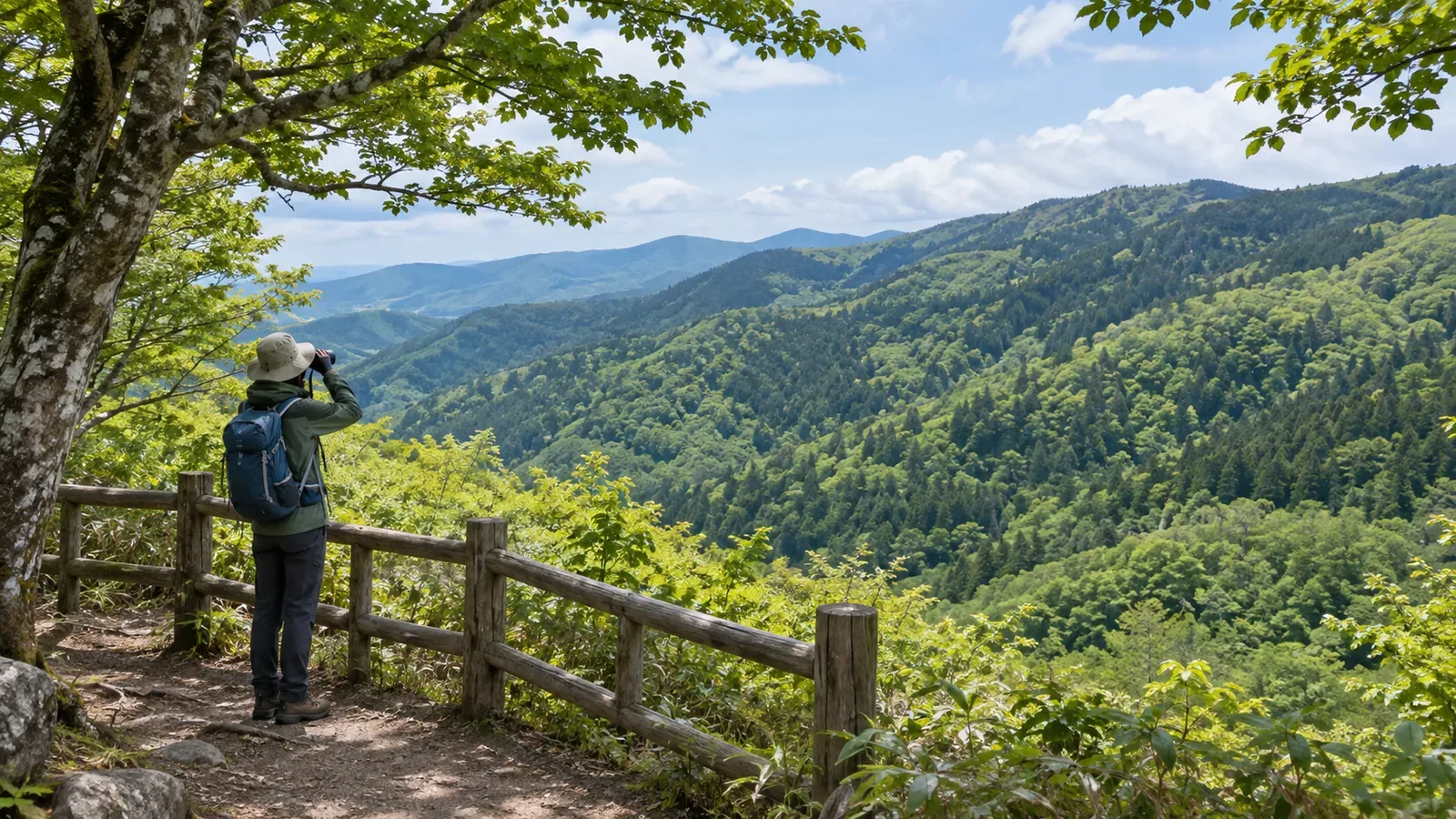
Give birds plenty of space when hiking during the breeding season. When people approach, adult birds may stop caring for their young or leave a nest, exposing eggs and chicks to danger. The Wild Bird Society of Japan’s guidance can help you keep your distance and decide what to do with photos and location details. Leave ample space from the start and move on if you discover a nest or fledgling.
Why distance matters to nesting birds and their young
According to the society’s photography guide, many birds breed between spring and summer. Adults that sense danger or change around a nest can stop rearing their young and abandon it. The society’s guidelines of 26 April 2022 advise moving away promptly from active nests and recently fledged young. If an adult leaves the nest, the eggs or young can be exposed to predators or cold.
Simply staying to watch can affect the adults’ behaviour, even if you are quiet. When one member of a group notices a nest, quietly tell the others to move on without calling them over. You can leave without sending someone closer to confirm what you saw. Agree to end the observation without showing everyone the exact spot.
Keep your distance from the outset and withdraw if behaviour changes
Follow any distance set by the site and leave plenty of room even where there is no posted limit. Give birds space without testing how close you can get. The society identifies an adult craning its neck to look, raising its feathers or calling as possible signs of alarm and advises staying clear of nests. It also lists flying away, fleeing, changing posture and giving alarm calls as possible signs of stress from getting too close. Withdraw quietly if you see a change.
Behaviour can have other causes. Give the bird space if your presence could be affecting it. The society notes that some birds freeze when approached too closely. Even a still bird may be disturbed. Keep your distance rather than moving closer for a better view or playing a recording to test its response.
Before departure, agree with companions to stop watching if you spot a nest or recently fledged young. Lower binoculars or the camera and check your footing and where you are going before leaving. Nagano Prefecture advises waiting in a safe place on the uphill side of narrow paths and staying away from the drop. Look where you are going. Avoid backing up while watching the bird and reconsider any route you chose on the map if the footing is different on the day.
How to move on the trail
Stay on the trail if you see what looks like a nest. Japan’s environment ministry asks visitors to stay on boardwalks and paths in national parks, and the Wild Bird Society of Japan asks them to stay on footpaths and observation trails and avoid private and restricted land. When you leave, stay on the path, check your footing and choose a direction that takes you away from the nest. You can return the way you came if you can safely turn back. That is our suggestion for applying both sets of guidance.
If you stop to watch, keep tripods out of pedestrian areas, avoid occupying a spot for long or crossing in front of other observers, and leave room for others to pass. On narrow trails, anyone avoiding an obstruction might have to step towards the bird. A short stop where the passage remains clear is easier on the birds and on other hikers.
Avoid calling birds over or making them move. A recording or bird caller can mimic a territorial intrusion, drawing a response that uses energy and may lead a bird to leave its nest. Avoid chasing birds or deliberately making them fly for a photo.
Take food and rubbish with you. The environment ministry asks national park visitors to leave wildlife unfed and take out rubbish whose smell could attract animals. Bag wrappers and leftovers and check for anything you dropped before leaving. Keep the area as it is while you watch, without setting out bait for a photo or moving branches.
Near villages, keep binoculars and scopes pointed away from houses, passers-by and people working in fields. The society also warns against trespassing and notes that crowds can affect traffic and farm work. Before stopping where other observers have gathered, check whether the spot is open to visitors and leaves a passage.
Keep nest photos private and handle location details carefully
Even when you keep your distance, the information you share can put a nest at risk. The Wild Bird Society of Japan says reports about rare or popular birds spread quickly through social media and email, and notes that hundreds of visitors have shown up the following day in a growing number of cases. It advises keeping precise locations private even among acquaintances because tips can spread.
Keep photos of active nests and newly fledged birds off social media, even after a delay. Keep any location as broad as the prefecture and remove GPS data from images. Buildings and scenery can reveal the place. For a vagrant or rare bird, the society suggests waiting until it moves on and saying it has left when you share.
Summit signs, huts and distinctive ridges often appear in hiking photos. The simplest way to protect the location of a nest is to keep photographs linked to it private. That is our suggestion based on the warning that backgrounds can reveal a place. Make a checklist before sharing: look for active nests or fledglings, verify that GPS data is gone, check for clues in the background and look for exact locations in the text.
Give nests space and avoid testing the bird’s reaction
If you spot a nest or fledgling, check your footing and withdraw quietly on the trail. Keep photos and location details private. Step away at signs of alarm, keep your distance from nests, stay on the trail, avoid playback and take food and rubbish with you. These steps help adults return to their nests.
Do three things before leaving. Agree to move on if you find a nest, pack a bag for wrappers and leftovers, and decide what to check before posting. Breeding dates, access restrictions and observation site rules can change by place and year. Check the latest guidance from the local authority or land manager and follow posted signs and directions on site.