
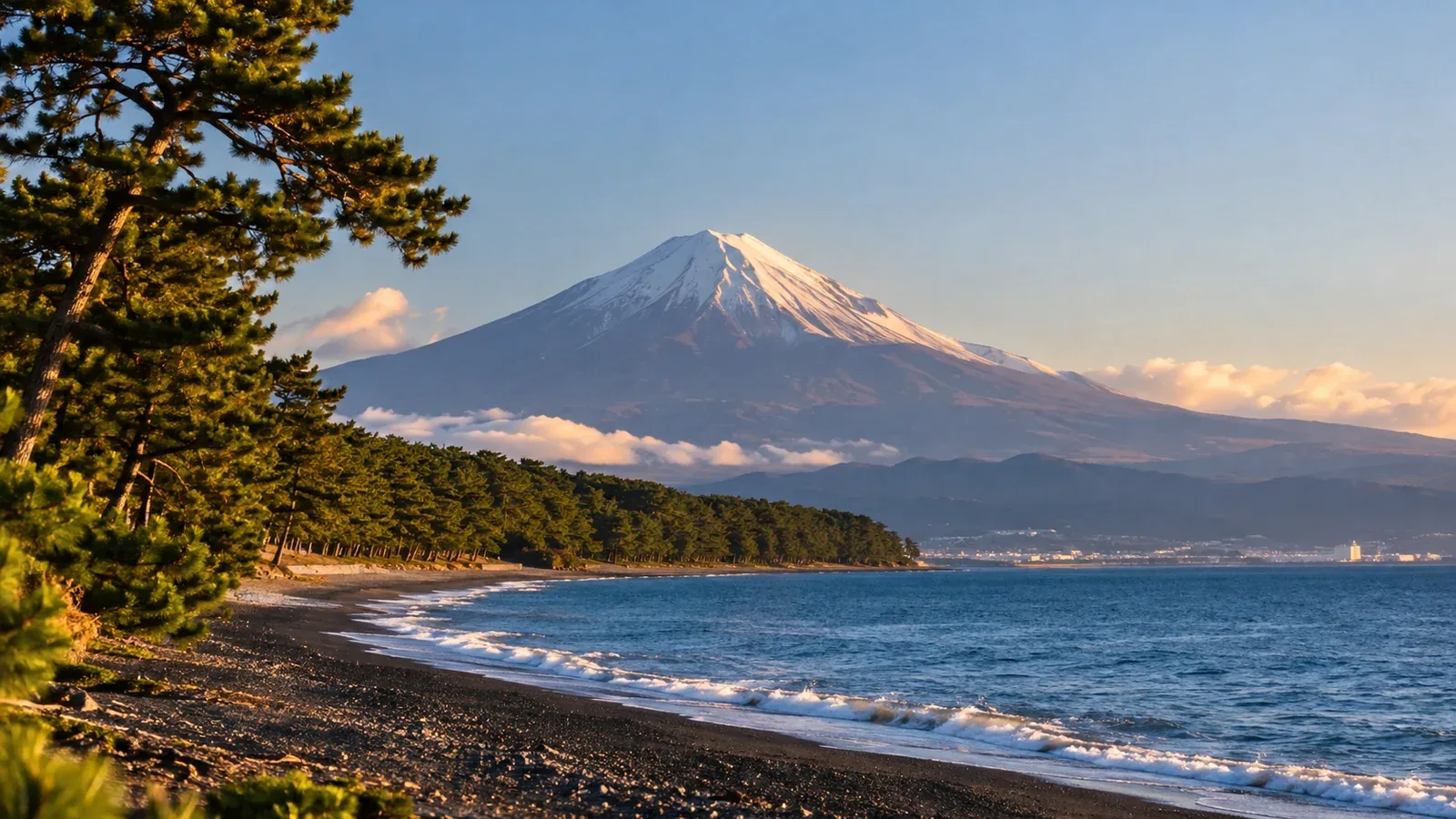
On June 22, 2013, the UNESCO World Heritage Committee decided to inscribe Mount Fuji, Japan’s highest peak, as a cultural World Heritage Site. The committee adopted its decisions on June 26, finalizing the inscription.
Pilgrims climbed to the summit as an act of faith. Artists on distant shores drew the mountain in the landscape. The ways people have climbed and viewed Mount Fuji explain why it was listed.
Faith and art in the official name
UNESCO inscribed the property as Fujisan, sacred place and source of artistic inspiration. The committee recognized the traditions of worship surrounding the mountain and the way it has been depicted in art and literature.
Criterion (iii) concerns the cultural tradition that survives in devotional ascents and pilgrimage. Criterion (vi) recognizes the poetry, stories and pictures the mountain inspired, and the influence its image had on art around the world.
From consideration as natural heritage to a cultural nomination
Early efforts sought recognition as natural World Heritage. In 2003, Japan’s domestic review left Mount Fuji off the final shortlist. Conservation issues also shaped the discussions around that time.
- Waste and sanitation required attention as visitors and hikers continued coming to the mountain.
- Development at the foot of the mountain was one factor behind the decision not to nominate Fuji as a natural site, according to the Shizuoka Prefectural Mt. Fuji World Heritage Centre.
- Comparison with other volcanoes was another issue. Supporters needed to show what set Fuji apart from similar volcanoes already on the list.
Yamanashi and Shizuoka prefectures then helped document places associated with worship and art, put conservation plans in place and pursue a cultural nomination.
Climbing as an act of faith
Mount Fuji’s repeated eruptions inspired awe and prayer. Sengen shrines were built at its foot, and ascent routes took shape around Shinto and Buddhist beliefs. Some pilgrims purified themselves in lakes or springs before heading for the summit.
During the Edo period, Mount Fuji devotional groups known as Fuji-kō spread. At the foot of the mountain, oshi religious guides hosted pilgrims. In Edo and elsewhere, people built small mounds called fujizuka in the image of Fuji. The climb itself was an act of prayer.
Mount Fuji in pictures and verse
Katsushika Hokusai’s Thirty-Six Views of Mount Fuji and Utagawa Hiroshige’s woodblock prints show Fuji from coasts, roads and other settings. In nineteenth-century Europe, Japanese prints influenced the work of painters including Claude Monet and Vincent van Gogh.
The Man’yōshū anthology includes poems about Fuji. Across centuries, the sight of the mountain from afar has inspired verse, stories and paintings.
Twenty-five component sites, including Miho no Matsubara
The property brings together 25 component sites, including the mountain area with its summit and pilgrimage routes, Fujisan Hongū Sengen Taisha shrine, oshi lodging houses, lakes, springs and Shiraito Falls. The Miho no Matsubara pine grove also forms part of the site, preserving a view of Fuji across Suruga Bay depicted in works of art.
Managing crowds, environmental pressure and climber safety remains part of protecting the property. Opening dates, access rules and fees can change by route and year, so check the official climbing website before you go.
Before climbing Fuji, learn what pilgrimages followed your route and where artists once stood at the foot of the mountain or along the coast. You’ll have more to look for on your way to the summit.
References and sources
- UNESCO World Heritage Committee: decision on the inscription of Mount Fuji
- World Heritage Fujisan: timeline of the inscription
- Yamanashi Prefectural Fujisan World Heritage Center: the road to inscription
- Shizuoka Prefectural Mt. Fuji World Heritage Centre: World Heritage column no. 40
- Agency for Cultural Affairs: Mount Fuji on the Cultural Heritage Online portal
- The Metropolitan Museum of Art: The Great Wave: The Influence of Japanese Woodcuts on French Prints
- UNESCO World Heritage Centre: maps and component sites of Mount Fuji
- Official website for climbing Mount Fuji: climbing season