
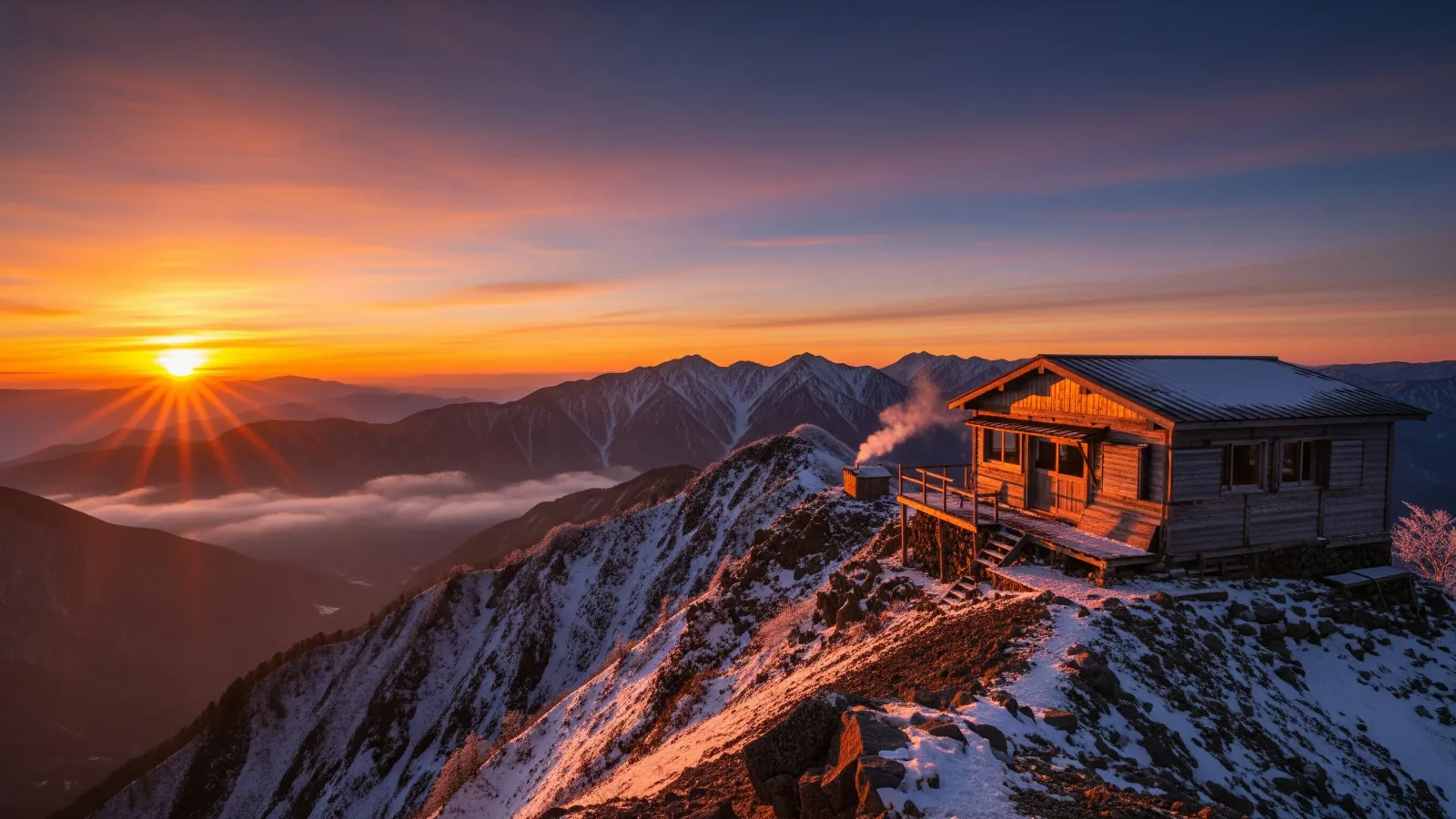
“Someday I'd love to sleep in a mountain hut and walk a ridgeline at sunrise.” It's easy to see the appeal when you're getting into hiking. How do you decide if an overnight trip is the right first step for you? Compare what each type of hike asks of you, then build up to a trip that fits your experience.
How do day hikes and overnight trips differ?
Spending a night in the mountains changes what you need to carry, how much stamina you need, and the decisions you'll have to make along the way.
Start with time on the mountain. A day hike usually lasts a few hours to about half a day. An overnight trip lasts at least two days and one night, and can run for several days. More time out means more exposure to sudden changes in the weather and more opportunity for fatigue to build.
Then there's the gear you carry. For a day hike, a pack of around 20–30 L will generally fit the basics, including water, trail snacks, and rain gear. A night in a hut or tent can add spare clothes, a sleeping bag, and extra food, depending on your plans. As a rough guide, consider a pack of 40 L or more. A heavier load puts more strain on your legs and makes it easier to lose your balance.
An overnight trip also calls for more complex decisions. If the weather turns, should you press on to the hut or turn back? What if someone in your group feels unwell? Reading can help, and repeated day hikes give you a feel for how conditions change in the mountains and how to respond.
What beginners often overlook
Day hikes carry risks of their own, including losing the trail, falling, or being caught by a sudden change in weather. Falls during the descent are commonly reported. One explanation is that hikers relax and pay less attention after reaching the summit. File a climbing plan and carry your basic gear, even for a day hike.
How to submit a climbing plan and where it is mandatory vary by prefecture and mountain area. Check the latest local guidance before you go.
Why beginners should start with day hikes
For most beginners, a day hike is the best place to start.
The main reason is that it's generally easier to turn back if something changes. If the weather worsens or you feel unwell, you can decide to head down. With no overnight stay in your plans, you face fewer risks from spending extended time on the mountain.
A few day hikes also help you understand your own fitness. How long does it take you to climb 500 m? How do your legs feel after five hours of walking? Those answers will be valuable when you plan your first overnight trip.
How to build up to an overnight trip
This progression is a general guide to building experience at a manageable pace.
- 1. Day hike on a low mountain, with a summit a few hundred metres to around 1,000 m high. Follow a well-maintained trail and practise basic walking technique, using your gear, and setting your pace.
- 2. Longer day hike of about five to seven hours. See how your stamina holds up and practise planning when to eat and drink on the trail.
- 3. Overnight hike with a mountain hut stay. Get used to carrying more gear and spend a first night in the mountains.
- 4. Camping or a multi-day traverse. These trips require more specialised gear and sound judgement. It's safer to gain experience on several hut trips first.
The elevations and hiking times are rough guides. What you can manage varies with fitness, weather, and route conditions. Check current information before your hike.
What day hikes teach you about overnight trips
If you're keen to stay in a mountain hut, it can be tempting to skip straight to an overnight trip. Each day hike gives you a chance to build skills you'll use when you spend the night in the mountains.
First, learn how to layer your clothing. As a rule of thumb, the air temperature drops by about 0.6°C for every 100 m of elevation gain, although this varies with conditions. Even on a day hike, the summit can feel very different from the trailhead. Practising when to put on or take off a layer helps you manage your temperature on overnight trips.
Second, find a pace you can sustain. Overnight trips often involve longer days on foot. Go too fast early on and you can run out of energy before the day is over. Practise walking at a pace you can keep up to the end of a day hike.
Third, learn to notice changes in the weather. Mountain weather shifts quickly, especially in the afternoon when clouds can build and develop into thunderstorms. Day hikes give you practice spotting cues such as a change in the colour of the sky or a shift in the wind. Recognising those changes can help you make safer decisions on overnight trips.
Summary
Day hikes and overnight trips call for different gear, stamina, and judgement. For beginners, the strongest reason to start with day hikes is that it's generally easier to turn back. The experience you gain is a solid foundation for an overnight trip.
Give yourself time. Two or three day hikes on low mountains can tell you a surprising amount about your fitness, how you walk, and which gear you need or can leave behind. Use what you learn to plan a hut stay or a night in a tent that suits you. Get to know the mountains and your own abilities one hike at a time.