
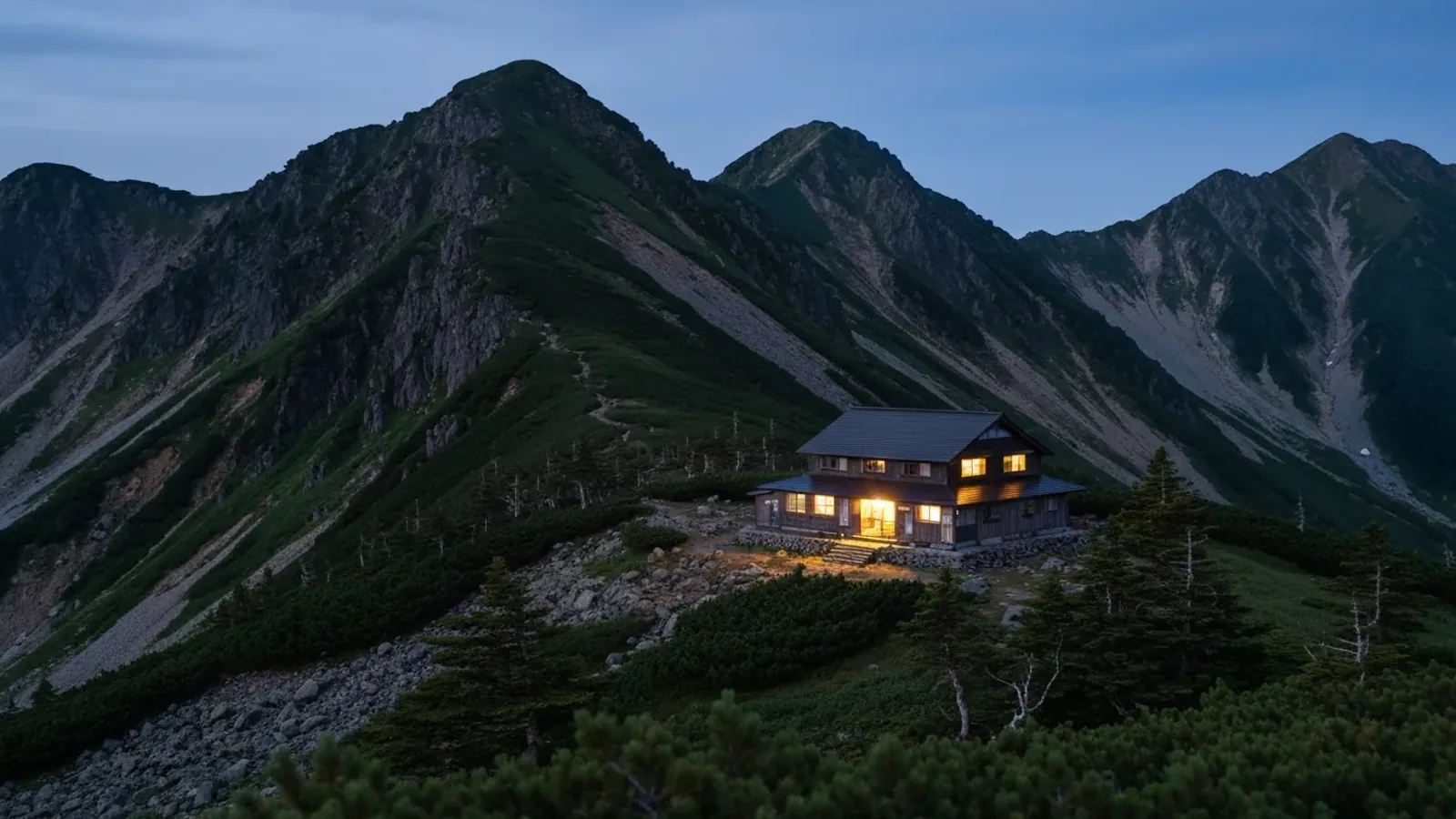
Can you just show up at a mountain hut and stay the night? There was a time when walk-ins were the norm, but more huts now require a reservation. Here's how to book, what to do when you arrive, and a few points of hut etiquette that make a first stay more comfortable.
Booking a mountain hut
Assumptions about reservations can catch first-time guests off guard.
Some huts still take walk-ins. In popular mountain areas in summer, reservation-only huts are common. Many operators use reservations to manage capacity and make overnight stays more comfortable.
Timing matters. Check the opening date, because places at popular huts can fill quickly once bookings open, sometimes one or two months ahead. In the 2026 season, for example, the Yarigatake Sansō group generally opened bookings a month before each stay. Check availability while you plan the hike.
Booking varies by hut. Some take reservations only by phone, while others use their own website or a booking service. Check these details when you book.
- Rates, which may vary for a bed only or a stay with dinner and breakfast.
- Payment. Check whether you must pay in advance or at the hut and whether cards are accepted. Bring small yen denominations and exact change when practical, since change can be limited.
- Cancellation policy. You may be charged even when you cancel because of weather.
- Expected arrival time. Always let the hut know if you'll be late.
Policies vary, so check the hut's official website or latest information before you go.
From check-in to lights-out
First stays can feel awkward if you aren't sure what to do on arrival. It helps to know how the evening usually goes.
Go to reception when you arrive and give your name and booking details. If you haven't prepaid, this is usually when you settle the bill. Once your sleeping spot has been assigned, stow your gear where staff direct you.
Mountain huts keep different hours from accommodation in town. Many serve dinner around 5–6 p.m. and turn the lights off around 8–9 p.m., so everyone can get an early start the next morning.
Use the time before dinner to enjoy the view from a bench outside or check your route for the next day. Other hikers may have useful news about a trail or a change in the weather. Even if you came alone, conversation often starts naturally around a shared dining table.
After lights-out, use your headlamp as little as possible. If you need it, switch to red mode or shade the light with your hand. Red light is less likely to disturb other people's sleep.
What to pack and how to share the space
Bedding can be a source of questions. Many huts provide futons and blankets. Some recommend bringing a sleeping bag liner, and you may prefer one for hygiene. During busy periods, two people sometimes used to share a futon. Reservations have made this less common. Earplugs and an eye mask can help you sleep.
The usual practice is to remove your shoes and leave them in the designated place. Mark your boots so you can find them in the morning rush. Huts with a drying room let you hang damp clothing, but space is limited. Leave room for others.
Check how the toilets work. Some huts ask for a small contribution, especially from day visitors. Fees vary, so have coins handy. Read any posted instructions, including those for composting or other specialized toilets.
Summary
A few details make a first night more comfortable. Book early, bring enough cash, stay quiet after lights-out and pack a sleeping bag liner, earplugs and coins.
The pleasure of a hut stay is spending the night in the mountains. A ridge at dusk, a sky full of stars and a sunrise over the peaks reveal a side of the mountain you miss on a day hike. If you have questions, ask someone who's stayed in a hut before.
Hikers in Nordwand's mountain chats share their hut experiences and updates on how busy places are. If you're planning your first stay, take a look at the community.