
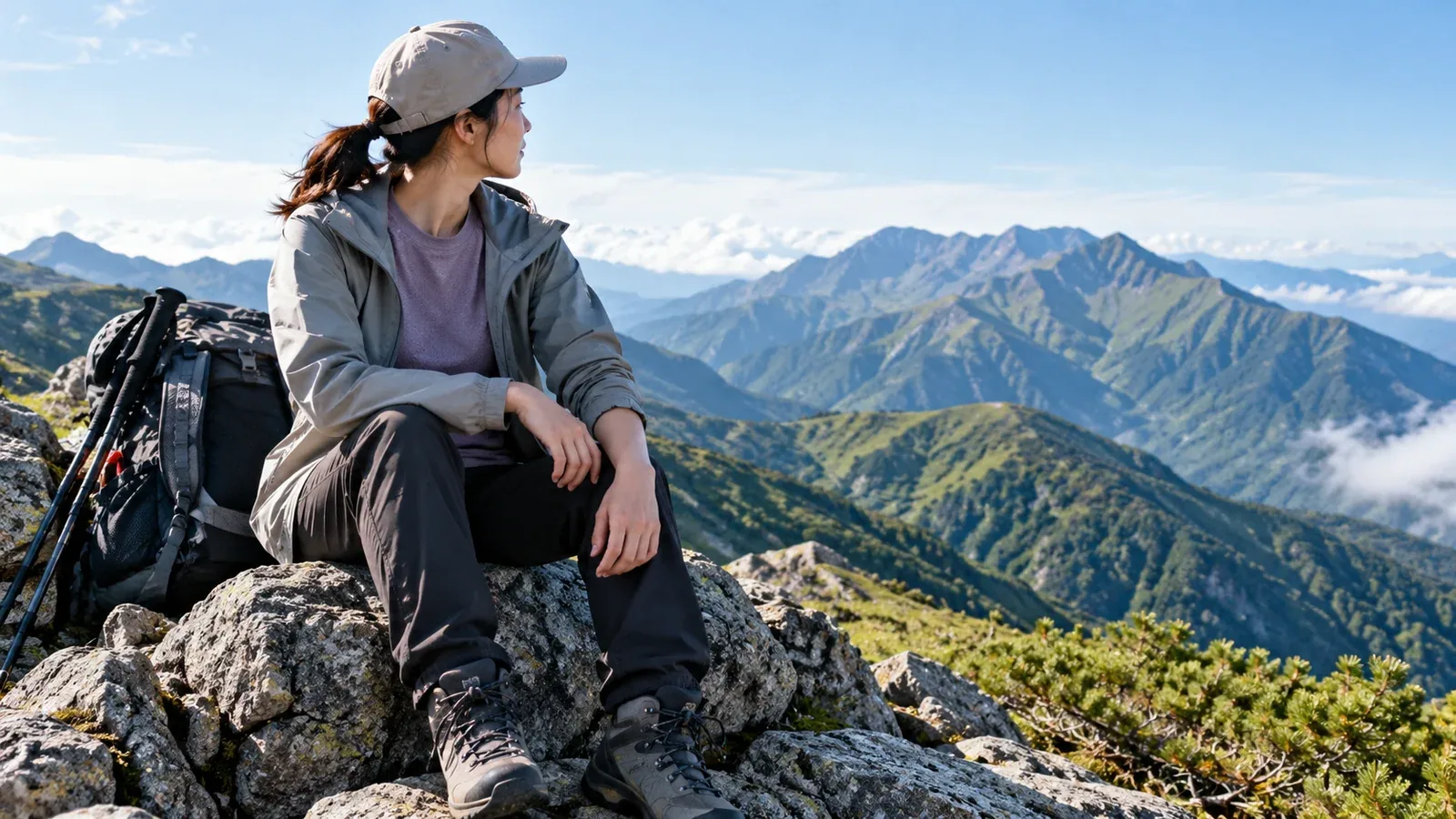
Can you put together a hiking outfit at Workman? It depends on the item. This guide looks at where clothing from the Japanese retailer can work and where a hiking-specific design or mountaineering standard matters.
Workman sells outdoor clothing as well as workwear. Intended uses vary by item. Before comparing prices, check which features suit the terrain and weather you expect.
Where Workman clothing can work for hiking
Workman offers outdoor clothing with details such as water resistance, breathability, and stretch. Compare intended use and specifications alongside price when looking at hiking brands.
Similar fabric ratings can hide differences in stitching, seam taping, and resistance to abrasion or washing. Breathability may be measured in different ways, so the numbers alone don't tell you how comfortable a garment will be. If you want to buy the same item again, check that the model number and specifications are still available.
Straightforward options: base layers and midlayers
Base layers are a good place to look at Workman. Consider moisture-wicking, quick-drying shirts or tights and check how freely you can move and how quickly they dry when you sweat.
Check these three points.
- Does the fabric dry quickly? Polyester-rich fabrics are one option. If you expect to sweat and getting chilled is a concern, avoid cotton-rich fabrics that take a long time to dry.
- Seam placement: thick seams around the shoulders or underarms can rub beneath pack straps. Check their position and thickness before buying.
- Room to move: raise your arms and lift your knees as you would on the trail. Check that the clothing doesn't pull tight.
Fleece and insulated midlayers are also options. Warmth depends on fabric thickness, insulation type, and how much wind gets through. Try the layer for its intended use, such as time in a hut or a break on a ridge. At high elevation or on winter ridges, take insulation suited to expected temperatures, wind, and the length of your stops.
Rainwear deserves a closer look
Choose rainwear with mountain weather and the consequences of getting wet in mind. Even on a short day hike, check waterproofing and seam treatment if rain is likely. On routes exposed to prolonged rain, strong wind, or cold, prioritize hiking rainwear suited to those conditions.
Here are three reasons.
First, consider breathability and ventilation. Sweating on a climb can wet the inside even with a breathable fabric. Check how you can adjust ventilation and layers without letting rain in.
Second, check seam sealing. Water can get in through seams and openings even with waterproof fabric. Look at which seams are taped, how the hood adjusts, and how the zips and cuffs are made.
Third, consider water repellency over time. Abrasion and dirt can reduce surface repellency. Whatever the price, follow the garment's instructions for washing and renewing the treatment.
If your budget is tight, adjust spending on other items first and leave enough for rainwear suited to the route and weather.
Choose hiking-specific footwear and mountaineering equipment
For equipment that directly affects safety, don't choose solely on price.
Hiking footwear needs to fit and offer grip, sole stiffness, and flexibility suited to the ground. Workplace safety footwear is designed for job-site requirements. Check separately whether the footwear works for long periods on uneven ground and slopes.
Crampons, chain spikes, harnesses, and helmets should be designed for the planned mountain activity. Check the relevant mountaineering standard and manufacturer compatibility for crampons, harnesses, and helmets. Use chain spikes only on terrain the maker specifies. Use full crampons where the terrain requires them.
How to combine clothing and specialist gear
A practical approach is to ask what happens if each item gets wet or breaks.
- Will it dry readily when wet? For base layers and socks, consider the fabric and how it feels on.
- Would losing performance put you at risk? For rainwear and footwear, prioritize a design suited to the route.
- Could a failure stop you moving or lead to injury? With soles and crampons, match them to the expected terrain and check for wear and secure attachment.
If you want to save, consider Workman for frequently replaced base layers and layers that can get dirty. Set aside more of the budget for your shell and footwear.
Try unfamiliar clothing on a maintained low-mountain trail where you can easily turn back. Check chafing, range of movement, and ease of temperature control before taking it on a longer hike.
Next steps
Look at the gear you already own and ask what would happen if it got wet or broke. Use the answers to prioritize replacements. At the store, read the label and inspect seam thickness and taping coverage. For rainwear and footwear, check the maker’s specifications or ask at an outdoor shop whether the model suits your route. Nordwand's partner-store search can help you find a shop nearby.
References
- Workman: rainwear water resistance, breathability, and care
- GORE-TEX: outerwear care and water repellency
- International Climbing and Mountaineering Federation (UIAA): standards for mountaineering safety equipment
- International Climbing and Mountaineering Federation (UIAA): equipment for ice, snow, rock, and mixed routes