
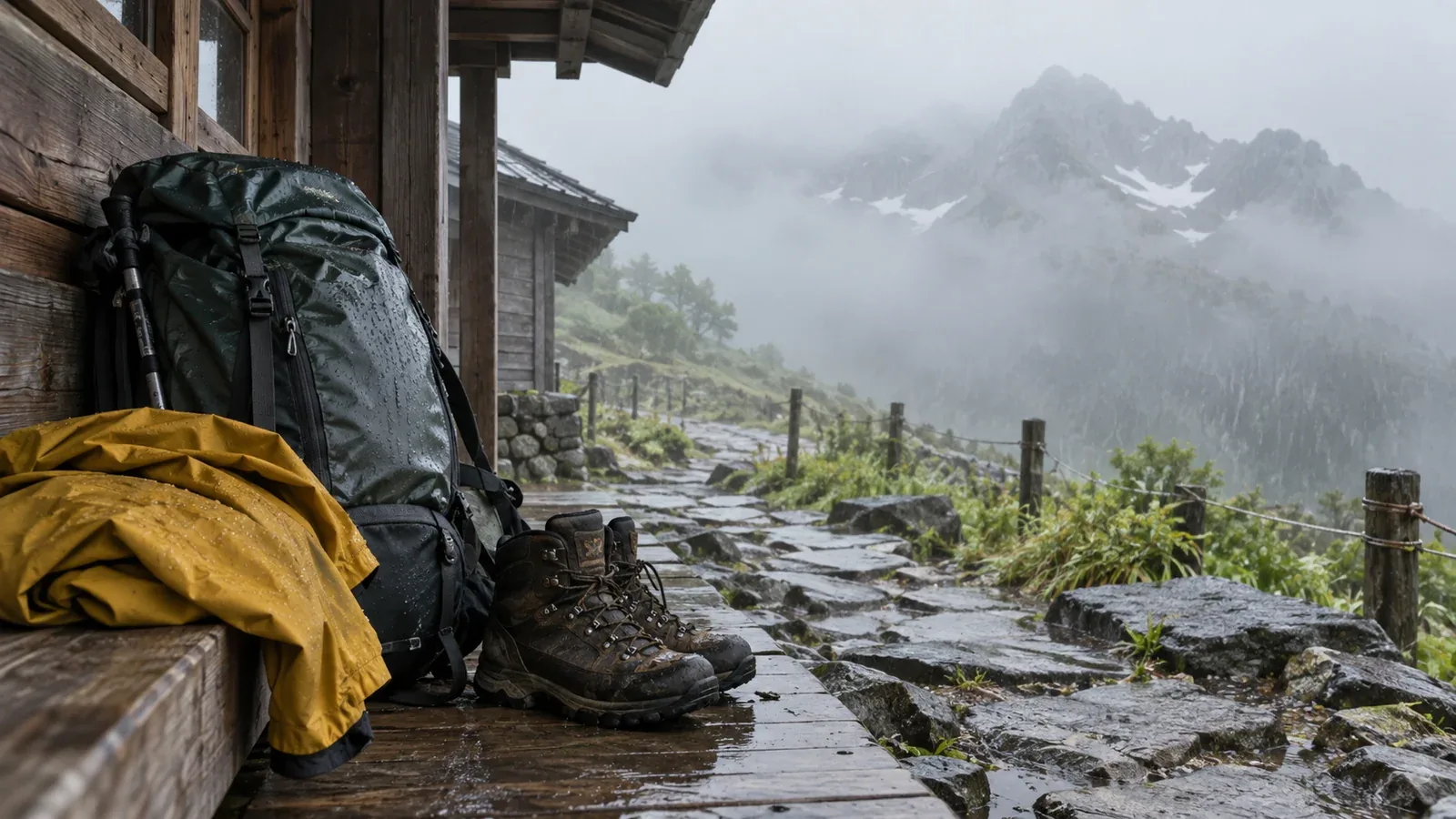
In the summer of 2026, Nagano recorded 129 mountain incidents involving 138 people. That was 14 fewer incidents than the year before, but the number of deaths rose by seven to 13. The incident count and the death toll measure different things. Police records show that trips and falls down slopes accounted for over half the incidents. The report also describes hikers unable to continue because of hypothermia in bad weather.
129 mountain incidents and 13 deaths
Nagano Prefectural Police recorded 129 incidents involving 138 people from July 1 through August 31, 2026. This was the second-highest since records began in 1954, behind the 143 incidents and 154 people recorded in 2025. Thirteen people died, seven more than a year earlier. One person was listed as missing.
Trips and falls at ground level were the largest category, at 38 incidents. There were 30 falls down slopes and 29 incidents involving fatigue. Together, the two categories of falls made up over half of the 129 incidents. Seven of the 13 deaths followed falls down slopes. Falls down slopes accounted for over half the deaths in Nagano’s summer figures. Alongside the weather, pay close attention to footing and exposure.
The Northern Alps accounted for 88 incidents, around 70% of the total. Police recorded 40 in the Ushirotateyama Range and 29 in the Yari–Hotaka Range. There were 76 incidents in July. Nagano Broadcasting reported that conditions became unsettled in August as typhoons approached and that the number of people affected by hypothermia rose to 13 that month.
Hiking patterns and weather change over the summer. News reports described frequent incidents in fine weather in July and hikers unable to continue in wind and rain in August. These accounts alone cannot establish how the severity or causes varied by month.
Hypothermia in wind and rain, even in a hot summer
According to the Japan Meteorological Agency, Japan’s average temperature from June through August 2026 was 1.02°C above the 1991–2020 average, the fifth-highest since 1898. Nagano police reported both fatigue associated with heat illness and hikers unable to continue because of hypothermia in bad weather. The 13 people affected by hypothermia in August, as reported by Nagano Broadcasting, are a separate figure from the 13 deaths across July and August. The nationwide temperature data and Nagano’s incident data cover different areas and dates.
Temperatures at elevation differ from those in the lowlands. Wet clothes and wind can speed up heat loss. Check forecasts for your mountain area and elevation when choosing clothing and equipment.
Even on hot days, pack warm layers and rain gear for wind and rain at elevation. If the forecast worsens or conditions deteriorate on the trail, shorten your route or turn back.
Two lightning incidents and a ground rescue on Mount Yari
Nagano police recorded two lightning incidents, on Mount Tsubakuro and Mount Yari. TV Shinshu reported that these were the first lightning injuries in the prefecture in 11 years, since 2015. According to police, in both cases the hikers were out during a thunderstorm or while a thunderstorm advisory was in effect.
On the morning of August 27, lightning struck near three hikers descending from near the summit of Mount Yari. Shin-etsu Broadcasting reported that a 43-year-old man suffered burns, including to his feet, and struggled to walk unaided. He received treatment at a mountain hut clinic, and the police were called for rescue. Bad weather prevented the helicopter from flying, and a ground team evacuated him on August 29.
The strike happened on August 27, and the injured man reached hospital on August 29. Bad weather hampered air rescue. The Japan Meteorological Agency advises leaving exposed places such as summits and ridges and seeking safer shelter promptly at signs of an approaching thunderstorm, such as thunder.
Reassess your route and equipment before bad weather leaves you unable to continue
Take reports of hikers immobilized by bad weather seriously. Cold and fatigue can combine with injury, strong winds or poor trail conditions to make an unaided descent unsafe. Each incident can involve more than exhaustion alone.
Running low on energy can contribute to an incident. Terrain and weather hazards need their own precautions. Shelter can be scarce on an exposed ridge. The longer you spend moving in wind and rain, the more you can cool down and tire.
Build room for bad weather and delays into your autumn plans. Check whether you can still descend in daylight after a delay, where and when you will turn back, and whether warm layers and rain gear are within reach if you get soaked or have to stop. If your time or equipment cannot cover the conditions, shorten or cancel the hike before setting out.
Nagano Prefectural Police advise checking weather information before leaving and allowing a margin in your itinerary. When rain, wind or a drop in temperature is expected, make your decision based on the latest forecast and your group’s equipment and fitness.
When hiking solo, you are responsible for your equipment and the decision to turn back. In a group, agree on equipment, when to turn back and how to keep in touch before you start. The police report provides no breakdown by solo and group trips, so it cannot establish how group size relates to these incidents.
Three lessons from summer 2026 for autumn hikes
Days get shorter in autumn, and high ground can see lower temperatures, snow or ice. The summer figures cover a specific period. Check the forecast and trail conditions for the day of your hike.
Review three points. Pack for rain, wind and cold at elevation, regardless of the heat in the lowlands. At the first signs of lightning, move promptly to safer shelter and remember that the weather can prevent air rescue. Watch your footing and decide in advance which sections to avoid if the risk of a fall is high. Seven of the 13 deaths in Nagano that summer followed falls down slopes.
Before your next hike, confirm how much daylight you have, where and when you will turn back, and what you will carry for wind, rain or an unexpected stop.
References and sources
- Shinano Mainichi Shimbun Digital: Nagano’s summer mountain incident count and number of people involved were the second-highest on record
- Nagano Asahi Broadcasting: Nagano recorded 129 summer mountain incidents, second only to 2025, with 13 deaths
- Shin-etsu Broadcasting: Nagano’s second-highest summer mountain incident count, with about 70% in the Northern Alps
- TV Shinshu: 129 summer incidents, seven of 13 deaths from falls down slopes, and two lightning injuries
- Nagano Broadcasting: 129 incidents involving 138 people and 13 deaths, seven more than the year before
- Shin-etsu Broadcasting: Lightning struck near three hikers descending Mount Yari, leaving a 43-year-old man with burns
- Shin-etsu Broadcasting: Rescue of a man injured by lightning on Mount Yari
- nippon.com: Japan’s summer 2026 average temperature ranked fifth on record
- Nagano Prefectural Police: 2026 Hiking Safety Book
- Nagano Prefectural Police: Summer 2026 mountain incident report, materials for the September 18 meeting
- Japan Meteorological Agency: Seasonal mean temperatures in Japan
- Japan Meteorological Agency: How to protect yourself from lightning
- Nagano Broadcasting: Mountain incidents in Nagano in July 2026 and preventing dehydration
- National Police Agency: Overview of mountain and water incidents in summer 2026
- Nagano Prefecture: Sanpo Shimazaki’s Mountain Bulletin, issue 407, on summer hypothermia