
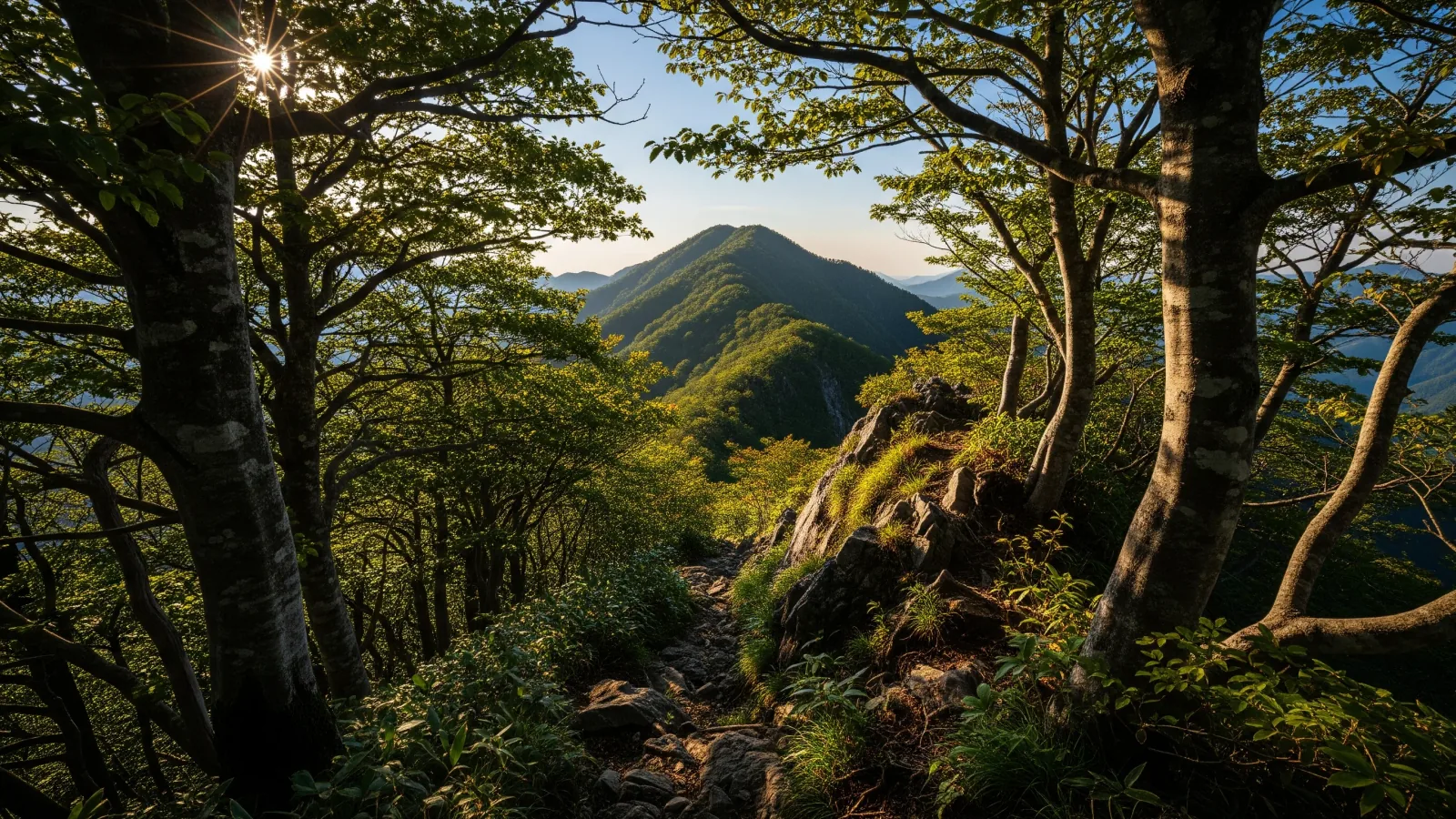
Have you ever wanted to climb a particular mountain, spent ages looking at the map, then decided against going on your own? Hiring a professional guide is one way to make that trip possible. Here’s what a guide does, what you can learn together and how much to budget.
What does a hiking guide do?
One way to assess a guide in Japan is to look for certification from the Japan Mountain Guides Association (JMGA), a public-interest incorporated association. The category and level determine which seasons and types of terrain a guide can work in.
The association uses several categories and levels. Here are three common categories.
- Nature guide. Introduces the natural environment, history and local traditions of places such as rural hills and uplands. The nature-guide credential alone does not cover trips whose main objective is reaching a summit.
- Hiking guide. Primarily leads trips on hiking trails. Some levels also cover snow-season hiking within set limits.
- Mountain guide. Leads more technical mountain routes in Japan. Activities such as rock-face climbing depend on the certification level. Ski guiding requires a separate credential.
Hiking guide and mountain guide are distinct categories. Terrain allowances vary within each category, and some hiking guide levels cover certain snowy mountains. For routes with features such as rock-face climbing or difficult snow ridges, check whether your intended route and season fall within the guide’s certification before booking.
Consult the Japan Mountain Guides Association website for the latest details on what each certification covers.
Three benefits of hiring a guide
1. Learn how to make decisions in changing conditions
A guide monitors the weather and how the group is doing, then decides whether to adjust the pace, change the route or turn around. It’s hard to turn back early when you’ve come a long way and want to reach the summit. With a guide, you can see what goes into that decision on the trail.
2. Find out why
On the trail you can ask where to place your feet or why it makes sense to leave a ridge early when the weather looks unsettled. A guide explains the reasons behind decisions and techniques. Connecting the explanation to the terrain and weather helps you remember it on your next hike.
Learning directly from someone with experience gives the information a depth that books and websites can’t always offer. Many hikers find that a lesson from another person sticks with them.
3. Try a route you would have put off
A traverse in the Northern Japan Alps, a trail with chains or a hike when snow still lingers may feel out of reach on your own. A guide can help you attempt a route within your fitness and skill level. They’ll ask about your experience and fitness before suggesting a route and a plan.
What it costs and what to ask about
Prices vary by guide, area, trip length and group size. The examples below are from rates published by providers and checked in November 2026.
- A snow-free day hike on a standard trail. The Kanagawa Mountain Guide Association lists ¥30,000 per day. The Japan Alpine Guides Association lists ¥40,000 per day in summer for up to three people. ¥30,000–40,000 reflects these two examples. Actual quotes vary.
- Two days with a night in a hut. You may need to cover expenses such as the guide’s lodging and travel in addition to their fee.
- Group bookings. If there is a group rate, you can split it among participants. Group limits and charges for extra guides vary by route.
You may be billed separately for the guide’s travel and accommodation. Ask for a breakdown of fees and expenses, and find out what happens if bad weather changes or cancels the trip.
The fee may cover advance route planning, weather checks and tailoring the hike to the group as well as the day itself. When comparing quotes, look at what you can ask the guide to do and what each price includes.
Pricing varies by guide. Ask for a quote and check the terms before booking.
How to find and book a guide
There are several ways to get in touch with a guide.
The Japan Mountain Guides Association lists active members and their credentials. Contact a member organization or a guide directly to book. You can also search in the area you want to hike or join a guided trip from a travel company or outdoor shop.
Above all, be honest about your fitness and hiking experience. A route beyond your ability can be unpleasant and risky. Saying it’s your first time helps the guide plan a hike you can enjoy.
In summary
Hiking with a guide helps you learn when to turn back and how to move on the trail. It can also make a route you were unsure about more approachable at your level. Check the guide’s certification and the quote before booking. A day hike together is a good place to start.
References and sources
- Japan Mountain Guides Association | Guide qualifications and scope of practice
- Japan Mountain Guides Association | Directory of active members
- Japan Mountain Guides Association | Frequently asked questions about hiring a guide
- Kanagawa Mountain Guide Association | Guide bookings and fees
- Japan Alpine Guides Association | Guided outings and fees