
A Range Apart from the Sierra
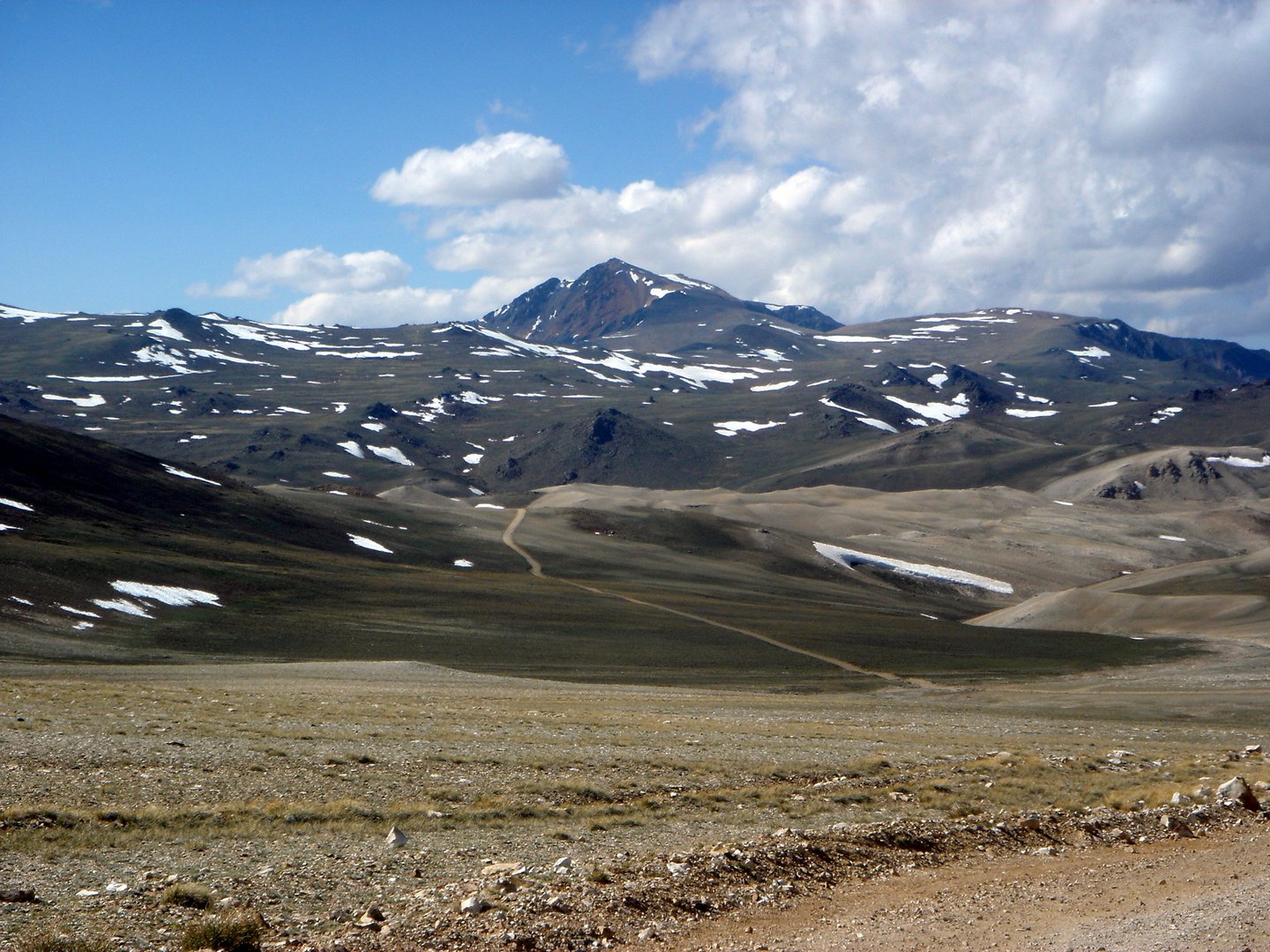
The White Mountains occupy a distinct position in eastern California, separated from the Sierra Nevada by the Owens Valley. White Mountain Peak is the high point of this range. The University of California's White Mountain Research Center operates both the summit laboratory and a lower research station on Mount Barcroft, about eight kilometers to the south, giving the network a range of elevations within a single mountain system.
Building the Research Infrastructure
Scientific use of the high elevations began at the Barcroft site in 1951, when Nello Pace and colleagues established a physiological research base there. Pace built the summit laboratory in 1955 with National Science Foundation funding.
First Use of the Summit Laboratory
Ralph Kellogg and three volunteers were the first to use the summit laboratory in 1956, the year after its construction, according to the University of California's timeline. The Barcroft station later hosted different research programs: George Smoot conducted cosmic background radiation work there, apart from the high-altitude physiology that defined the network's earlier history.