
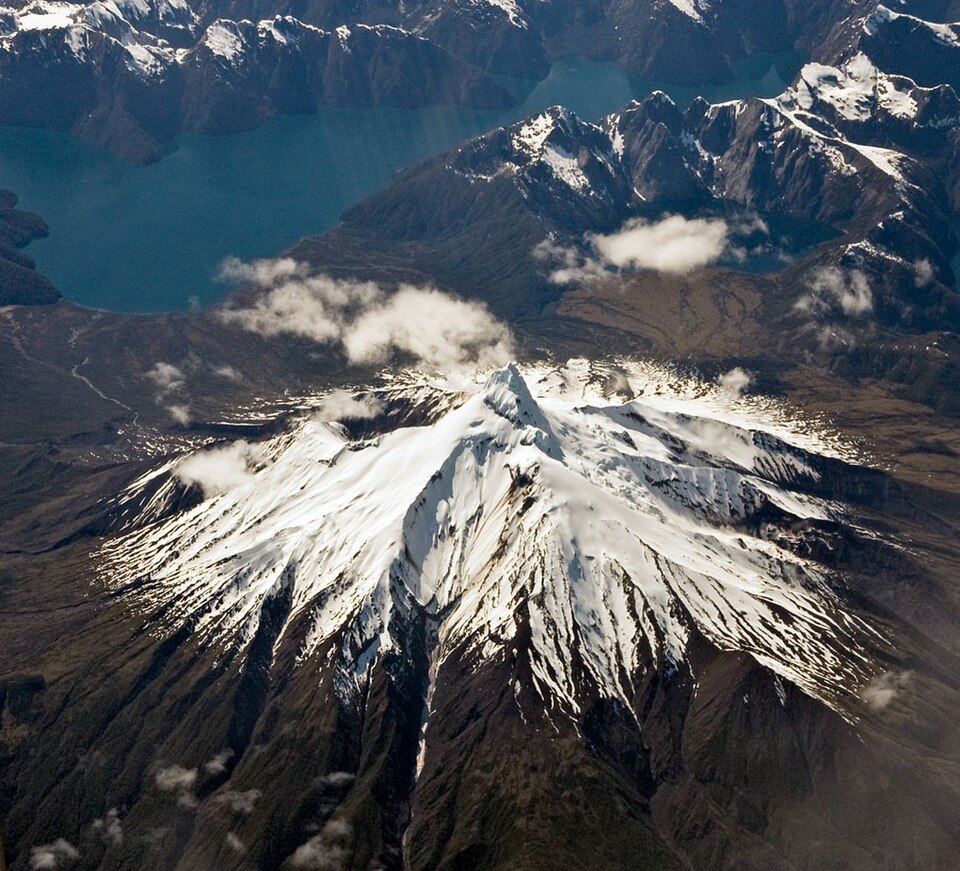
Geology and formation of the edifice
Glacial erosion modified the morphology of the main edifice. Younger scoria cones, post-dating the retreat of the ice, developed in the surrounding area, and a chain of lakes extends to the east.
Historical observations
Charles Darwin recorded observable activity in the area in 1834, and another observation was reported in 1835. The Global Volcanism Program classifies both records as uncertain eruptions. Research considers it plausible that this activity originated from smaller post-glacial cones.
Corcovado National Park
The 2005 decree created Corcovado National Park and included the volcano sector among its objectives for the protection of forest formations and wildlife. The park was expanded in 2007 and again in 2018 in accordance with the CONAF plan, which identifies the temperate rainforest as the central value of the territory.