
Pleistocene collapse and reconstruction of the edifice
During the late Pleistocene, a collapse of the earlier Calbuco edifice produced a debris avalanche that reached Lago Llanquihue. The stratovolcano subsequently rebuilt itself with predominantly andesitic materials.
The 1893–1894 eruption concluded with the formation of a lava dome within the crater. Other eruptive episodes enlarged the dome complex inside the crater.
The eruption of 22 April 2015
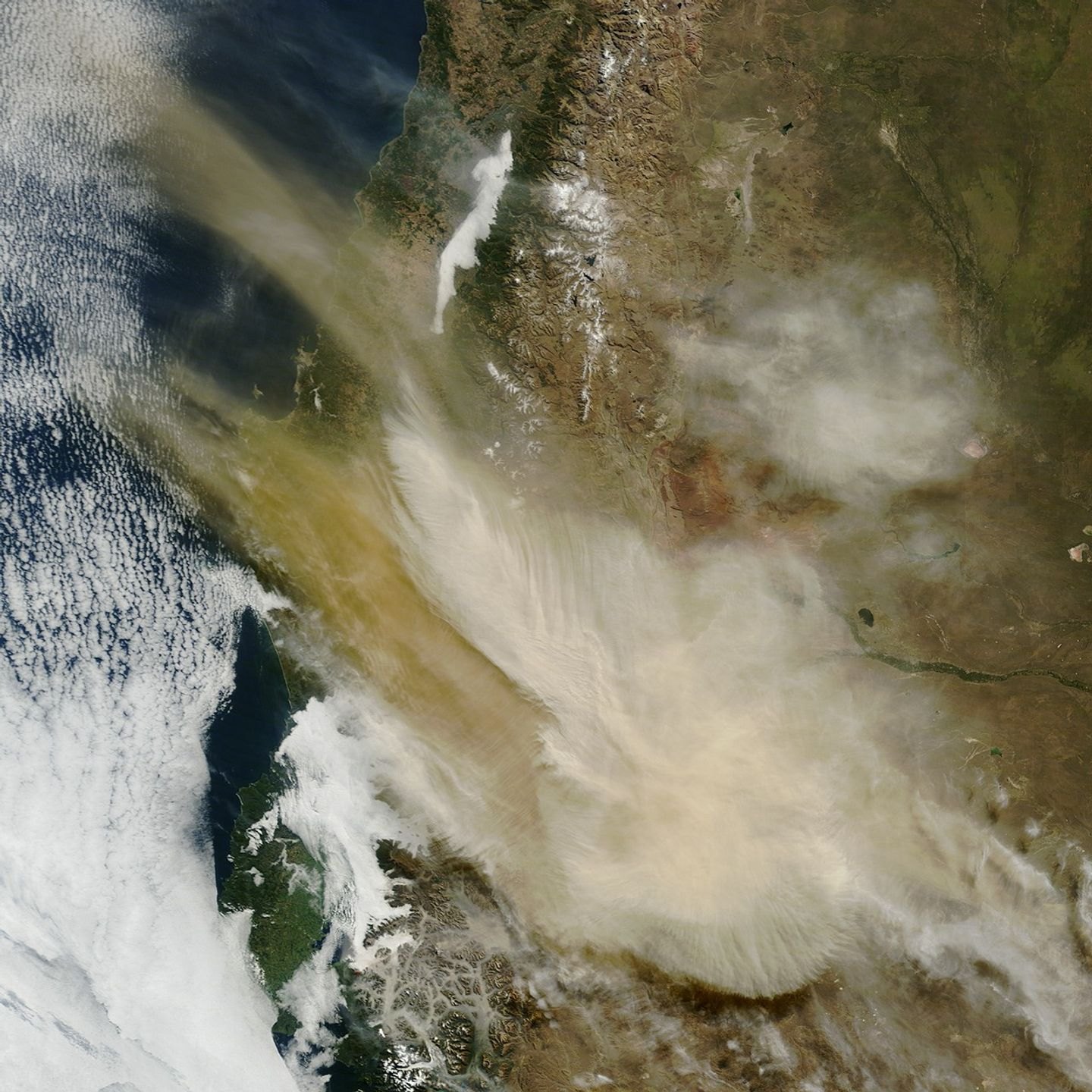
According to SERNAGEOMIN, an explosive eruption began at Calbuco on 22 April 2015. The stratigraphy of the episode includes fallout deposits generated by the eruptive columns and channeled products, among them lahars — flows of volcanic material traveling through the river channels near the volcano.
The volcano and Lago Llanquihue
Calbuco's position southeast of Lago Llanquihue defines the geographical setting of the volcanic complex. The debris avalanche produced during the late Pleistocene illustrates that spatial relationship: the deposits from that collapse reached the lake, making it possible to establish the extent of the event.