
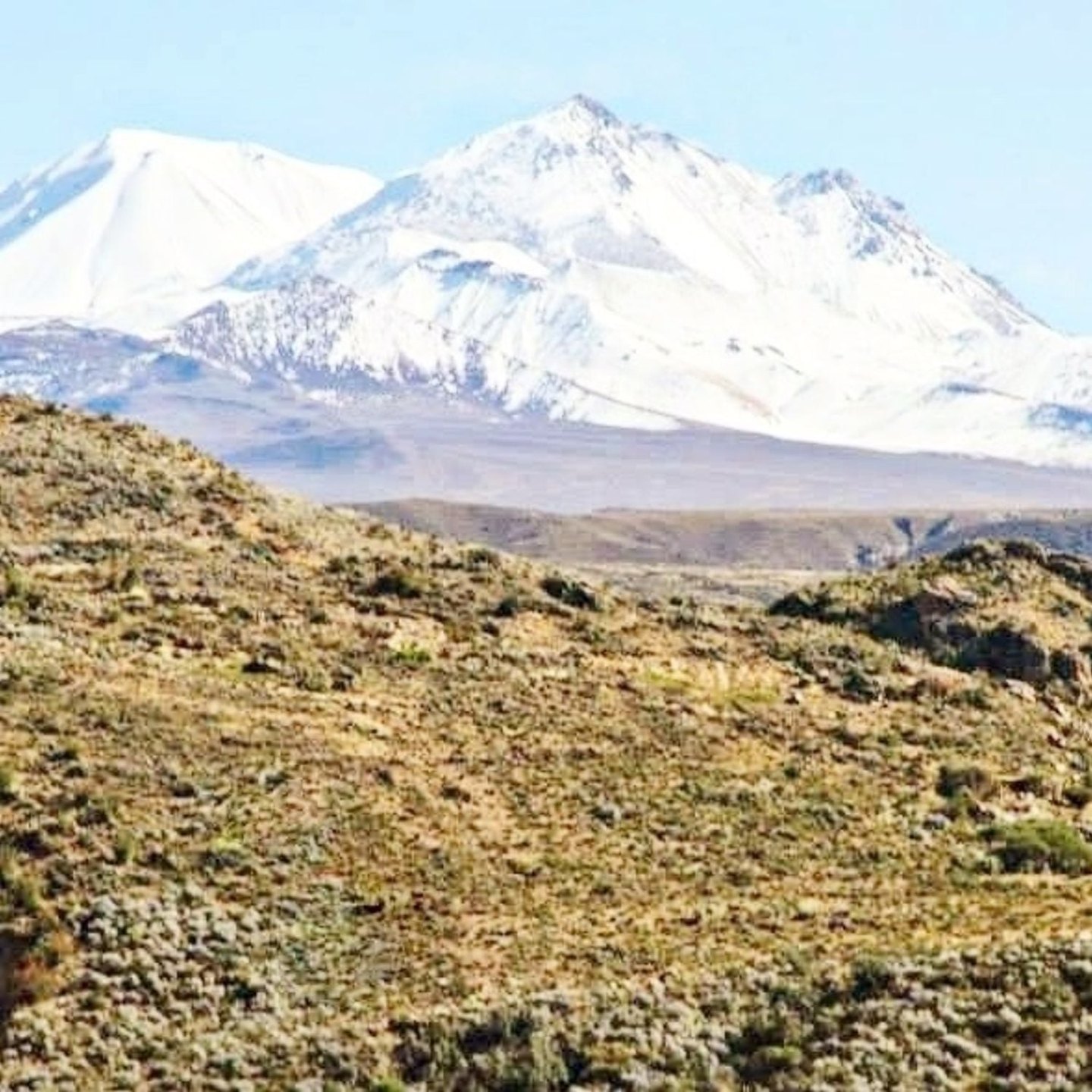
Internal architecture: altered basement and eastern domes
Research distinguishes at least two major groups of materials in Tutupaca. The deposits of the basal edifice show signs of alteration attributable to prolonged hydrothermal fluid circulation. In the eastern sector of the complex, blocks of dacitic domes are identified, whose composition and morphology set them apart from the materials of the altered basement.
The sector collapse and its products
A sector collapse generated an avalanche deposit to the northeast of the resulting amphitheater and was associated with a pyroclastic density current. The avalanche materials comprise fragments of the hydrothermally altered basal edifice and blocks from the dacitic domes of the eastern sector, products distinct from those generated by the pyroclastic phase. The precise sequence between the two processes has not been established.
Historical eruptive history and chronological revisions
The record of the Smithsonian Institution's Global Volcanism Program attributes to Tutupaca eruptive episodes between 1787 and 1789 and in 1802, based on work that re-examined the volcanic history of the region. That revision corrected an earlier attribution that had associated certain deposits with Yucamane volcano. The dating of some deposits retains a margin of uncertainty and does not allow a single year to be fixed as a definitive date.