
Six Forest Types Across an Elevational Gradient
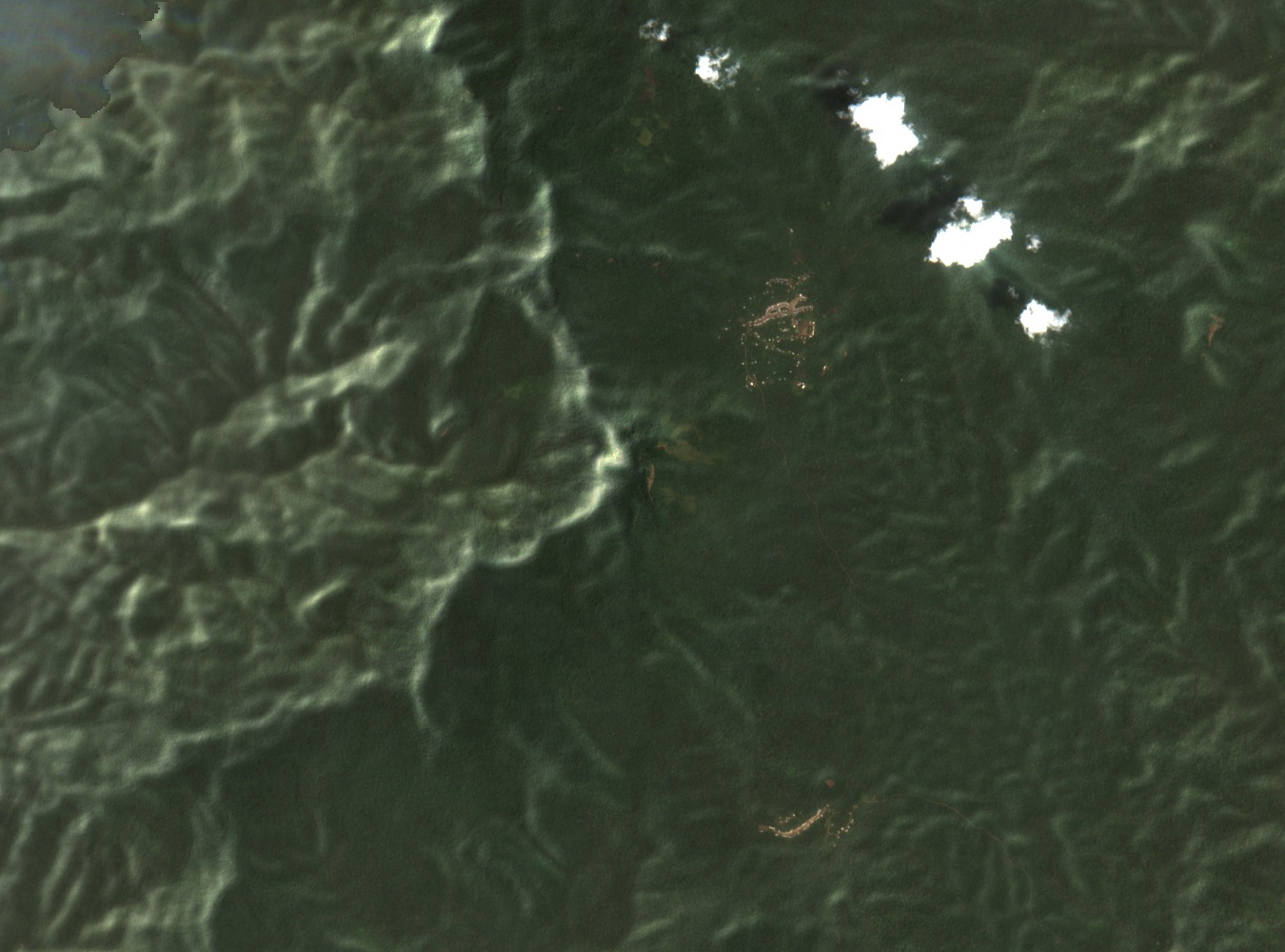
The 2019 Bothalia field study classified 25 plots into six forest groups, ranging from lowland rain forest to high montane cloud forest on Mount Rata. Basalt-substrate plots clustered between 250 and 300 metres, while the cloud forest plots reached 1,778 metres. The sampled area represented roughly 0.006 percent of the reserve, so the findings reflect observed patterns within those plots rather than a complete floristic inventory.
Important Bird Area Recognition and White-Throated Mountain-Babbler
The reserve received Important Bird Area designation in 2001. The IUCN APES Atlas records the white-throated mountain-babbler Kupeornis gilberti among species documented within the reserve, a range-restricted bird associated with montane forest in this part of Cameroon. The same IUCN profile notes a shift toward farmland and secondary forest observed between 2000 and 2014 in one land-cover source.
Early Botanical Survey and the 1941 Forest Ordinance
The reserve's protected status traces to a 1941 forest ordinance, confirmed in the Bothalia field paper. Early botanical records from the Rumpi Hills contributed to broader documentation of Cameroonian highland flora before systematic ecological plot studies were established. The 2019 Bothalia publication built on this foundation, applying a structured plot methodology to characterise the reserve's forest composition across its elevational range.