
Shipton and Tilman's 1930 Reconnaissance Ascent
Eric Shipton and H.W. Tilman made the first recorded ascent of Point Dutton during their 1930 Mount Kenya reconnaissance, completed before 31 July. Shipton referred to it as Dutton Peak in his first-person account published in the Alpine Journal in 1931, estimating its elevation at roughly 16,100 ft at the time. The climb formed part of a broader effort to survey approach options on the mountain's northern side.
An Observation Point for Batian's North Face and West Ridge
From Point Dutton, Shipton and Tilman gained sightlines across both Batian's north face and its west ridge, allowing them to assess feasible lines from two angles in a single position. Their observations from the summit led them to reject routes involving the Northey Glacier or higher sections of the north face, and instead to identify the col approach as the most viable option for a future attempt on Batian.
Geology of the Mount Kenya Volcanic Core
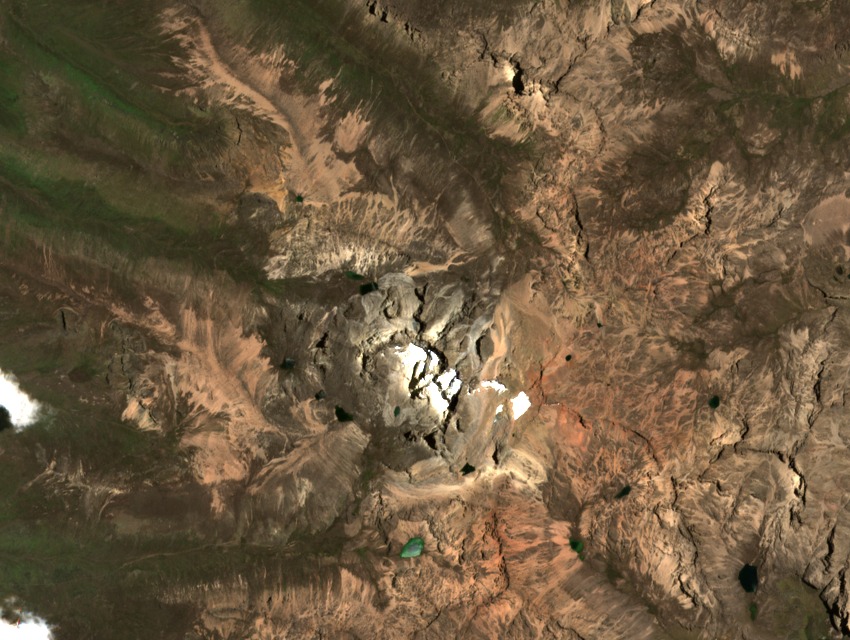
Point Dutton sits within the broader intrusive volcanic core of Mount Kenya, a feature documented by the Kenya Geological Survey in its study of the Mount Kenya area. The massif as a whole is composed of syenitic and phonolitic rocks formed through Plio-Pleistocene volcanism and subsequently shaped by glacial erosion, processes that produced the sharp ridges and satellite peaks characteristic of the high summit group.