
Watershed and the Canyon Beneath Rainbow Bridge
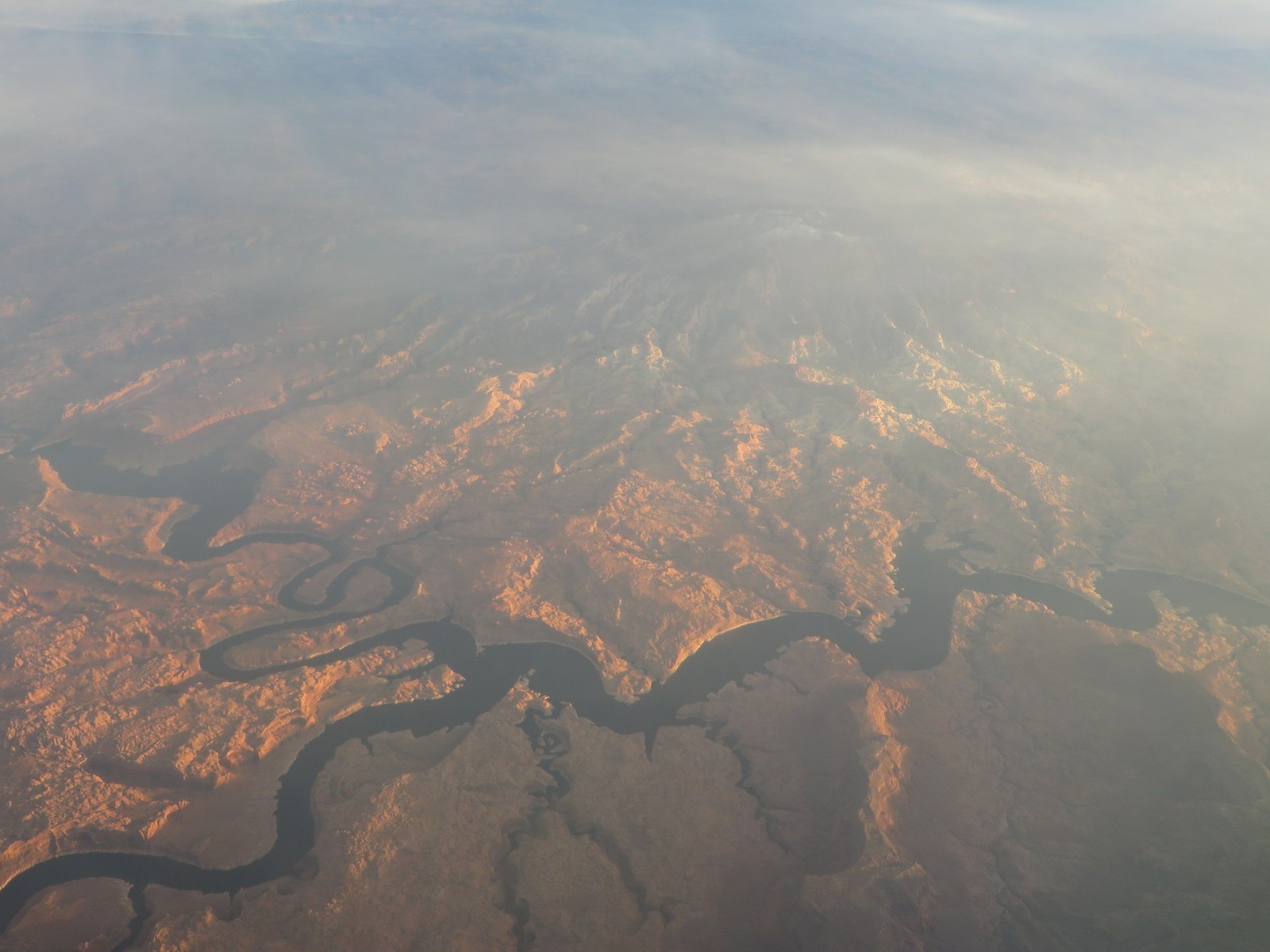
Bridge Creek drains part of Navajo Mountain's slopes, carrying runoff through incised canyon terrain before passing beneath Rainbow Bridge. The stream that carved the channel beneath this sandstone arch draws from the mountain's drainage, linking the two landforms hydrologically. Rainbow Bridge is a natural arch in sandstone, distinct from the mountain above it.
Refuge During the Long Walk
National Park Service records document that the terrain around Navajo Mountain served as refuge for some Navajo people during the 1864 Long Walk, when the U.S. Army forcibly removed Navajo communities to Bosque Redondo in present-day New Mexico. The mountain's isolation within the surrounding canyon country made it a place of shelter.
Sacred Landscape and Cultural Continuity
Associated Indigenous communities identify Rainbow Bridge and the surrounding landscape as sacred. The National Park Service's foundation documents for the Glen Canyon area recognize this cultural significance as part of the landscape. The connection between Navajo Mountain, its drainage, and these sacred sites reflects ongoing cultural relationships extending from the historical period into the present.