
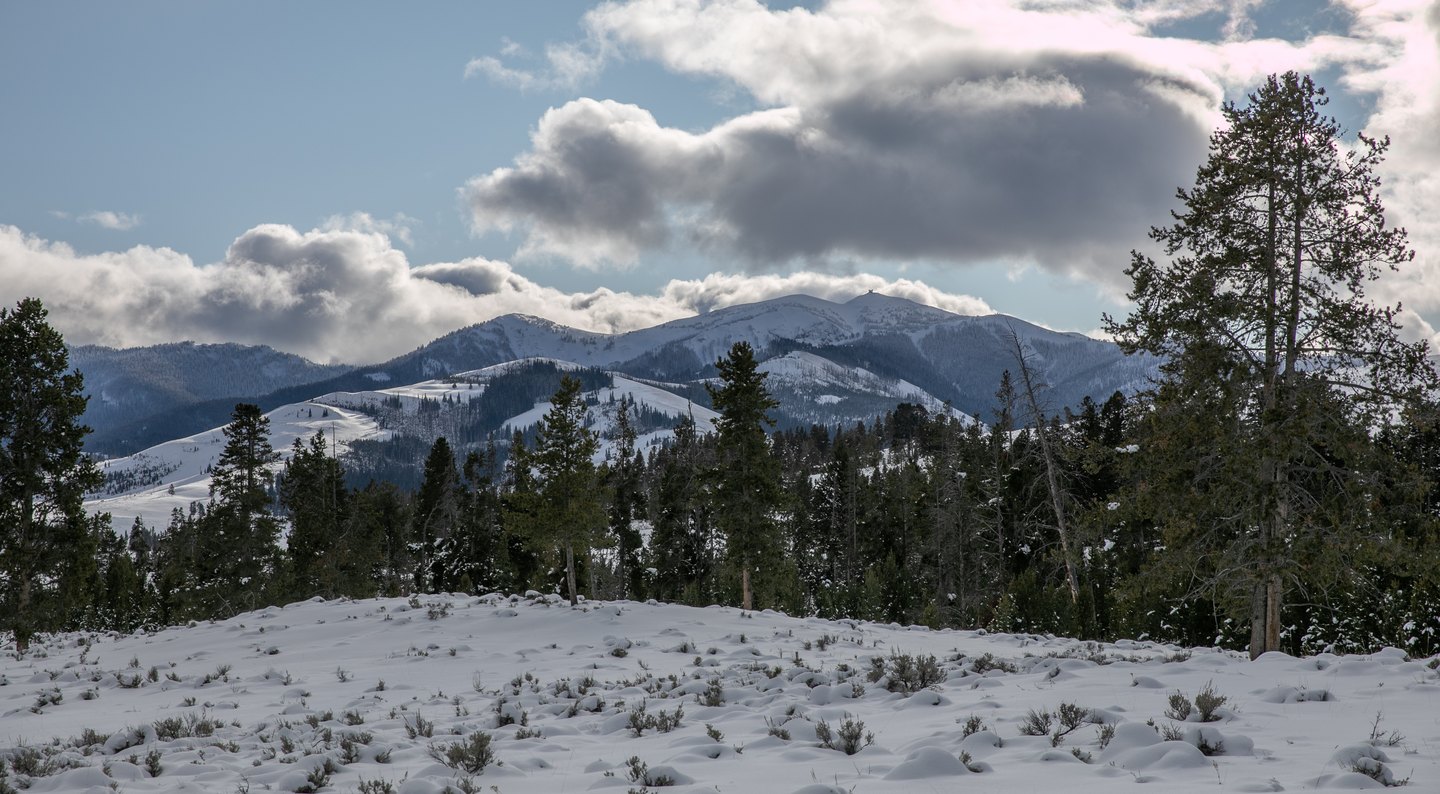
Volcanic History
The National Park Service identifies Mount Washburn as the northern remnant of a volcano belonging to the Absaroka Volcanics, an edifice roughly 50 million years old. A separate caldera-forming eruption approximately 631,000 years ago removed part of that older volcanic mass. The two episodes represent geologically distinct events in the region's deep history.
The 1870 Expedition
The mountain takes its name from Henry Washburn, Montana's surveyor-general, who led an 1870 Yellowstone expedition alongside Nathaniel P. Langford and U.S. Army Lieutenant Gustavus C. Doane. Langford published an account of their observations in an 1871 magazine article, bringing knowledge of the region's features to a wider audience.
The Summit Lookout
A fire lookout was established at the summit in 1921 and later replaced by a concrete and metal building completed in 1941, constructed with New Deal funding. The structure served to observe and report fires across the surrounding landscape, a role well suited to the mountain's elevated position.