
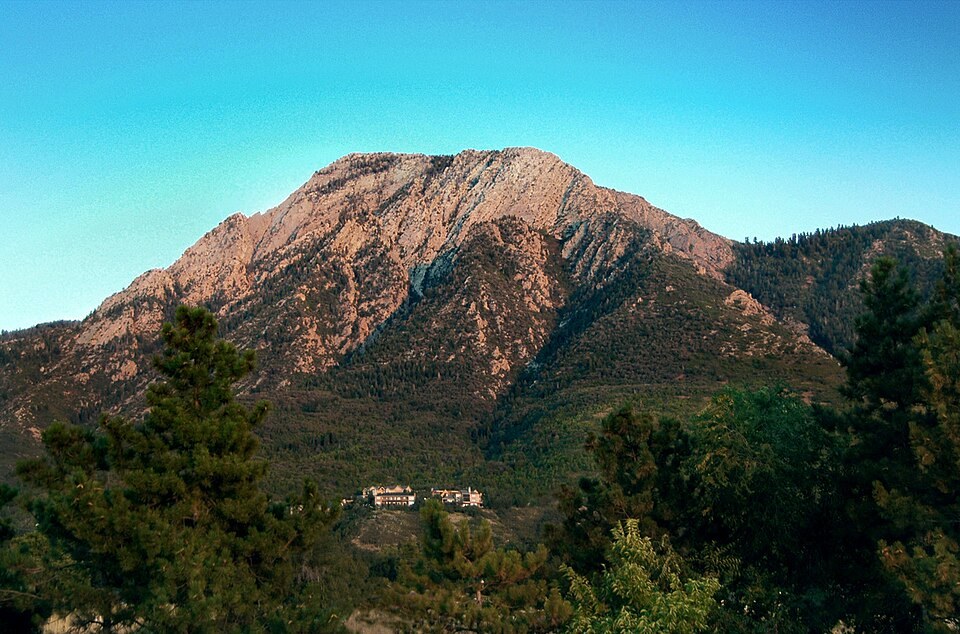
Geology of the Summit Faces
The Utah Geological Survey identifies the peak's bedrock as including Neoproterozoic formations arranged from south to north: the Big Cottonwood and Mutual formations underlie the southern portion, while Tintic Quartzite is mapped across the northern section and into Neffs Canyon. These layered, durable rock units are responsible for the mountain's prominent faces and resistant ridgelines.
Wilderness Designation
In 1984, Congress designated the Mount Olympus Wilderness under the Utah Wilderness Act, establishing federal protection for the steep terrain that rises immediately behind the developed valley floor. The designation means that protected wilderness forms a direct and visible part of Salt Lake City's eastern skyline, an unusual proximity between urban landscape and federally designated wild land.
Identity and Name
This peak is distinct from the Mount Olympus in Washington's Olympic Mountains and from the Millcreek neighborhood in Salt Lake Valley that shares its name. The Lists of John database records the summit elevation as 9,030 feet, consistent with the USGS figure of approximately 2,752 meters from the GNIS summit record.