
Volcanic Structure of the Massif
The Smithsonian Global Volcanism Program describes Mount Oku as a stratovolcano within a deeply eroded rhyolitic and trachytic massif along the Cameroon Volcanic Line. The broader volcanic field includes a large caldera, basaltic cones, and maars. These features are distributed across the field rather than concentrated at a single vent, reflecting a varied eruptive history. The massif's deep erosion marks prolonged modification of the original volcanic structures.
Lake Oku and Xenopus longipes
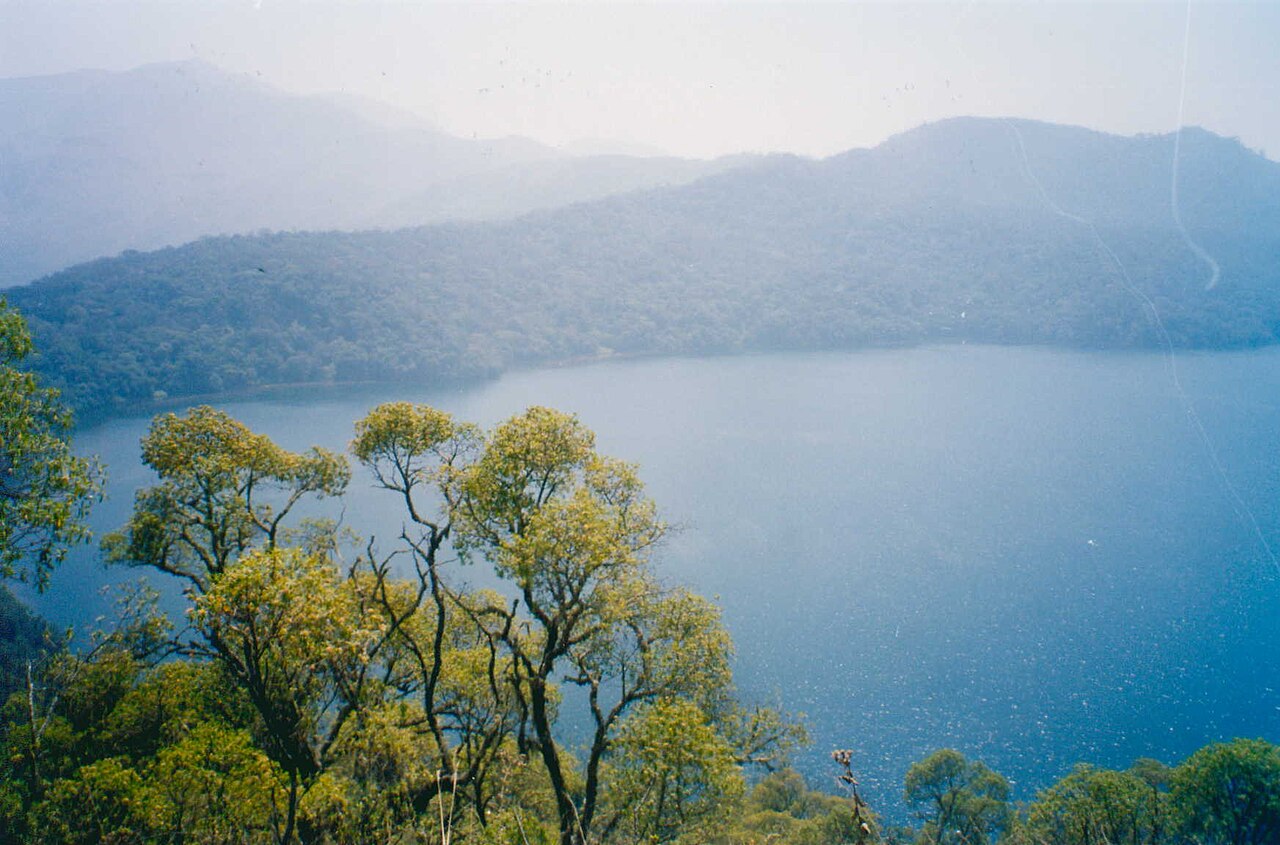
Lake Oku sits on the massif at approximately 2,220 metres. Field surveys and London Zoo documentation identify it as the sole known habitat of Xenopus longipes, a small aquatic clawed frog recorded from no other location. Field studies have also documented additional amphibian species in the broader montane habitats of the massif, establishing that the area's herpetological significance extends beyond the lake itself.
Kilum-Ijim Forest and Community Knowledge of Fungi
The Kilum-Ijim forest borders the Oku, Kom, and Nso communities. Teke and colleagues carried out a field study in 2014 and 2015 in nearby villages, documenting how residents identify and use fungal species from the forest as food and as medicine. The research recorded traditional knowledge held by people in these specific communities. The study does not make claims about the efficacy of medicinal uses but documents the practices as observed in the field.