
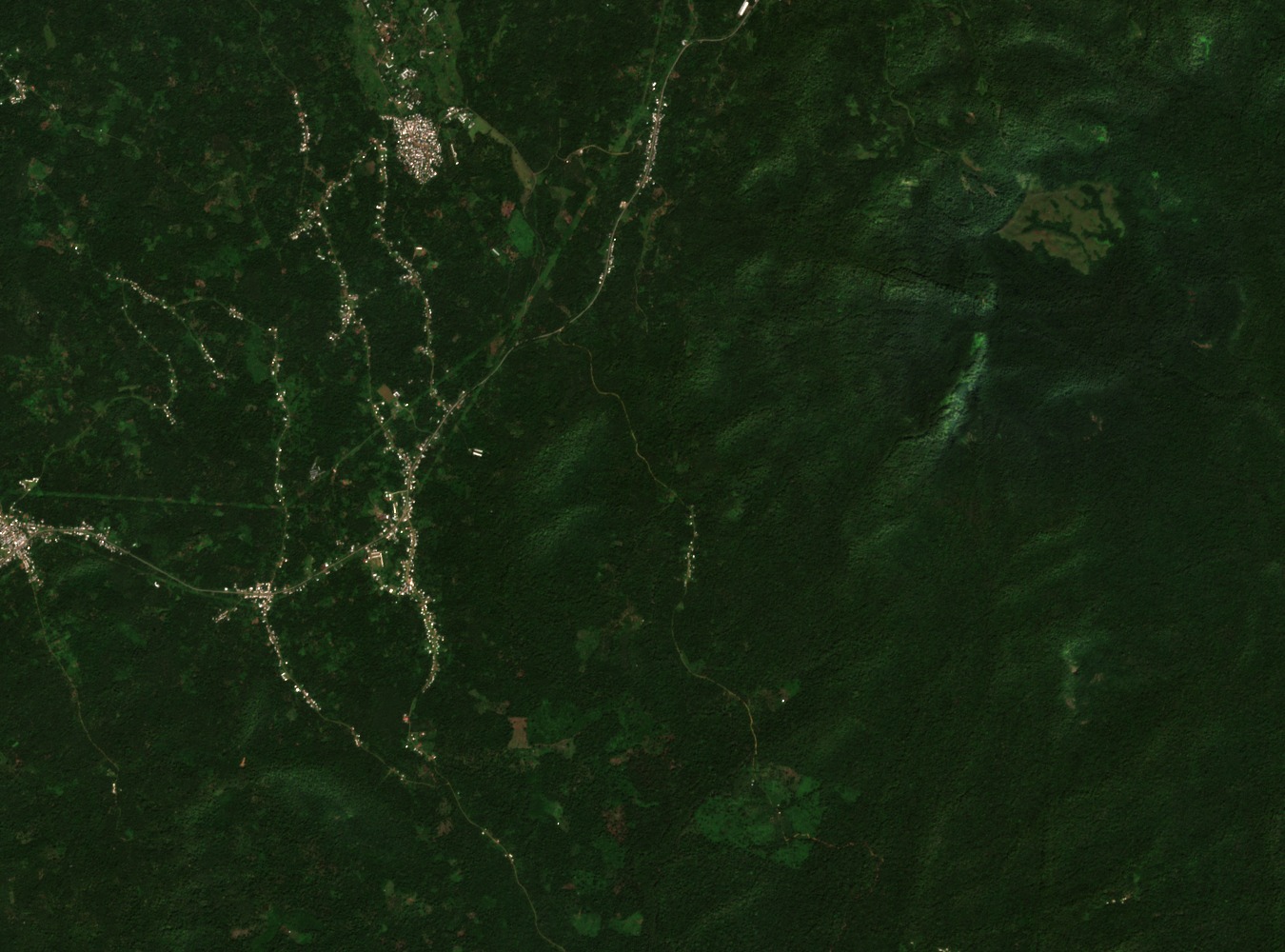
Precambrian Foundations Near Nkongsamba
The mountain stands on uplifted Precambrian granite and gneiss, among the older basement rocks of the Cameroonian highlands. The IUCN listed the summit elevation at 1,825 m in its survey of key forests for threatened birds, a figure that remains the principal cited reference. This geological base distinguishes Nlonako from the younger volcanic massifs that characterise much of the surrounding region.
Amphibian Inventory Published in 2005
Herrmann and colleagues published a systematic amphibian inventory in 2005, recording 93 species within the survey area, including two caecilians. The study identified Phrynobatrachus cricogaster and Astylosternus montanus only above 1,000 m within its plots. The inventory remains a primary reference for the documented herpetological diversity of the Nlonako massif.
Bird Conservation Records from the IUCN Survey
The IUCN's survey of key forests for threatened birds highlighted Nlonako's montane forest as habitat associated with Picathartes oreas and Malaconotus gladiator, two species of longstanding conservation concern. That report established Nlonako as a named locality in the regional ornithological record. ERuDeF has since described the broader Nlonako–Muanenguba landscape as a focus for forest conservation work.