
Elisha Mitchell and the Elevation Dispute
The mountain is named for Elisha Mitchell, a professor at the University of North Carolina who is believed to have ascended the summit in 1835 — a date recorded in the BGN entry. Mitchell measured the mountain's elevation during the nineteenth century, work that placed the peak in a broader scientific conversation about Appalachian heights. He returned to the mountain to revisit his measurements and died there in 1857.
Mitchell's grave on the summit connects the landscape's elevation history to a specific human story, one the North Carolina State Parks management plan identifies as integral to the park's character. The park was established in 1915, making it one of the earlier state park designations in North Carolina, and the grave has remained part of the summit landscape throughout its history.
The Black Mountains and High-Elevation Forest
The summit and its immediate surroundings support a Fraser fir forest, a vegetation type that the state parks documentation explicitly distinguishes from the lower Appalachian forest communities. High-elevation spruce–fir forest is described as scarce in North Carolina, occurring in a narrow band that the Black Mountains support more extensively than most of the state's other ranges.
This habitat is associated with rare species including moss spiders and certain moths, according to North Carolina State Parks habitat documentation. The reporting notes only the association between the habitat type and these species; it does not indicate observation likelihood or specific locations within the park.
Summit Geography
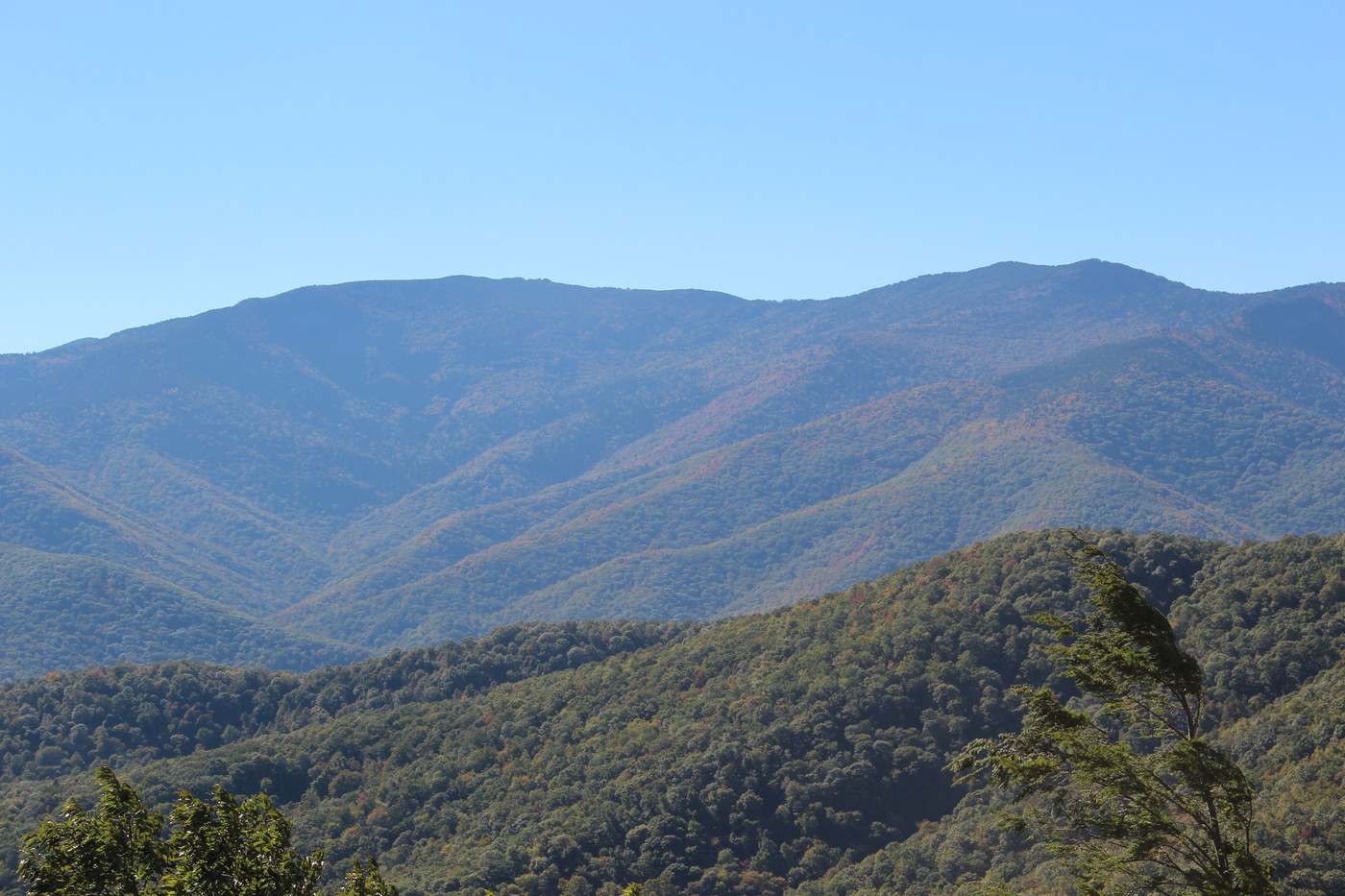
The Black Mountains form a compact range whose summits, including Mount Mitchell, sit above the general ridgeline of the surrounding Blue Ridge. The reporting distinguishes the summit Fraser fir zone from the broader Appalachian context, suggesting that the ecological character of the upper mountain is shaped more by elevation and exposure than by regional forest patterns. The U.S. BGN record class is Summit, situated in Yancey County, with the Blue Ridge designation reflecting the mountain's position within that physiographic province.