
Syenite, Granite, and Basalt Cap
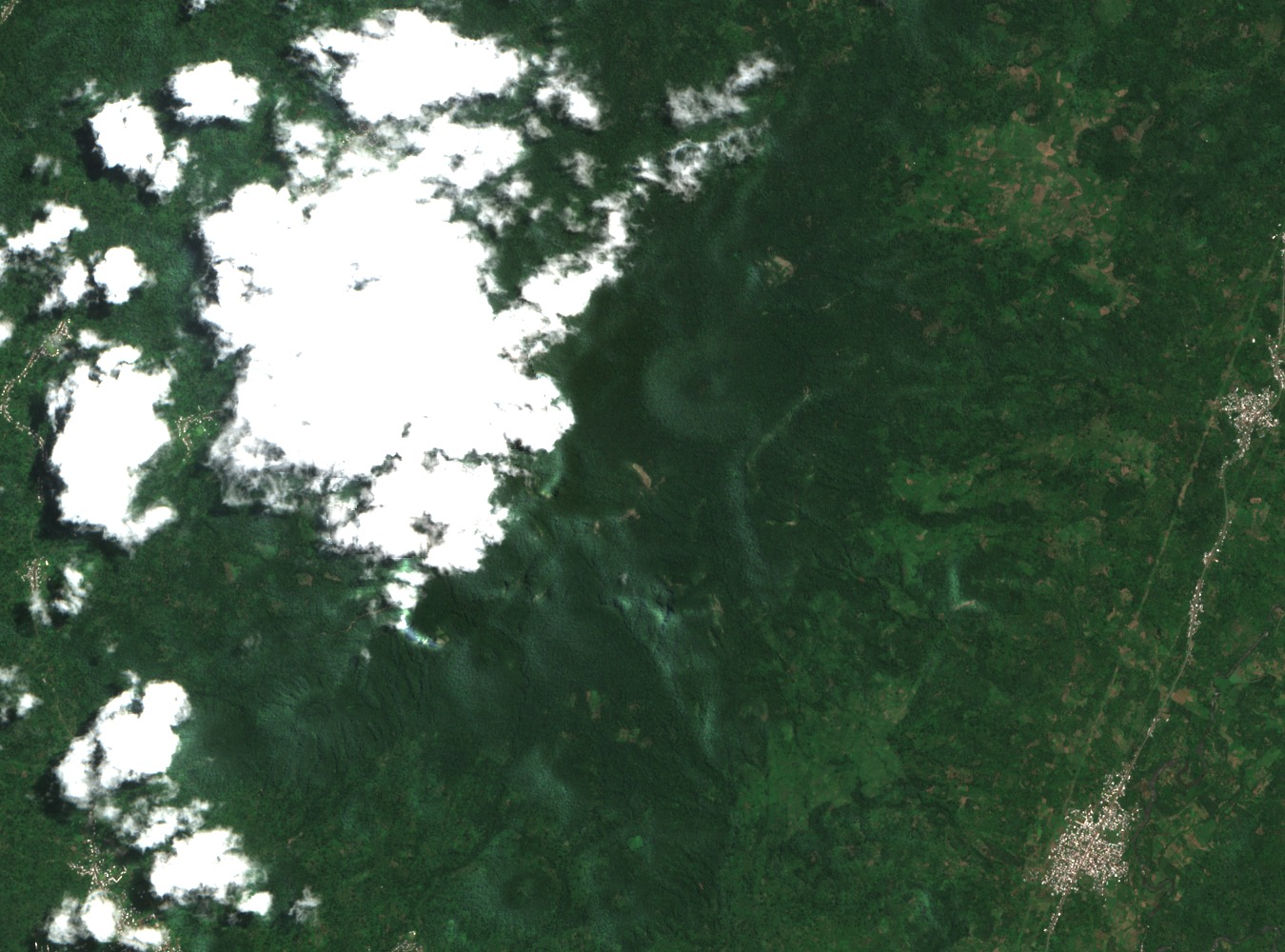
Kew-led geological documentation records a foundation of syenite and granite beneath a basalt cap, an association characteristic of several summits along the Cameroon Volcanic Line. This layered composition shapes the mountain's drainage and soil chemistry, influencing the cloud forest communities that establish across its middle and upper slopes.
Vepris zapfackii and the 2021 Cheek Enumeration
In 2021, Cheek et al. formally described Vepris zapfackii, a new tree species collected from Mount Kupe's cloud forest, publishing the description in Kew Bulletin. The same study contributed to a broader enumeration of endemic plants on the mountain. Separately, Sainge et al. reported in 2017 that botanical inventories of Kupe and Mwanenguba were among the more detailed available for Cameroon's mountain massifs.
Key Biodiversity Area and Forest Bird Surveys
Mount Kupe holds Key Biodiversity Area status, with the assessed area including small clearings at the rocky summit. The 2015 site assessment listed Kupeornis gilberti, the white-throated mountain babbler, among the forest bird assemblage documented at the site.