
Summit and Icefield
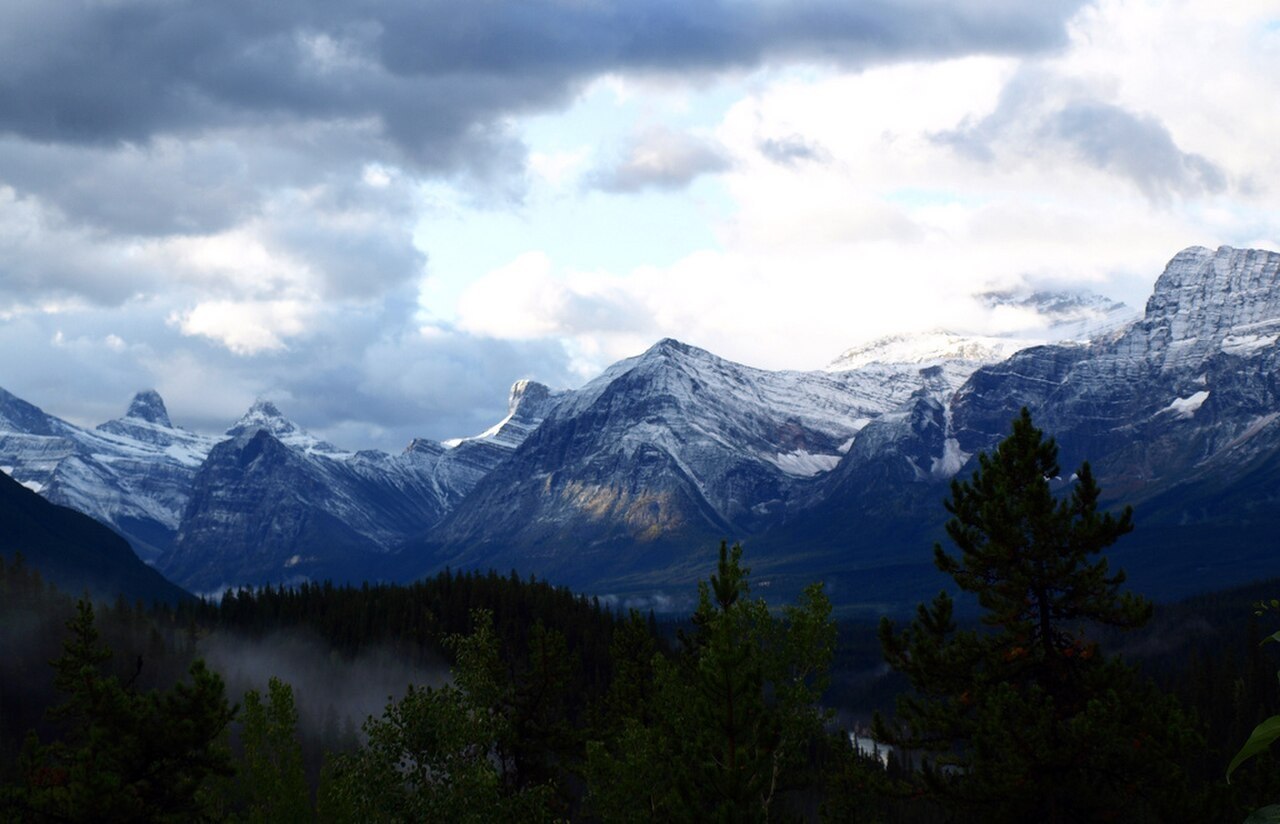
The summit sits on the divide separating the Athabasca and Columbia drainage systems. The Hooker Icefield occupies the high terrain below the peak, forming a distinct glacial feature that defines the landscape between the summit and the valleys extending to either side.
Athabasca Pass and the Fur-Trade Era
Parks Canada records that Athabasca Pass served Indigenous peoples for centuries before European contact. From 1811, it became a primary link connecting interior Canada to the Pacific coast through the fur-trade network, a role it held until the mid-1850s. The pass is now a National Historic Site.
Naming and Recorded Ascent
David Douglas named the mountain in 1827 for Sir William Jackson Hooker, a University of Glasgow botanist he greatly admired and the first Director of the Royal Botanical Gardens at Kew. The first documented ascent came in 1924, when Alfred Ostheimer, M.M. Strumia, and J. Monroe Thorington reached the summit with guide Conrad Kain.